Volume XXIX · Extremity, experimentation and a changing mainstream
Chapter 01
The year in heavy music
Heavy metal in 1998 was pulled in several directions at once. Nu metal and alternative metal were beginning to attract a massive younger audience, while death metal, progressive metal and black metal were becoming increasingly complex. Traditional heavy metal remained outside the mainstream, but important albums proved that its creative fire was nowhere near extinguished.
Death released its seventh and final studio album, The Sound of Perseverance. Chuck Schuldiner continued moving beyond the style he had helped create, emphasizing progressive structures, technical musicianship and philosophical lyrics. Guitarist Shannon Hamm, bassist Scott Clendenin and drummer Richard Christy formed a remarkable final Death lineup. “Spirit Crusher,” “Flesh and the Power It Holds,” “Scavenger of Human Sorrow” and the instrumental “Voice of the Soul” demonstrated how far Schuldiner’s writing had travelled since the primitive aggression of Scream Bloody Gore.
Canada’s Gorguts pushed technical death metal into even stranger territory with Obscura. Luc Lemay and guitarist Steeve Hurdle built the album around clashing chords, unpredictable rhythms and deliberately disorienting arrangements. Its influence was not immediate, but the record eventually became a foundation for dissonant death metal. It sounded less like a conventional collection of songs and more like a musical structure collapsing and rebuilding itself in real time.
Bruce Dickinson continued the comeback begun by Accident of Birth with the darker and heavier The Chemical Wedding. Working again with Roy Z and former Iron Maiden guitarist Adrian Smith, Dickinson drew inspiration from the poetry and artwork of William Blake. “King in Crimson,” “The Tower,” “Killing Floor” and the title track surrounded his voice with enormous riffs and apocalyptic atmosphere. The album is now regarded as one of the strongest releases of Dickinson’s career.
Two European bands helped redefine progressive extreme metal. Opeth’s My Arms, Your Hearse was a more focused and aggressive album than its lengthy predecessor. It also introduced drummer Martin Lopez, whose rhythmic versatility became central to the band’s developing sound. Meshuggah’s Chaosphere used mechanical grooves, unusual time signatures and tightly controlled repetition to create something cold, futuristic and punishing. Its influence would spread throughout progressive and extreme metal during the following decade.
At the other end of the commercial spectrum, Korn turned nu metal into a mainstream force with Follow the Leader. “Got the Life” and “Freak on a Leash” brought down-tuned guitars and Jonathan Davis’s wounded vocal style to MTV and radio. The album’s enormous success opened doors for numerous alternative-metal bands as the decade approached its end.
System of a Down’s self-titled debut offered a far less predictable version of alternative metal. Produced by Rick Rubin, the album mixed metal, punk, eccentric rhythmic changes, political commentary and elements of the members’ Armenian heritage. “Sugar,” “Suite-Pee,” “Spiders” and “P.L.U.C.K.” introduced a band that sounded unlike anyone else in the growing nu-metal movement.
Traditional and power metal continued beneath the mainstream. Iced Earth’s Something Wicked This Way Comes mixed Jon Schaffer’s thrash-influenced rhythm guitar with Matt Barlow’s dramatic vocals. Its closing trilogy introduced the Something Wicked saga that would become an important part of the band’s mythology.
Cradle of Filth expanded its gothic extreme-metal world with Cruelty and the Beast, a concept album inspired by Elizabeth Báthory and featuring narration by actress Ingrid Pitt. Incantation moved in the opposite direction on Diabolical Conquest, creating suffocating death metal built from cavernous production, crushing doom passages and relentless aggression.
Beyond the Top 10, Fear Factory released Obsolete, Blind Guardian delivered Nightfall in Middle-Earth, and Nile debuted with Amongst the Catacombs of Nephren-Ka. Soulfly, Rob Zombie, Amon Amarth, Helloween, Therion and Devin Townsend all contributed notable records. Metallica’s Garage Inc. revisited the band’s influences through covers of Diamond Head, Motörhead, Thin Lizzy, Black Sabbath and others. By the end of 1998, metal’s past remained important—but its future was becoming increasingly difficult to predict.
From the Pit
Blake’s Take
We’re getting into years when many of my most-listened-to albums do not necessarily make the Top 10. My favourite album from 1998 would be Metallica’s Garage Inc. Because it is a covers collection rather than an album of original studio material, it sits outside this ranking. Of the ten albums listed here, Bruce Dickinson’s The Chemical Wedding and System of a Down’s debut are the only two I really listened to. The Chemical Wedding delivered the traditional heavy-metal sound I love, while System of a Down introduced something completely different.
On the archive wall
Four moments that mattered
Filed under: final statements, strange debuts and new forms of extremity.
June 23, 1998
Death metal becomes dissonant
Gorguts releases Obscura, using clashing guitar chords and unpredictable rhythms to establish a radical new language for technical death metal.
June 30, 1998
System of a Down arrives
The band’s debut album mixes metal, punk, political commentary and Armenian influences into one of the era’s strangest and most original new sounds.
August 31, 1998
Death delivers its final statement
The Sound of Perseverance completes Chuck Schuldiner’s journey from death-metal pioneer to progressive-metal visionary.
September 1998
Bruce enters the world of Blake
The Chemical Wedding uses William Blake’s imagery as the foundation for the darkest and heaviest album of Bruce Dickinson’s solo career.
The essential records
Top 10 albums of 1998
The selected studio albums, ranked by historical importance, influence and lasting critical standing.
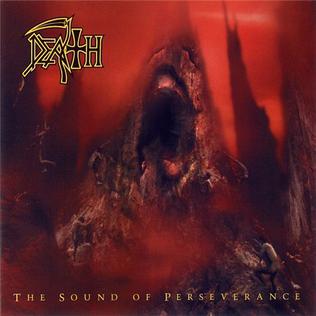
Death
The Sound of Perseverance
Chuck Schuldiner completes Death’s evolution with progressive structures, philosophical lyrics and breathtaking musicianship. It became the band’s final and most technically ambitious album.
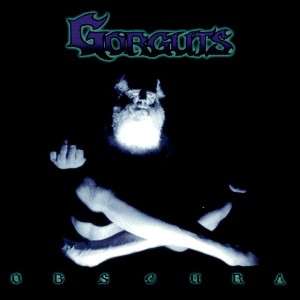
Gorguts
Obscura
Dissonant chords and fractured rhythms turn death metal inside out. Initially misunderstood, Obscura became one of technical death metal’s most influential recordings.
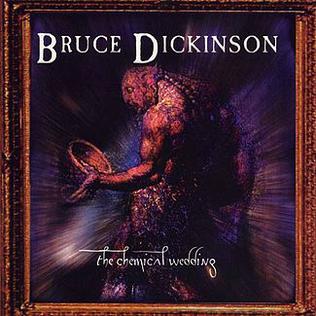
Bruce Dickinson
The Chemical Wedding
William Blake’s poetry inspires a dark and apocalyptic heavy-metal masterpiece. Roy Z and Adrian Smith provide enormous riffs while Dickinson delivers a commanding performance.
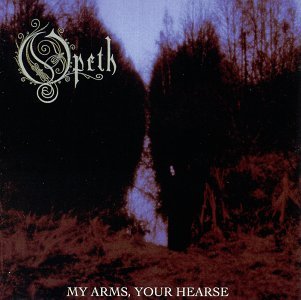
Opeth
My Arms, Your Hearse
Opeth creates a more focused combination of progressive rock, death metal and acoustic melancholy. The album also begins drummer Martin Lopez’s important period with the band.
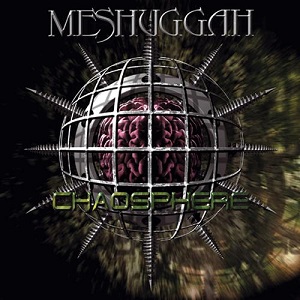
Meshuggah
Chaosphere
Mechanical grooves, complex rhythmic cycles and harsh futuristic production make Chaosphere a blueprint for generations of progressive and technical-metal bands.
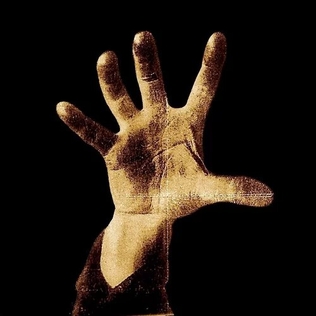
System of a Down
System of a Down
“Sugar,” “Suite-Pee” and “Spiders” introduce an eccentric mixture of metal, punk, politics and Armenian musical influences. Few debut albums have sounded this unpredictable.
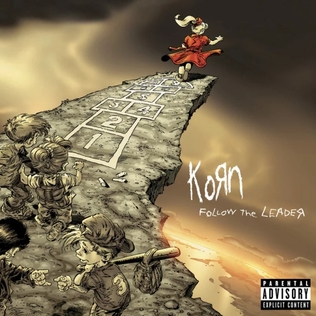
Korn
Follow the Leader
“Freak on a Leash” and “Got the Life” turn nu metal into a mainstream phenomenon. Korn’s third album changes the direction of popular heavy music.
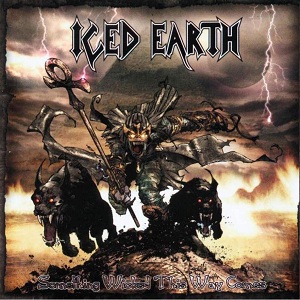
Iced Earth
Something Wicked This Way Comes
Jon Schaffer’s precise rhythm guitar and Matt Barlow’s dramatic voice drive one of Iced Earth’s defining albums. Its closing trilogy launches the Something Wicked saga.
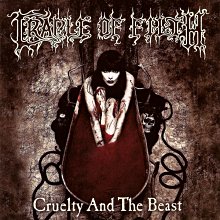
Cradle of Filth
Cruelty and the Beast
The legend of Elizabeth Báthory becomes a theatrical extreme-metal concept album filled with gothic keyboards, elaborate lyrics and narration from actress Ingrid Pitt.
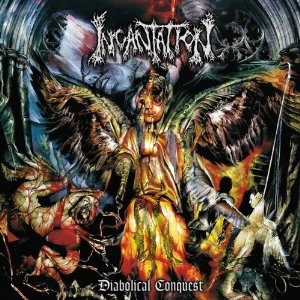
Incantation
Diabolical Conquest
Cavernous production, brutal death metal and suffocating doom passages create one of Incantation’s darkest and most oppressive albums.
Metallica — Garage Inc. · Blind Guardian — Nightfall in Middle-Earth · Fear Factory — Obsolete · Devin Townsend — Infinity · Nile — Amongst the Catacombs of Nephren-Ka · Soulfly — Soulfly · Rob Zombie — Hellbilly Deluxe · Amon Amarth — Once Sent from the Golden Hall · Helloween — Better Than Raw · Therion — Vovin · HammerFall — Legacy of Kings · Sepultura — Against · Monster Magnet — Powertrip · Clutch — The Elephant Riders
Three needles to drop
Defining songs of 1998
Korn
“Freak on a Leash”
Jonathan Davis’s emotional performance, Fieldy’s rattling bass and an unforgettable animated video help push nu metal into the mainstream.
System of a Down
“Sugar”
Serj Tankian moves from rapid-fire absurdity to explosive rage as System of a Down introduces its completely unpredictable musical personality.
Bruce Dickinson
“The Tower”
A crushing Roy Z riff and Bruce Dickinson’s soaring voice capture the dark, mystical atmosphere that defines The Chemical Wedding.
Reference shelf
Research notes
This chapter is original editorial writing cross-checked against artist discographies, release histories and retrospective critical assessments. The album ranking considers historical importance, musical influence and critical standing, while Blake’s Take preserves the personal side of the archive.
Next in the archive
1999: Metal approaches a new millennium
Dream Theater, Nevermore, Testament, Opeth and In Flames deliver ambitious records while Slipknot and Static-X introduce a more aggressive new sound to a rapidly changing metal audience.