Volume XXVIII · Black metal ascends and industrial metal marches
Chapter 01
The year in heavy music
Heavy metal entered 1997 without a single dominant sound. The genre’s mainstream profile was no longer what it had been during the previous decade, but the underground was thriving. Black metal, industrial metal, progressive metal and melodic death metal were all becoming more sophisticated, while veteran musicians began reconnecting with the traditional heavy-metal sound.
Norway produced two of the year’s most important records. Emperor’s Anthems to the Welkin at Dusk transformed symphonic black metal into something majestic, technically demanding and fiercely aggressive. Recorded at Grieghallen in Bergen, songs such as “Ye Entrancemperium,” “Thus Spake the Nightspirit” and “The Loss and Curse of Reverence” sounded like battles fought inside a frozen cathedral. The album helped prove that black metal could move beyond its notorious early history and survive through musical ambition.
Dimmu Borgir reached a much wider audience with Enthrone Darkness Triumphant. Their first Nuclear Blast release brought clearer production, English lyrics and enormous keyboards to the Norwegian sound. The more accessible approach divided black-metal purists, but it also helped carry the style toward an international audience.
Canada contributed one of the decade’s most intense albums. Devin Townsend assembled a permanent Strapping Young Lad lineup with Jed Simon, Byron Stroud and drummer Gene Hoglan for City. “Velvet Kevorkian,” “All Hail the New Flesh,” “Oh My Fucking God” and “Detox” combined industrial machinery, thrash velocity and layers of controlled chaos. It became a cult classic and established Townsend as one of metal’s most unpredictable creative voices.
Germany’s Rammstein achieved its international breakthrough with Sehnsucht. The album fused mechanical riffs, electronics, theatrical vocals and the severe rhythms of Neue Deutsche Härte. “Engel” and especially “Du Hast” proved that a German-language metal band could cross cultural and commercial borders without softening its identity. The band’s elaborate, fire-filled concerts would soon make the visual side of Rammstein nearly as famous as the music.
Traditional and progressive metal also showed renewed strength. Bruce Dickinson abandoned the alternative direction of Skunkworks and reunited with guitarist Adrian Smith on Accident of Birth. Working with guitarist and producer Roy Z, Dickinson rediscovered the soaring voice, dramatic melodies and heavy riffs that many listeners had been waiting to hear. The partnership helped set the stage for Dickinson and Smith’s eventual return to Iron Maiden.
Symphony X’s The Divine Wings of Tragedy received its wider European release and established the New Jersey band as a major progressive-metal force. Michael Romeo’s neoclassical guitar work, Russell Allen’s powerful voice and the twenty-minute title composition brought muscle and drama to a genre sometimes accused of valuing technique over songs.
Sweden’s In Flames continued the evolution of melodic death metal with Whoracle. “Jotun,” “Food for the Gods,” “The Hive” and “Episode 666” combined Iron Maiden-inspired harmonies with death-metal aggression and a growing sense of melody. The album further strengthened the Gothenburg sound that In Flames had helped establish.
Faith No More released the appropriately titled Album of the Year, featuring the dark atmosphere of “Collision,” the soaring “Ashes to Ashes” and the strange beauty of “Stripsearch.” It became the band’s final studio album before its 1998 breakup. Savatage continued its theatrical approach with the rock opera The Wake of Magellan, while Machine Head made its sound darker and more abrasive on The More Things Change….
The wider year included Devin Townsend’s Ocean Machine: Biomech, Deftones’ Around the Fur, Electric Wizard’s Come My Fanatics…, Fates Warning’s A Pleasant Shade of Gray, Gamma Ray’s Somewhere Out in Space, Megadeth’s Cryptic Writings and Metallica’s divisive Reload. Metal was scattered across numerous scenes, but in 1997 that variety was exactly what kept it moving forward.
From the Pit
Blake’s Take
My album of the year is Faith No More’s appropriately titled Album of the Year. It is still the record from 1997 that I return to most often. Bruce Dickinson also released one of my favourites of the year with Accident of Birth, an album that brought him back to the traditional heavy-metal sound that suits his voice so well. Like Load in 1996, Metallica’s Reload contains some songs that do not do much for me, but there are still several tracks on the album that I enjoy.
On the archive wall
Four moments that mattered
Filed under: reinvention, ambition and international breakthroughs.
February 11, 1997
Chaos finds a permanent lineup
Strapping Young Lad releases City, combining Devin Townsend’s massive production with Gene Hoglan’s drumming and a punishing industrial-metal attack.
May 1997
Black metal becomes majestic
Emperor releases Anthems to the Welkin at Dusk, replacing primitive rawness with technical precision, orchestral atmosphere and monumental songwriting.
June 3, 1997
Bruce Dickinson returns to metal
Accident of Birth reunites Dickinson with Adrian Smith and restores the soaring vocals, melodies and heavy guitars many fans had been missing.
August 22, 1997
Rammstein crosses the border
Sehnsucht and “Du Hast” carry German-language industrial metal around the world and begin Rammstein’s rise into an arena-filling phenomenon.
The essential records
Top 10 albums of 1997
The selected studio albums, ranked by historical importance, influence and lasting critical standing.
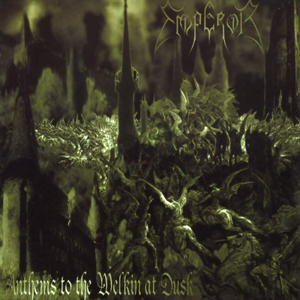
Emperor
Anthems to the Welkin at Dusk
Emperor balances ferocious speed with orchestral grandeur, mystical atmosphere and remarkably intricate arrangements. It remains one of symphonic black metal’s defining achievements.
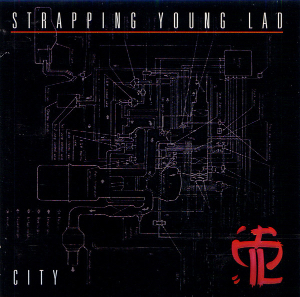
Strapping Young Lad
City
Industrial noise, thrash-metal speed and Gene Hoglan’s spectacular drumming collide inside Devin Townsend’s wall of sound. “Detox” and “All Hail the New Flesh” are controlled chaos.
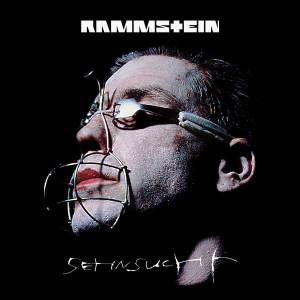
Rammstein
Sehnsucht
Mechanical riffs, electronic textures and Till Lindemann’s commanding delivery turn Rammstein into an international force. “Du Hast” becomes an industrial-metal anthem.
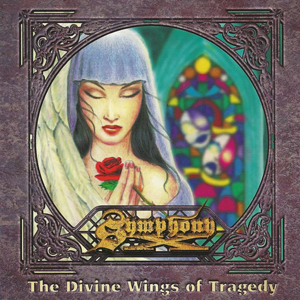
Symphony X
The Divine Wings of Tragedy
Michael Romeo’s neoclassical guitar and Russell Allen’s commanding voice give progressive metal genuine weight. The twenty-minute title track is an ambitious centrepiece.
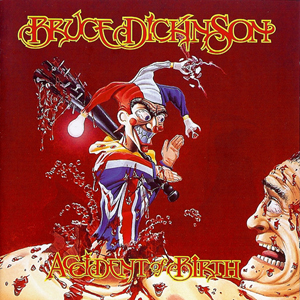
Bruce Dickinson
Accident of Birth
Dickinson reunites with Adrian Smith and producer Roy Z for a triumphant return to traditional heavy metal. “The Tower” and “The Road to Hell” rank among his finest solo songs.
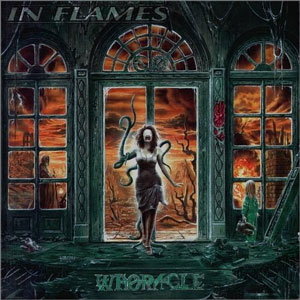
In Flames
Whoracle
Iron Maiden-style guitar harmonies meet death-metal aggression on “Jotun,” “The Hive” and “Episode 666.” In Flames further defines the classic Gothenburg sound.
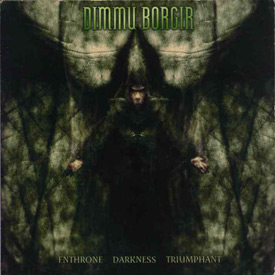
Dimmu Borgir
Enthrone Darkness Triumphant
Polished production, English lyrics and sweeping keyboards take symphonic black metal toward a much larger audience without sacrificing the band’s aggression.
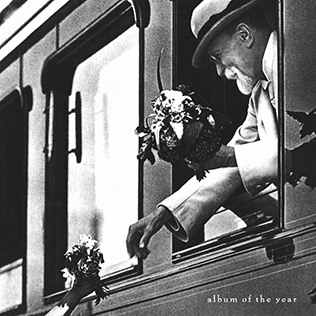
Faith No More
Album of the Year
Faith No More closes its original run with a dark, unpredictable record. “Ashes to Ashes,” “Last Cup of Sorrow” and “Stripsearch” reveal the album’s considerable depth.
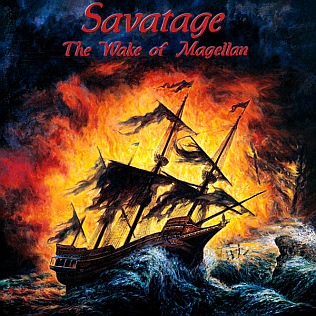
Savatage
The Wake of Magellan
Savatage combines progressive metal, theatrical storytelling and layered vocal arrangements in an ambitious rock opera inspired by several real-world events.
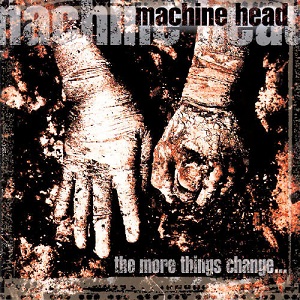
Machine Head
The More Things Change…
Machine Head follows its breakthrough debut with a darker and more abrasive album. “Ten Ton Hammer” and “Take My Scars” deliver enormous groove-metal riffs.
Devin Townsend — Ocean Machine: Biomech · Deftones — Around the Fur · Electric Wizard — Come My Fanatics… · Fates Warning — A Pleasant Shade of Gray · Gamma Ray — Somewhere Out in Space · Megadeth — Cryptic Writings · Metallica — Reload · Paradise Lost — One Second · Testament — Demonic · Overkill — From the Underground and Below · Dream Theater — Falling into Infinity · Judas Priest — Jugulator
Three needles to drop
Defining songs of 1997
Rammstein
“Du Hast”
A brutally simple guitar riff, electronic pulse and Till Lindemann’s unmistakable vocal transform a German-language song into an international metal anthem.
Emperor
“The Loss and Curse of Reverence”
Majestic keyboards and furious guitars capture the sophisticated aggression that made Anthems to the Welkin at Dusk a black-metal landmark.
Strapping Young Lad
“Detox”
Devin Townsend channels anxiety, melody and industrial-strength aggression into one of the most memorable and explosive songs of his career.
Reference shelf
Research notes
This chapter is original editorial writing cross-checked against artist discographies, release histories and retrospective critical assessments. The album order reflects historical importance, influence and critical standing, while Blake’s Take preserves the personal side of the archive.
Next in the archive
1998: Metal searches for its next identity
Bruce Dickinson, Death, Iced Earth, Opeth and Meshuggah deliver ambitious records while System of a Down arrives and Korn helps push nu metal into the mainstream.