Volume XXX · Metal faces the new millennium
Chapter 01
The year in heavy music
Heavy metal reached the end of the 1990s as a radically different genre from the one that had entered the decade. Thrash and traditional metal no longer controlled the mainstream, but both remained alive beneath the surface. Nu metal was becoming a commercial force while progressive, black and melodic death metal reached remarkable new levels of ambition.
Dream Theater delivered one of progressive metal’s defining concept albums with Metropolis Pt. 2: Scenes from a Memory. The story expanded upon “Metropolis—Part I” from 1992’s Images and Words, following a man named Nicholas as he uncovers memories of a past life involving love, betrayal and murder. The album was Dream Theater’s first with keyboardist Jordan Rudess, completing the lineup that would carry the band into the new millennium. “Overture 1928,” “Home,” “The Dance of Eternity” and “The Spirit Carries On” balanced technical skill with memorable storytelling.
Opeth’s Still Life was another ambitious concept album, but its story unfolded in a much darker world. Mikael Åkerfeldt combined progressive rock, acoustic passages and death metal while telling the tale of an exiled man returning to a religious community for the woman he loves. The album introduced bassist Martin Méndez and included future Opeth classics such as “The Moor,” “Godhead’s Lament,” “Face of Melinda” and “Serenity Painted Death.”
Norwegian black metal continued moving beyond its earliest limitations. Immortal’s At the Heart of Winter introduced longer compositions, clearer production and a powerful black-metal and thrash-metal combination. With Demonaz unable to continue playing guitar because of tendinitis, Abbath handled guitar, bass and vocals alongside drummer Horgh. The change produced one of Immortal’s most focused and influential albums.
Behemoth underwent an equally important transformation on Satanica. The Polish band moved away from its earlier traditional black-metal sound and embraced the muscular blackened death metal that would define its future. Songs such as “Decade of Therion” and “Chant for Eschaton 2000” announced the arrival of a heavier and more commanding Behemoth.
In America, Slipknot’s self-titled Roadrunner debut brought nine masked musicians from Iowa into the centre of heavy music. Producer Ross Robinson captured the band’s mixture of nu metal, death-metal aggression, hip-hop textures and additional percussion. “Wait and Bleed,” “Spit It Out,” “Surfacing” and “(sic)” made Slipknot one of the most talked-about new bands of the year, while its chaotic Ozzfest performances built a rapidly growing following.
Static-X offered a more mechanical take on the changing mainstream with Wisconsin Death Trip. Wayne Static called the sound “evil disco,” an appropriate description for the album’s combination of industrial programming, danceable rhythms and heavily down-tuned guitars. “Push It,” “I’m with Stupid” and “Bled for Days” became club and concert favourites.
Veteran thrash bands also demonstrated renewed strength. Testament assembled an extraordinary lineup for The Gathering, featuring Dave Lombardo on drums, Steve Di Giorgio on bass and James Murphy on lead guitar. “D.N.R.,” “Down for Life” and “Three Days in Darkness” combined thrash metal with death-metal weight, producing the band’s most aggressive album in years.
Nevermore explored psychological darkness on Dreaming Neon Black. Warrel Dane, Jeff Loomis and the band created a concept album about a man losing his grip on reality after the disappearance of someone close to him. Progressive structures, thrash riffs and Dane’s emotional performance made the record one of Nevermore’s defining achievements.
Sweden remained central to melodic death metal. In Flames released Colony, bringing a cleaner and more accessible production to the Gothenburg sound without abandoning its aggression. Arch Enemy’s Burning Bridges paired Michael and Christopher Amott’s twin-guitar melodies with Johan Liiva’s harsh vocals. It became Liiva’s final studio album with the band before the arrival of Angela Gossow.
Beyond the Top 10, Neurosis released Times of Grace, The Dillinger Escape Plan rewrote the rules of technical hardcore with Calculating Infinity, and Children of Bodom delivered Hatebreeder. Emperor, Dark Tranquillity, Amorphis, Cannibal Corpse, Agalloch, Rage Against the Machine and Gamma Ray added further variety. Metal entered the new millennium divided into countless scenes—but its creative possibilities had rarely seemed greater.
From the Pit
Blake’s Take
Dream Theater’s Metropolis Pt. 2: Scenes from a Memory is definitely my number-one album of 1999. It remains one of my favourite Dream Theater albums and is an easy choice for the top spot. Static-X’s Wisconsin Death Trip was also high on my listening list that year, especially with songs like “Push It” and “I’m with Stupid.” Testament’s The Gathering and Nevermore’s Dreaming Neon Black were other albums from 1999 that received plenty of time in my CD player.
On the archive wall
Four moments that mattered
Filed under: concept albums, masked arrivals and veteran resurrections.
June 8, 1999
Testament gathers an all-star lineup
Dave Lombardo, Steve Di Giorgio and James Murphy join Chuck Billy and Eric Peterson for the crushing thrash and death-metal attack of The Gathering.
June 29, 1999
Slipknot unleashes the nine
Nine masked musicians from Iowa turn Roadrunner’s release of Slipknot into one of the year’s most explosive heavy-metal debuts.
October 18, 1999
Opeth completes a dark tragedy
Still Life combines progressive rock, death metal and a tragic narrative while introducing bassist Martin Méndez.
October 26, 1999
Dream Theater revisits Metropolis
Scenes from a Memory expands a 1992 song into a complete concept album and introduces Jordan Rudess as the band’s keyboardist.
The essential records
Top 10 albums of 1999
The selected studio albums, ranked by historical importance, influence and lasting critical standing.
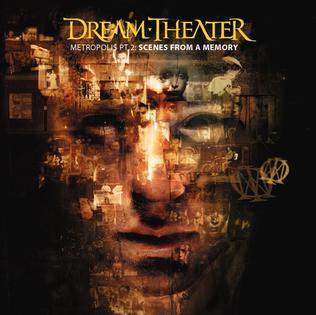
Dream Theater
Metropolis Pt. 2: Scenes from a Memory
Dream Theater combines virtuosity, memorable melodies and an elaborate murder mystery in one of progressive metal’s most celebrated concept albums.
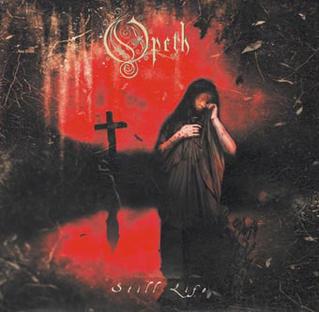
Opeth
Still Life
Progressive rock, acoustic beauty and death-metal brutality support a tragic story of religious persecution, forbidden love and revenge.
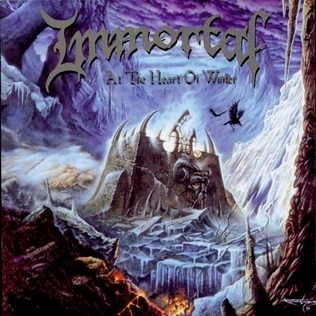
Immortal
At the Heart of Winter
Immortal combines black metal with powerful thrash riffs and longer compositions. Abbath and Horgh produce one of the band’s most focused and enduring albums.
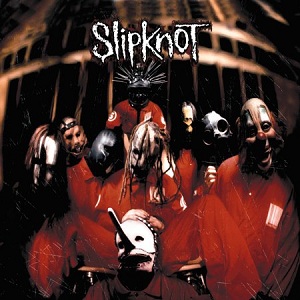
Slipknot
Slipknot
Nine masked musicians combine nu metal, death-metal aggression, hip-hop textures and chaotic percussion in a debut that changes the direction of mainstream metal.
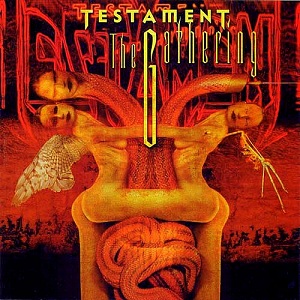
Testament
The Gathering
Dave Lombardo’s drumming and Steve Di Giorgio’s bass give Testament an exceptionally powerful rhythm section. The result is a vicious meeting of thrash and death metal.
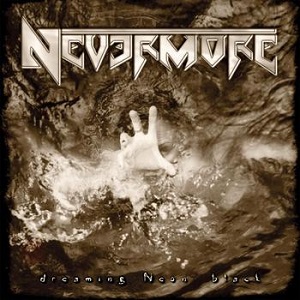
Nevermore
Dreaming Neon Black
Warrel Dane’s emotional voice and Jeff Loomis’s inventive guitar work carry a dark concept album about loss, faith and a descent into madness.
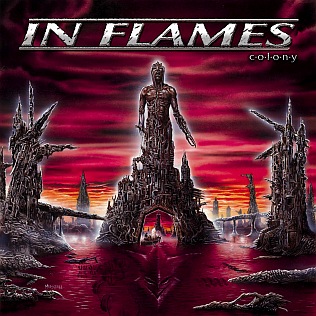
In Flames
Colony
“Embody the Invisible,” “Ordinary Story” and the title track give the Gothenburg sound a cleaner and more accessible edge without sacrificing its melodic aggression.
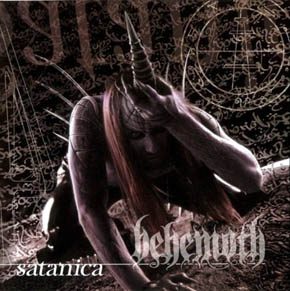
Behemoth
Satanica
Behemoth leaves much of its earlier traditional black-metal sound behind and establishes the muscular blackened death-metal identity that will define its future.
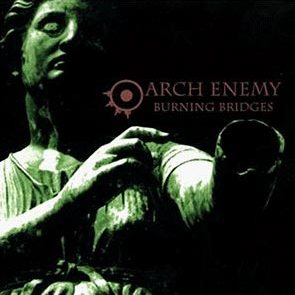
Arch Enemy
Burning Bridges
The Amott brothers deliver a collection of sharp twin-guitar melodies and heavy riffs on Johan Liiva’s final studio album with Arch Enemy.
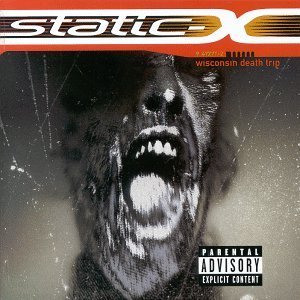
Static-X
Wisconsin Death Trip
Wayne Static’s “evil disco” combines industrial programming, danceable rhythms and down-tuned guitars. “Push It” becomes an alternative-metal anthem.
Neurosis — Times of Grace · The Dillinger Escape Plan — Calculating Infinity · Children of Bodom — Hatebreeder · Agalloch — Pale Folklore · Emperor — IX Equilibrium · Dark Tranquillity — Projector · Amorphis — Tuonela · Cannibal Corpse — Bloodthirst · Rage Against the Machine — The Battle of Los Angeles · Gamma Ray — Power Plant · Sodom — Code Red · Marduk — Panzer Division Marduk · Mr. Bungle — California
Three needles to drop
Defining songs of 1999
Slipknot
“Wait and Bleed”
A soaring chorus, concrete-heavy riffs and Corey Taylor’s mixture of melody and rage introduce Slipknot to the metal mainstream.
Dream Theater
“The Spirit Carries On”
John Petrucci’s emotional solo, James LaBrie’s restrained performance and a gospel choir give the Scenes from a Memory story its spiritual climax.
Testament
“D.N.R. (Do Not Resuscitate)”
Dave Lombardo’s drumming and Eric Peterson’s punishing riffs launch The Gathering with a declaration that Testament’s aggression is fully restored.
Reference shelf
Research notes
This chapter is original editorial writing cross-checked against artist discographies, release histories and retrospective critical assessments. The ranking considers historical importance, musical influence and critical standing, while Blake’s Take preserves the personal side of the archive.
Final chapter in the archive
2000: Heavy metal enters a new millennium
Iron Maiden and Rob Halford reclaim their traditional-metal thrones while Nevermore, Helloween, Cradle of Filth, Immolation and Lamb of God point toward the genre’s future.