Volume XXVII · Extremity meets the alternative
Chapter 01
The year in heavy music
Heavy metal in 1996 was a collection of parallel worlds. Alternative metal and industrial rock commanded mainstream attention, groove metal remained powerful, and extreme music developed at a remarkable pace beneath the surface. Bands in Los Angeles, Montreal, Oakland, Brazil and Sweden were barely speaking the same musical language, yet together they demonstrated just how far the meaning of “heavy” had expanded.
Tool’s Ænima became one of the year’s defining records. The arrival of bassist Justin Chancellor completed the lineup that would carry the band forward, while producer David Bottrill helped Tool develop a deeper, more spacious sound. “Stinkfist,” “Eulogy,” “Forty Six & 2,” “Ænema” and “Third Eye” combined crushing riffs, hypnotic rhythms, dark humour and philosophical ambition. Alternative metal had rarely sounded this intelligent or unsettling.
Neurosis travelled even further outside conventional song structures on Through Silver in Blood. Tribal percussion, electronics, samples and enormous waves of guitar turned hardcore and sludge into an immersive ritual. The title track and “Locust Star” helped define what would later be called post-metal, influencing an entire generation of bands that treated heaviness as atmosphere rather than simply speed or volume.
Canada’s Cryptopsy pursued the opposite kind of extremity on None So Vile. Lord Worm’s monstrous vocals, Flo Mounier’s astonishing drumming and the band’s violent technical precision made “Crown of Horns,” “Slit Your Guts” and “Phobophile” standards of brutal death metal. Sweden’s Hypocrisy became more melodic and atmospheric on Abducted, shifting Peter Tägtgren’s lyrics toward UFOs and alien encounters. “Roswell 47” became the band’s signature song.
Sweden also produced two progressive melodic death-metal landmarks. Opeth’s Morningrise stretched five compositions across more than an hour, contrasting acoustic beauty with growled vocals and long, constantly changing structures. The twenty-minute “Black Rose Immortal” remains the longest song in the band’s catalogue. In Flames’ The Jester Race was more concise, joining Iron Maiden-style guitar harmonies to death-metal vocals on “Moonshield,” “Artifacts of the Black Rain” and the title track. Along with At the Gates and Dark Tranquillity, In Flames completed the classic Gothenburg triangle.
Sepultura looked toward its homeland on Roots. Produced by Ross Robinson, the album combined down-tuned groove, Brazilian percussion and recordings made with the Xavante people. “Roots Bloody Roots,” “Attitude,” “Ratamahatta” and “Itsári” made heritage part of the music rather than decoration. The album became Sepultura’s final studio recording with Max Cavalera, whose departure at the end of the year closed the band’s classic era.
Pantera’s The Great Southern Trendkill reflected a band under severe internal pressure. Phil Anselmo recorded his vocals separately in New Orleans while Dimebag Darrell, Vinnie Paul and Rex Brown worked in Texas. That tension fuelled the title track, “Drag the Waters,” “Suicide Note” and “Floods,” producing Pantera’s bleakest and most abrasive album.
Type O Negative moved toward lush gothic romance on October Rust. “Love You to Death,” “Green Man,” “Red Water” and “My Girlfriend’s Girlfriend” surrounded Peter Steele’s voice with layered keyboards and melodic guitars. Marilyn Manson took industrial alternative metal into the centre of America’s culture wars with Antichrist Superstar. Produced by Trent Reznor, the confrontational concept album debuted at number three and turned “The Beautiful People” into an era-defining anthem.
Other major releases showed how broad the year had become: Rage Against the Machine’s Evil Empire, Metallica’s controversial Load, Corrosion of Conformity’s Wiseblood, Edge of Sanity’s Crimson, Cradle of Filth’s Dusk… and Her Embrace and Iced Earth’s The Dark Saga. Metal in 1996 could be technical, tribal, romantic, political or theatrical. Often, it was several of those things at once.
From the Pit
Blake’s Take
Death metal, extreme metal and alternative metal were leading the charge in 1996. Marilyn Manson’s Antichrist Superstar would be my most-listened-to album from this year. Metallica also released Load, which was widely hated by many longtime fans, but there are still several songs on it that I dig. Manowar, Bruce Dickinson, Anvil and Helloween also released albums I enjoyed.
On the archive wall
Four moments that mattered
Filed under: new identities and new extremes.
February 20, 1996
Two cultures reshape metal
Sepultura releases Roots in Europe as In Flames unveils The Jester Race, advancing Brazilian groove and the Gothenburg sound on the same day.
April 2, 1996
Post-metal takes form
Neurosis releases Through Silver in Blood, turning sludge, hardcore, electronics and tribal rhythm into a monumental new language.
September 17, 1996
Tool completes its transformation
Ænima introduces Justin Chancellor and expands alternative metal through progressive structures, satire and hypnotic atmosphere.
October 8, 1996
A culture war gets a soundtrack
Antichrist Superstar debuts at number three and turns Marilyn Manson into one of America’s most controversial rock figures.
The essential records
Top 10 albums of 1996
The selected studio albums, ranked by historical impact and critical standing.
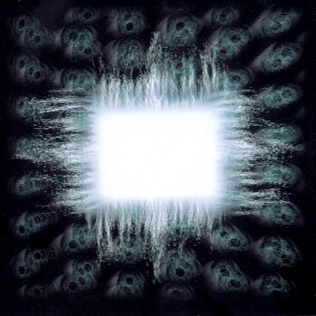
Tool
Ænima
Tool transforms alternative metal into something progressive, philosophical and deeply unsettling. “Forty Six & 2,” “Stinkfist” and the title track establish the band’s classic sound.
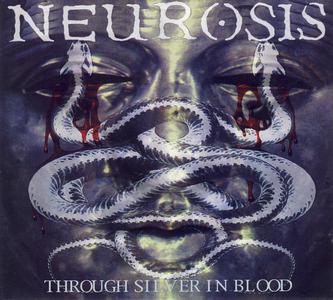
Neurosis
Through Silver in Blood
Tribal percussion, electronics and overwhelming guitar layers turn heaviness into an immersive ritual. Neurosis creates one of post-metal’s central foundations.
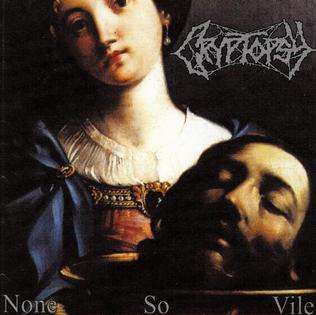
Cryptopsy
None So Vile
The Montreal band combines Lord Worm’s inhuman vocals with Flo Mounier’s spectacular drumming and chaotic precision. Brutal death metal rarely sounds this technically accomplished.
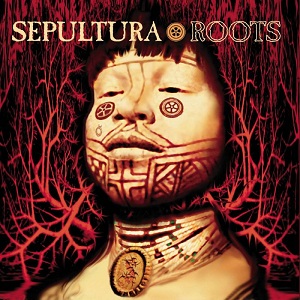
Sepultura
Roots
Brazilian percussion, indigenous collaboration and enormous down-tuned riffs produce Sepultura’s most adventurous album. “Roots Bloody Roots” becomes a global metal anthem.
Opeth
Morningrise
Five sprawling songs weave progressive rock, acoustic melancholy and death metal into an unmistakable identity. “Black Rose Immortal” stretches beyond twenty minutes.
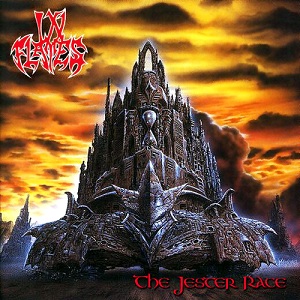
In Flames
The Jester Race
Twin-guitar melodies, acoustic passages and Anders Fridén’s first full-album vocal performance help define the classic Gothenburg melodic death-metal sound.
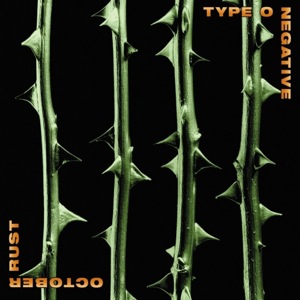
Type O Negative
October Rust
Peter Steele and Josh Silver replace much of the earlier ugliness with lush gothic romance. “Love You to Death” and “Green Man” give darkness uncommon warmth.
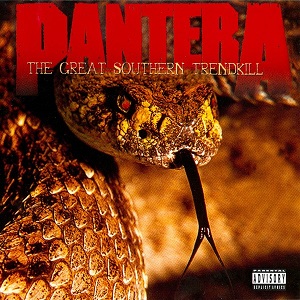
Pantera
The Great Southern Trendkill
Internal tension produces Pantera’s most abrasive and emotionally exposed album. “Drag the Waters” crushes while “Floods” contains one of Dimebag Darrell’s finest solos.
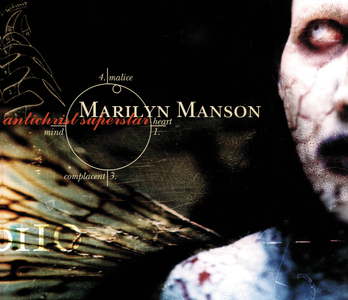
Marilyn Manson
Antichrist Superstar
Industrial metal, glam theatrics and Trent Reznor’s production power a confrontational concept album. “The Beautiful People” turns provocation into a massive hook.
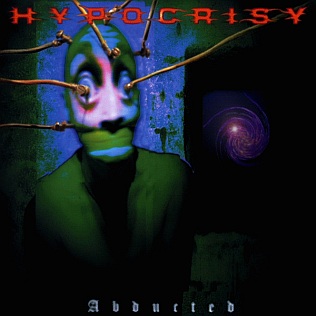
Hypocrisy
Abducted
Peter Tägtgren pushes Hypocrisy toward melody, atmosphere and extraterrestrial themes without losing its death-metal force. “Roswell 47” becomes a permanent live favourite.
Rage Against the Machine — Evil Empire · Edge of Sanity — Crimson · Metallica — Load · Corrosion of Conformity — Wiseblood · Iced Earth — The Dark Saga · Cradle of Filth — Dusk… and Her Embrace · Manowar — Louder Than Hell · Bruce Dickinson — Skunkworks · Helloween — The Time of the Oath · Anvil — Plugged in Permanent · Soundgarden — Down on the Upside · Nevermore — The Politics of Ecstasy
Three needles to drop
Defining songs of 1996
Tool
“Ænema”
Maynard James Keenan imagines Los Angeles washing into the ocean as Tool balances progressive atmosphere, venomous humour and a massive chorus.
Sepultura
“Roots Bloody Roots”
A simple, colossal riff and Igor Cavalera’s pounding rhythm turn pride in Brazilian identity into one of the decade’s defining metal anthems.
Marilyn Manson
“The Beautiful People”
Marching drums, industrial noise and a brutally efficient hook carry Marilyn Manson from the alternative underground into mainstream controversy.
Reference shelf
Research notes
This chapter is original editorial writing cross-checked against artist discographies, release histories, chart records and retrospective critical assessments. The album order reflects historical impact and critical standing, while Blake’s Take preserves the personal side of the archive.
Next in the archive
1997: Old borders continue to fall
Continue to the next chapter in heavy metal history.