Volume XXVI · New languages of heaviness
Chapter 01
The year in heavy music
By 1995, heavy metal had moved far beyond one dominant sound. The genre’s most important developments were taking place in different corners of the world: progressive death metal in Florida, melodic death metal in Gothenburg, polyrhythmic experimentation in Sweden, power metal in Germany and increasingly theatrical progressive metal in America. While alternative rock still controlled the mainstream, metal’s underground was quietly designing much of the next twenty years.
Death’s Symbolic stood at the centre of that evolution. Chuck Schuldiner continued moving away from the brutality of the band’s early work without losing its intensity. Alongside drummer Gene Hoglan, guitarist Bobby Koelble and bassist Kelly Conlon, Schuldiner combined complex arrangements, melodic guitar lines and thoughtful lyrics on “Symbolic,” “Zero Tolerance,” “Crystal Mountain” and “Perennial Quest.” The result became one of death metal’s most respected and accessible landmarks.
Sweden produced two albums that defined the Gothenburg melodic death-metal sound. At the Gates stripped its approach down on Slaughter of the Soul, creating a compact barrage of memorable riffs on “Blinded by Fear,” “Cold” and the title track. Its combination of aggression, melody and concise songwriting would deeply influence the metalcore movement. Dark Tranquillity’s The Gallery was more expansive and romantic, mixing twin-guitar harmonies, acoustic passages and Mikael Stanne’s first full-album performance as lead vocalist. “Punish My Heaven” and “Lethe” helped establish another enduring blueprint.
Meshuggah sounded as though it had arrived from a different decade on Destroy Erase Improve. “Future Breed Machine,” “Soul Burn” and “Vanished” used stuttering riffs, unusual time signatures and machine-like precision while still retaining traces of thrash. The record did not create an immediate commercial wave, but its influence steadily grew until Meshuggah’s rhythmic language became fundamental to progressive metal, mathcore and eventually djent.
Blind Guardian brought grandeur to power metal on Imaginations from the Other Side. Dense vocal arrangements, galloping guitars and ambitious storytelling made its title track, “Bright Eyes” and “The Script for My Requiem” career standards. Iced Earth returned after a four-year studio absence with Burnt Offerings, its darkest and heaviest album and the first to feature vocalist Matthew Barlow. The sixteen-minute “Dante’s Inferno” demonstrated the band’s growing epic ambitions.
Savatage’s Dead Winter Dead turned the Bosnian War into a dramatic rock opera. Its instrumental “Christmas Eve (Sarajevo 12/24)” would soon inspire producer Paul O’Neill and several Savatage members to form Trans-Siberian Orchestra. What began as one track on a metal concept album eventually became a seasonal institution.
Faith No More remained impossible to classify on King for a Day… Fool for a Lifetime. With guitarist Trey Spruance replacing Jim Martin, the band jumped from the hardcore attack of “Get Out” and “Digging the Grave” to the smooth soul of “Evidence,” the country melancholy of “Take This Bottle” and the epic “Just a Man.” Its restless genre changes captured the adventurous spirit of 1995 better than almost anything else.
White Zombie’s final studio album, Astro-Creep: 2000, fused groove metal, horror imagery and industrial programming into the band’s biggest success. “More Human than Human” became unavoidable on MTV. Trouble travelled in the opposite direction on Plastic Green Head, surrounding Eric Wagner’s distinctive voice and enormous doom riffs with psychedelic colour. Beyond this Top 10, Fear Factory’s Demanufacture, Down’s NOLA, Dissection’s Storm of the Light’s Bane, Paradise Lost’s Draconian Times, Opeth’s Orchid and Morbid Angel’s Domination made 1995 remarkably deep. The mainstream may have moved on, but metal was busy building its future.
From the Pit
Blake’s Take
Faith No More’s King for a Day… Fool for a Lifetime is definitely the album from 1995 that I still listen to the most. Trouble’s Plastic Green Head would be my second choice. Outside of those two records, not much else from this year remains on my regular listening radar.
On the archive wall
Four moments that mattered
Filed under: evolution and unexpected legacies.
March 21, 1995
Death becomes Symbolic
Chuck Schuldiner joins progressive sophistication, melody and death-metal power on the album that becomes Death’s most widely celebrated work.
May 12, 1995
Meshuggah bends time
Destroy Erase Improve introduces a rhythmic language that will reshape progressive and technical metal for decades.
October 24, 1995
Savatage plants a Christmas seed
Dead Winter Dead includes “Christmas Eve (Sarajevo 12/24),” the instrumental that leads directly to Trans-Siberian Orchestra.
November 14, 1995
Gothenburg changes metal
At the Gates releases Slaughter of the Soul, creating a melodic death-metal landmark whose riffs inspire a generation of bands.
The essential records
Top 10 albums of 1995
The selected studio albums, ranked by historical impact and critical standing.
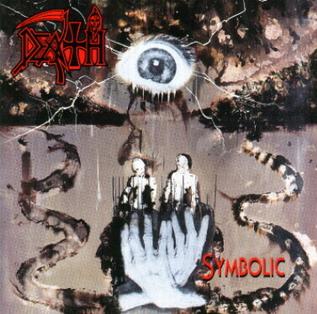
Death
Symbolic
Chuck Schuldiner balances death-metal intensity with progressive structures, melody and increasingly reflective lyrics. “Crystal Mountain” and the title track remain gateways into extreme metal.
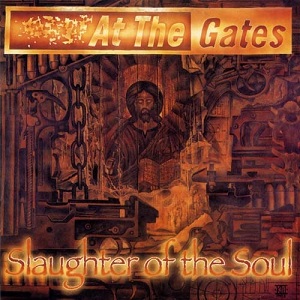
At the Gates
Slaughter of the Soul
At the Gates compresses melodic death metal into thirty-four minutes of precision and unforgettable riffs. Its influence stretches from Gothenburg directly into twenty-first-century metalcore.
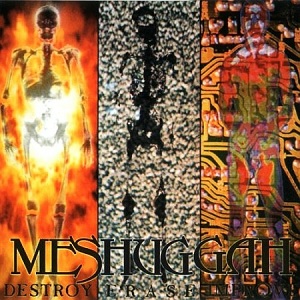
Meshuggah
Destroy Erase Improve
Polyrhythms, mechanical precision and Fredrik Thordendal’s alien leads establish Meshuggah’s distinctive language. “Future Breed Machine” sounds decades ahead of its release date.
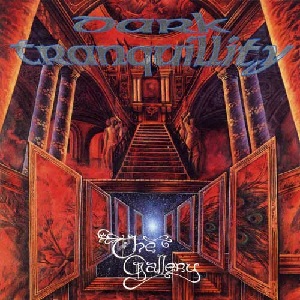
Dark Tranquillity
The Gallery
Twin-guitar harmonies, acoustic textures and Mikael Stanne’s vocals create a sophisticated Gothenburg classic. “Punish My Heaven” opens the album with spectacular force.
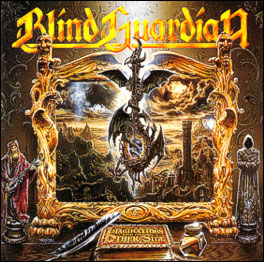
Blind Guardian
Imaginations from the Other Side
Blind Guardian combines power-metal speed with progressive arrangements, massive choirs and fantasy storytelling. The title track and “Bright Eyes” rank among the band’s finest songs.
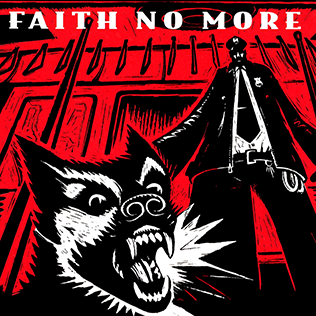
Faith No More
King for a Day… Fool for a Lifetime
Hardcore, soul, funk, country and cinematic rock collide without warning. Mike Patton’s astonishing range makes this Faith No More’s most unpredictable album.
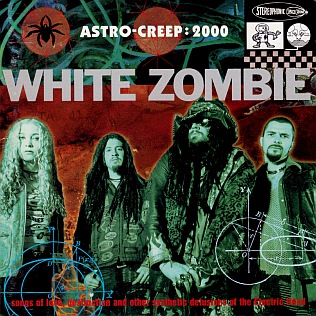
White Zombie
Astro-Creep: 2000
Industrial programming sharpens White Zombie’s groove-heavy horror show. “More Human than Human” becomes the band’s defining hit and an MTV-era metal anthem.
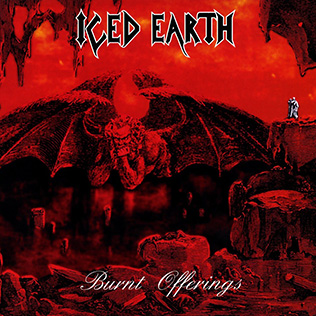
Iced Earth
Burnt Offerings
Matthew Barlow makes his commanding debut on Iced Earth’s darkest record. The immense “Dante’s Inferno” joins thrash-driven rhythm guitar to epic progressive storytelling.
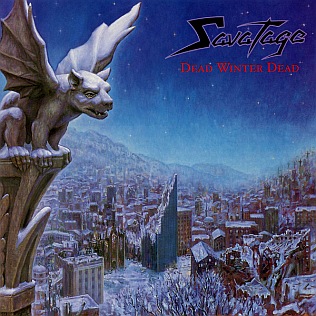
Savatage
Dead Winter Dead
Savatage turns the Bosnian War into a dramatic progressive-metal opera. “Christmas Eve (Sarajevo 12/24)” unexpectedly lays the foundation for Trans-Siberian Orchestra.
Trouble
Plastic Green Head
Trouble wraps enormous doom riffs in psychedelic effects and memorable melodies. Eric Wagner sounds unmistakable on “The Eye,” “Opium-Eater” and the title track.
Fear Factory — Demanufacture · Down — NOLA · Dissection — Storm of the Light’s Bane · Paradise Lost — Draconian Times · Opeth — Orchid · Morbid Angel — Domination · Alice in Chains — Alice in Chains · Gamma Ray — Land of the Free · Ulver — Bergtatt · My Dying Bride — The Angel and the Dark River · Deftones — Adrenaline · Ozzy Osbourne — Ozzmosis
Three needles to drop
Defining songs of 1995
Death
“Symbolic”
Chuck Schuldiner joins a soaring melodic riff, progressive precision and reflections on lost innocence in one of death metal’s most enduring songs.
At the Gates
“Blinded by Fear”
A brief burst of feedback gives way to a perfectly constructed melodic death-metal attack that helped reshape extreme music and metalcore.
Meshuggah
“Future Breed Machine”
Stuttering rhythms, mechanical riffs and Fredrik Thordendal’s disorienting lead work announce a new technical-metal vocabulary.
Reference shelf
Research notes
This chapter is original editorial writing cross-checked against artist discographies, release histories and retrospective critical assessments. The album order reflects historical impact and critical standing, while Blake’s Take preserves the personal side of the archive.
Next in the archive
1996: Tradition and experimentation collide
Tool, Sepultura and Pantera reshape alternative and groove metal while Cryptopsy, In Flames, Neurosis, Opeth and Hypocrisy push the underground toward increasingly adventurous extremes.