Volume X · The road to a new decade
Chapter 01
The year in heavy music
Heavy music reached the end of the seventies facing both triumph and transition. Several established bands released important records, but a faster and younger movement was developing underneath them. AC/DC, Van Halen and Scorpions demonstrated how large hard rock could become, while Motörhead and the emerging New Wave of British Heavy Metal pointed toward the speed, aggression and independence that would shape the next decade.
AC/DC reached a creative and commercial breakthrough with Highway to Hell. Producer Robert John “Mutt” Lange brought greater clarity to the band’s sound without weakening Malcolm Young’s rhythm guitar, Angus Young’s attack or Phil Rudd’s steady pulse. Bon Scott delivered some of his most memorable performances on “Girls Got Rhythm,” “Touch Too Much,” “Shot Down in Flames” and the title track. Scott’s death in February 1980 made it his final studio album with AC/DC, but even without that tragedy, Highway to Hell would remain one of hard rock’s defining records.
Motörhead had a remarkable year, releasing both Overkill and Bomber. The double-bass drum attack that opens “Overkill” immediately announced a new level of velocity. Lemmy, “Fast” Eddie Clarke and Phil “Philthy Animal” Taylor sounded too dirty for traditional metal, too heavy for punk and too fast for ordinary rock and roll. Bomber arrived later in the year with a rougher sound, reinforcing the trio’s reputation as one of Britain’s loudest and most relentless bands.
Van Halen proved its debut was no accident with Van Halen II. “Dance the Night Away,” “Somebody Get Me a Doctor” and “D.O.A.” preserved the first album’s energy while showing a more confident studio band. Scorpions entered a new phase with Lovedrive. Matthias Jabs joined the group, while former guitarist Michael Schenker made guest appearances. “Loving You Sunday Morning,” “Another Piece of Meat” and the title track moved the German band closer to the international breakthrough that would follow.
Thin Lizzy reunited Phil Lynott with guitarist Gary Moore for Black Rose: A Rock Legend. Moore’s playing brought a sharper edge to “Waiting for an Alibi” and “Do Anything You Want To,” while the closing title suite connected Irish history and mythology to the band’s twin-guitar sound. Moore departed during the tour, making the album a brief but powerful chapter in Thin Lizzy’s constantly changing story.
Judas Priest’s Hell Bent for Leather, the North American edition of the British album Killing Machine, arrived in 1979 with “The Green Manalishi” added to its track listing. The shorter songs and increasingly direct attack moved Priest closer to the sound of British Steel. The band’s leather-and-studs presentation was also becoming a defining visual language for heavy metal. Priest reinforced its growing reputation later in the year with the live album Unleashed in the East.
Canada continued to produce its own strain of melodic hard rock. Triumph achieved a commercial breakthrough with Just a Game, led by “Hold On” and “Lay It on the Line.” Vancouver’s Prism found major Canadian success with Armageddon, an ambitious album produced by Bruce Fairbairn. Both records became familiar sights and sounds on Canadian rock radio.
Led Zeppelin’s In Through the Out Door placed greater emphasis on John Paul Jones’ keyboards and Robert Plant’s songwriting. “In the Evening,” “Fool in the Rain” and “All My Love” revealed a band still exploring, although it would become Zeppelin’s final studio album recorded before John Bonham’s death. Meanwhile, Saxon released its debut, Def Leppard’s early recordings attracted record-company attention and Iron Maiden issued The Soundhouse Tapes. The seventies were ending, but heavy metal’s next great era was already underway.
From the Pit
Blake’s Take
Nothing released in 1979 matches AC/DC’s Highway to Hell for me. As Bon Scott’s final studio album with the band, it has taken on even greater significance, but the songs themselves are what continue to make it such a classic. Hell Bent for Leather was my real introduction to Judas Priest and became an important entry point into the band’s music for me. Led Zeppelin also delivered another great album with In Through the Out Door. On the Canadian side, Triumph and the lesser-known Prism received plenty of radio play here, and albums such as Just a Game and Armageddon remain an important part of my memories of Canadian rock.
On the archive wall
Four moments that mattered
Filed under: the end of the beginning.
July 1979
AC/DC reaches the highway
Highway to Hell brings AC/DC international success and becomes Bon Scott’s unforgettable final studio statement.
March 1979
Motörhead discovers overkill
Phil Taylor’s double-bass opening and the trio’s relentless attack help make “Overkill” a foundation for speed and thrash metal.
British underground
The new wave begins to rise
Early releases and activity from Iron Maiden, Saxon and Def Leppard announce that a younger British metal generation is ready.
Canadian airwaves
Triumph and Prism break through
Just a Game and Armageddon give Canadian rock radio two homegrown albums filled with memorable songs.
The essential records
Top 10 albums of 1979
The Metal Pit’s approved ranking.
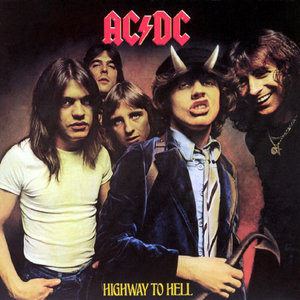
AC/DC
Highway to Hell
AC/DC’s first collaboration with producer Robert John “Mutt” Lange brought greater clarity without sacrificing the band’s raw power. The title track, “Girls Got Rhythm,” “Touch Too Much” and “Shot Down in Flames” make Bon Scott’s final studio album an undeniable hard-rock landmark.
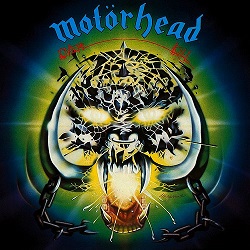
Motörhead
Overkill
The opening double-bass drums of the title track changed the possibilities of heavy music. “Stay Clean,” “No Class” and “Metropolis” maintain the assault, establishing Lemmy, Fast Eddie Clarke and Phil Taylor as one of rock’s most dangerous power trios.
Van Halen
Van Halen II
Van Halen’s second album confirms that its astonishing debut was no accident. “Dance the Night Away” supplies the hit, while “Somebody Get Me a Doctor,” “D.O.A.” and “Light Up the Sky” preserve the band’s swing, humour and guitar fire.
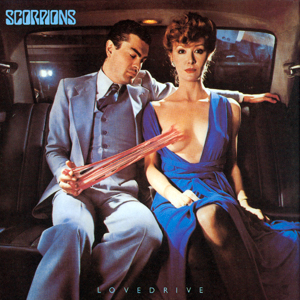
Scorpions
Lovedrive
With Matthias Jabs joining the band and Michael Schenker making guest appearances, Scorpions enter a more streamlined era. “Loving You Sunday Morning,” “Another Piece of Meat” and “Lovedrive” combine European melody with sharp, international hard-rock production.
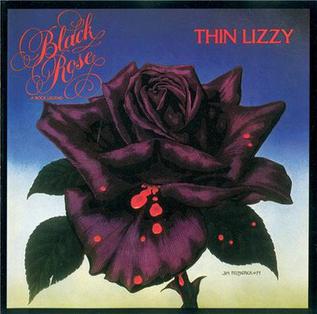
Thin Lizzy
Black Rose: A Rock Legend
Gary Moore brings extra fire to Thin Lizzy’s melodic guitar sound. “Waiting for an Alibi” and “Do Anything You Want To” strike immediately, while the ambitious title suite connects Phil Lynott’s Irish identity to the band’s hard-rock storytelling.
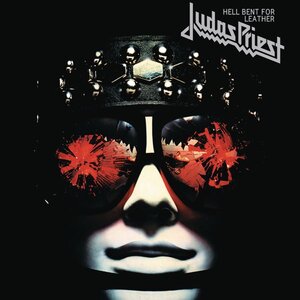
Judas Priest
Hell Bent for Leather
Released in Britain as Killing Machine in 1978, the North American edition arrived in 1979 with “The Green Manalishi” added. “Delivering the Goods,” “Running Wild” and the title track find Priest becoming tighter, more direct and visually inseparable from leather and studs.
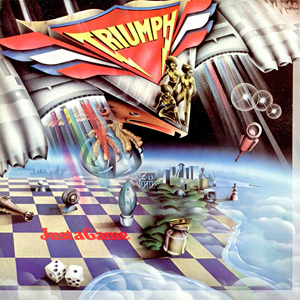
Triumph
Just a Game
Triumph’s commercial breakthrough balances Rik Emmett’s melodic voice and guitar work with Gil Moore’s heavier approach. “Lay It on the Line” became a lasting rock-radio favourite, while “Hold On” gave the Canadian trio its first major American hit.
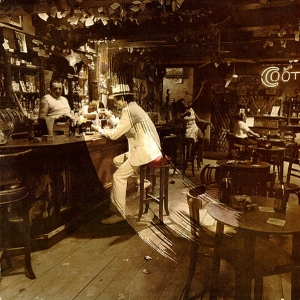
Led Zeppelin
In Through the Out Door
Led Zeppelin’s final studio album recorded before John Bonham’s death places greater emphasis on John Paul Jones’ keyboards. “In the Evening,” “Fool in the Rain” and “All My Love” reveal a band still exploring new directions after a decade together.
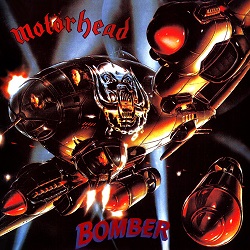
Motörhead
Bomber
Arriving only months after Overkill, Motörhead’s third album is rough, grimy and uncompromising. “Dead Men Tell No Tales,” “Stone Dead Forever” and the title track reinforce the trio’s refusal to slow down or clean up its sound.
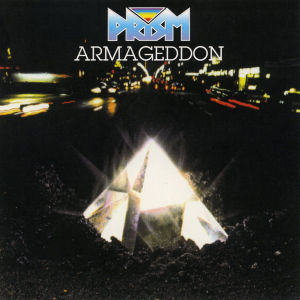
Prism
Armageddon
Produced by Bruce Fairbairn, Prism’s third album combines polished arena rock with a distinctly Canadian radio sensibility. “Night to Remember,” “Virginia” and the ambitious title track helped make it one of the band’s most successful releases.
Judas Priest — Unleashed in the East · Rainbow — Down to Earth · UFO — Strangers in the Night · Saxon — Saxon · Iron Maiden — The Soundhouse Tapes
Three needles to drop
Defining songs of 1979
AC/DC
“Highway to Hell”
Malcolm Young’s opening riff requires no introduction. Bon Scott turns the road into both a celebration and a warning, creating an anthem that became even more powerful after his death.
Motörhead
“Overkill”
Phil Taylor’s double-bass drums drive the song at a speed few rock bands had attempted. Lemmy and Fast Eddie Clarke pile distortion on top, helping lay the groundwork for speed and thrash metal.
Triumph
“Lay It on the Line”
Rik Emmett combines a memorable guitar figure with one of his strongest vocal performances. The result became a Canadian rock-radio staple and one of Triumph’s most enduring songs.
Reference shelf
Research notes
This chapter is original editorial writing cross-checked against official artist histories, discographies and archival release information. Hell Bent for Leather is filed according to its 1979 North American release under that title.
Next in the archive
1980: Heavy metal enters a new era
Iron Maiden arrives, Black Sabbath is reborn with Ronnie James Dio, Motörhead plays its ace and Ozzy Osbourne begins a remarkable solo career as metal charges into the 1980s.