Volume IX · A new guitar hero arrives
Chapter 01
The year in heavy music
If 1977 suggested that heavy music was preparing for a transformation, 1978 made that change impossible to ignore. Punk was challenging the excesses of established rock, disco dominated radio and several of hard rock’s original giants were beginning to sound uncertain. Then Van Halen arrived from Pasadena with a debut album that felt young, dangerous and completely alive. The record did not simply introduce another successful American hard-rock band—it introduced a guitarist whose technique, tone and imagination would influence the next generation of metal.
Van Halen placed Eddie Van Halen’s revolutionary guitar work inside songs that remained direct and memorable. “Eruption” became the obvious display of his two-handed tapping, control and speed, but the album’s real strength was how naturally those techniques served songs such as “Runnin’ with the Devil,” “Ain’t Talkin’ ’bout Love” and “Atomic Punk.” David Lee Roth supplied humour, swagger and theatrical personality, while Alex Van Halen and Michael Anthony gave the music its swing and foundation. The album provided the blueprint for much of the hard rock and metal that would dominate the following decade.
Rainbow’s Long Live Rock ’n’ Roll marked the final Rainbow studio appearance of Ronnie James Dio. Ritchie Blackmore’s guitar and Dio’s commanding fantasy-driven voice reached their peak on “Gates of Babylon,” “Kill the King” and the title track. The album balanced grand arrangements with direct hard rock and helped establish the dramatic vocabulary Dio would soon carry into Black Sabbath and eventually his own band.
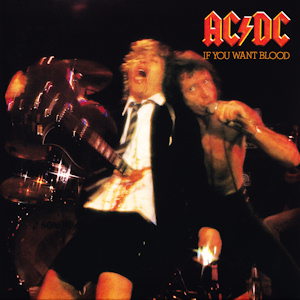
AC/DC released two essential documents of the Bon Scott years. Powerage was darker and less polished than the albums surrounding it, but “Riff Raff,” “Sin City,” “Down Payment Blues” and “Gone Shootin’” demonstrated the band’s remarkable command of rhythm and restraint. Later in the year, If You Want Blood You’ve Got It captured the group’s live force. The performances turned the stage into AC/DC’s natural habitat and established the album as one of hard rock’s enduring concert recordings.
Several other live releases helped define the year. Ted Nugent’s Double Live Gonzo! magnified his guitar attack and became a major part of his reputation as a concert performer. Thin Lizzy’s Live and Dangerous collected the band’s melodic twin-guitar sound, Phil Lynott’s streetwise charisma and a set filled with established classics. Whatever later arguments surrounded studio overdubs, the album communicated exactly what people wanted from a great live rock record: atmosphere, momentum and danger.
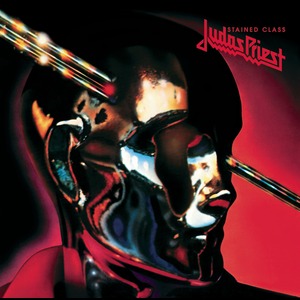
Judas Priest’s Stained Class was one of the year’s clearest steps toward modern heavy metal. “Exciter” anticipated speed metal, while “Beyond the Realms of Death” combined quiet reflection with enormous guitar drama. Priest released Killing Machine before the year ended, further tightening the songs and developing the leather-and-studs image that would soon become inseparable from metal itself.
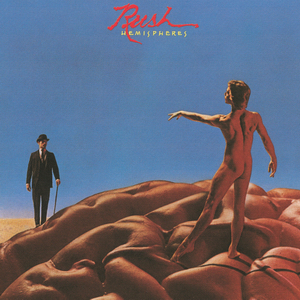
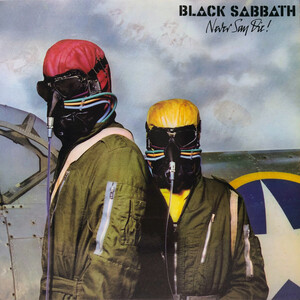
Elsewhere, Rush pursued progressive complexity on Hemispheres, Boston followed its massive debut with Don’t Look Back, and Black Sabbath closed its original Ozzy Osbourne era with Never Say Die!. Heavy rock was caught between its established past and an increasingly energetic future. Van Halen supplied the year’s great explosion, but throughout 1978 the sound of the coming eighties was becoming much easier to hear.
From the Pit
Blake’s Take
Looking back, 1978 does not feel like one of the strongest years for hard-rock albums outside the top three on this list. The emergence of Van Halen was enormous, while Rainbow and AC/DC both released great records. The album from 1978 that I still listen to most, however, is Ted Nugent’s Double Live Gonzo! It remains one of my favourite live albums of all time and is the record that gives this year its strongest personal connection for me.
On the archive wall
Four moments that mattered
Filed under: changing of the guard.
February 1978
Van Halen changes rock guitar
The band’s debut introduces Eddie Van Halen’s technique, David Lee Roth’s personality and a new model for American hard rock.
April 1978
Dio gives Rainbow a final epic
Long Live Rock ’n’ Roll closes Rainbow’s Ronnie James Dio era with fantasy, power and Ritchie Blackmore’s guitar authority.
February 1978
Priest accelerates metal
Stained Class sharpens heavy metal’s identity, with “Exciter” pointing directly toward the speed and aggression ahead.
Live and loud
The concert album thrives
AC/DC, Ted Nugent and Thin Lizzy release three live albums that capture the sweat, volume and spectacle of seventies hard rock.
The essential records
Top 10 albums of 1978
The Metal Pit’s selected ranking.
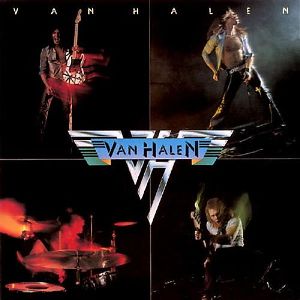
Van Halen
Van Halen
One of hard rock’s great debut albums introduced Eddie Van Halen’s revolutionary guitar work and David Lee Roth’s larger-than-life personality. “Eruption,” “Runnin’ with the Devil,” “Jamie’s Cryin’” and “Ain’t Talkin’ ’bout Love” provided a blueprint for the coming decade.
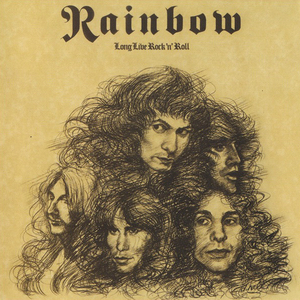
Rainbow
Long Live Rock ’n’ Roll
Ronnie James Dio’s final Rainbow studio album combines fantasy, drama and muscular hard rock. “Kill the King” brings speed, “Gates of Babylon” supplies the epic atmosphere and the title track delivers an enduring celebration of rock itself.
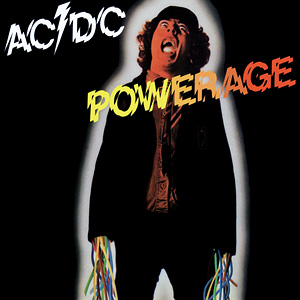
AC/DC
Powerage
Darker and more restrained than its reputation might suggest, Powerage contains some of the Bon Scott era’s strongest deep cuts. “Riff Raff,” “Sin City,” “Down Payment Blues” and “Gone Shootin’” demonstrate the remarkable power of the band’s rhythm and economy.
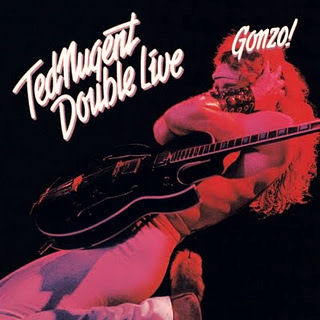
Ted Nugent
Double Live Gonzo!
Nugent’s double live album captures the volume and wild energy of his seventies concerts. The guitar sound is huge, the crowd is constantly involved and performances of “Stranglehold,” “Cat Scratch Fever” and “Great White Buffalo” turn the record into a full-scale hard-rock event.
Judas Priest
Stained Class
Priest removes more of metal’s blues foundation and replaces it with speed, precision and cold metallic power. “Exciter” points toward speed metal, while “Beyond the Realms of Death” gives Rob Halford and the twin guitars room for both emotion and drama.
Rush
Hemispheres
Rush pushes its progressive ambitions to their furthest point with the side-long title suite. “La Villa Strangiato” provides an instrumental showcase, while “The Trees” combines a memorable arrangement with the trio’s increasingly precise musicianship.
AC/DC
If You Want Blood You’ve Got It
AC/DC’s first live album captures the Bon Scott lineup in its natural environment. The band attacks “Riff Raff,” “The Jack,” “Whole Lotta Rosie” and “Let There Be Rock” with an intensity that makes the record one of hard rock’s essential concert documents.
Black Sabbath
Never Say Die!
The final Sabbath album with Ozzy Osbourne until 2013 is uneven but adventurous. The title track and “Hard Road” provide immediate hooks, while the jazz-influenced “Air Dance” shows a band still willing to explore beyond its familiar sound.
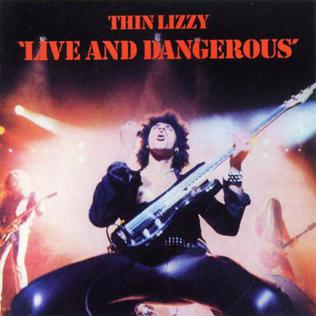
Thin Lizzy
Live and Dangerous
Phil Lynott’s charisma and Thin Lizzy’s twin-guitar melodies are gathered into a nearly perfect concert sequence. “Jailbreak,” “Emerald,” “The Boys Are Back in Town” and “Still in Love with You” give the record the feeling of one long victory lap.
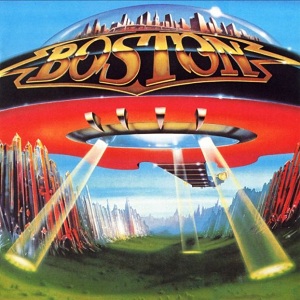
Boston
Don’t Look Back
Boston follows its enormous debut with another highly polished collection of layered guitars, harmonies and arena-sized melodies. The title track and “A Man I’ll Never Be” demonstrate Tom Scholz’s meticulous production and Brad Delp’s exceptional voice.
Judas Priest — Killing Machine · Scorpions — Tokyo Tapes · The Cars — The Cars · Whitesnake — Trouble
Three needles to drop
Defining songs of 1978
Van Halen
“Eruption”
In less than two minutes, Eddie Van Halen introduced a new guitar vocabulary. The tapping, control, tone and speed inspired countless players and helped make the electric guitar feel dangerous again.
Rainbow
“Long Live Rock ’n’ Roll”
Ritchie Blackmore’s commanding riff and Ronnie James Dio’s celebratory vocal turn the title track into an anthem. It remains one of the purest declarations of loyalty to rock music ever recorded.
AC/DC
“Riff Raff”
A tense guitar introduction suddenly gives way to one of AC/DC’s most ferocious grooves. Bon Scott sounds fearless, Phil Rudd drives without wasting a beat and Angus Young tears through the song with controlled chaos.
Reference shelf
Research notes
This chapter is original editorial writing cross-checked against official artist discographies and archival release information. Album and song rankings reflect The Metal Pit’s selected 1978 list.
Next in the archive
1979: A new decade waits in the wings
AC/DC reaches a career peak with Bon Scott, Motörhead delivers two landmark records, and Judas Priest and Scorpions help point heavy metal toward the explosive decade ahead.