Volume XI · Metal enters a new decade
Chapter 01
The year in heavy music
Heavy metal entered the eighties with an extraordinary collection of landmark records. Established bands found new voices, former frontmen launched fresh careers and the New Wave of British Heavy Metal moved from clubs and independent singles into the album charts. The year brought together Black Sabbath, Judas Priest and Motörhead with younger acts such as Iron Maiden and Saxon. At the same time, AC/DC recovered from tragedy, Ozzy Osbourne began again and heavy music became an increasingly international force.
Black Sabbath faced the difficult task of continuing without Ozzy Osbourne. Ronnie James Dio did not attempt to imitate his predecessor. His soaring voice, fantasy imagery and disciplined approach gave Tony Iommi, Geezer Butler and Bill Ward a new creative direction. Produced by Martin Birch, Heaven and Hell sounded revitalized from the opening charge of “Neon Knights.” “Children of the Sea,” “Die Young” and the monumental title track established the Dio era as a genuine new chapter rather than a replacement version of the original band.
Judas Priest stripped its music to polished steel on British Steel. Recorded with producer Tom Allom and featuring new drummer Dave Holland, the album replaced some of the complexity of earlier Priest records with shorter, more direct songs. “Rapid Fire” and “Steeler” preserved the speed, while “Breaking the Law,” “Living After Midnight” and “Metal Gods” gave the band anthems capable of reaching far beyond its existing audience. Priest’s leather-and-studs appearance also became one of heavy metal’s defining visual statements.
Motörhead reached its definitive form on Ace of Spades. Producer Vic Maile captured Lemmy, Fast Eddie Clarke and Phil Taylor with enough clarity to expose the precision beneath their overwhelming volume. The title track became the permanent Motörhead anthem, but “Love Me Like a Reptile,” “Fast and Loose” and “The Chase Is Better Than the Catch” made the entire album feel relentless. Its combination of metal weight, punk speed and rock-and-roll attitude would influence thrash, speed metal and generations of louder bands.
Ozzy Osbourne’s future had appeared uncertain after leaving Black Sabbath, but Blizzard of Ozz launched an enormously successful solo career. Guitarist Randy Rhoads combined classical technique with memorable heavy-metal songwriting, particularly on “Crazy Train,” “Mr. Crowley” and “Revelation (Mother Earth).” Bassist Bob Daisley, drummer Lee Kerslake and keyboardist Don Airey completed a group capable of balancing Ozzy’s unmistakable personality with a younger and more technically ambitious sound.
Iron Maiden became the leading voice of the New Wave of British Heavy Metal with its self-titled debut. Steve Harris’ galloping bass, Paul Di’Anno’s rough street-level delivery and the guitars of Dave Murray and Dennis Stratton gave “Prowler,” “Running Free” and “Phantom of the Opera” an urgent identity. Saxon also broke through with Wheels of Steel and followed it later in the year with Strong Arm of the Law. Alongside albums from Diamond Head, Angel Witch and Def Leppard, these records demonstrated that British metal’s next generation had arrived.
AC/DC responded to Bon Scott’s death by recruiting Brian Johnson and recording Back in Black with producer Mutt Lange. “Hells Bells,” “Shoot to Thrill,” the title track and “You Shook Me All Night Long” transformed grief into one of rock’s most successful comebacks. Rush became more concise on Permanent Waves, Van Halen explored a heavier sound on Women and Children First, and Scorpions continued its international rise with Animal Magnetism. By the end of 1980, heavy metal was no longer one narrow road—it was becoming an entire world.
From the Pit
Blake’s Take
Looking back at 1980, Iron Maiden’s debut would be my personal album of the year. Maiden was the band I got into in 1982, and discovering them encouraged me to look deeper into this type of music. Ronnie James Dio’s performance on Black Sabbath’s Heaven and Hell places that album a very close second for me, while Blizzard of Ozz, featuring the incredible Randy Rhoads, has always been another favourite from this year. I still return to most of the albums on this list, although Rush and Scorpions receive less time from me. I also do not revisit Back in Black as often, largely because I listened to it so much in 1980 that the entire album became permanently burned into my memory.
On the archive wall
Four moments that mattered
Filed under: the great expansion.
April 1980
Dio resurrects Black Sabbath
Heaven and Hell proves that Sabbath can survive a change of singer and gives the band one of its greatest albums.
April 1980
Iron Maiden charges forward
The East London band’s debut becomes a defining release in the New Wave of British Heavy Metal.
September 1980
Ozzy boards the Crazy Train
Blizzard of Ozz launches Ozzy’s solo career and introduces a worldwide audience to Randy Rhoads.
July 1980
AC/DC returns from tragedy
Brian Johnson joins the band for Back in Black, one of rock history’s most remarkable comebacks.
The essential records
Top 10 albums of 1980
The Metal Pit’s approved ranking.
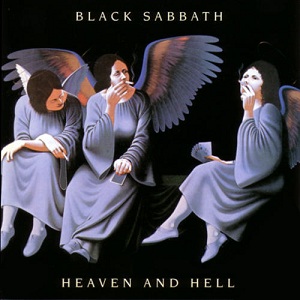
Black Sabbath
Heaven and Hell
Ronnie James Dio’s soaring voice gives Black Sabbath an entirely new identity without sacrificing Tony Iommi’s riffs or Geezer Butler’s weight. “Neon Knights,” “Children of the Sea,” “Die Young” and the immense title track make this one of metal’s greatest reinventions.
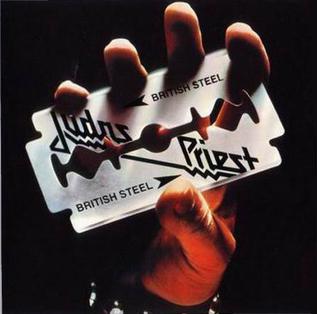
Judas Priest
British Steel
Priest condenses heavy metal into sharp riffs, memorable choruses and a polished metallic attack. “Breaking the Law” and “Living After Midnight” became enduring hits, while “Rapid Fire,” “Grinder,” “Metal Gods” and “Steeler” ensured the album never lost its edge.
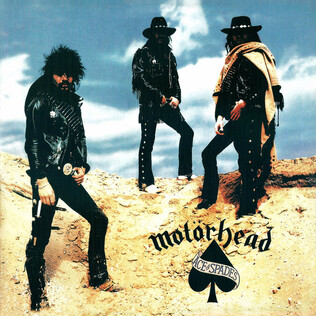
Motörhead
Ace of Spades
Motörhead’s definitive studio album captures Lemmy, Fast Eddie Clarke and Phil Taylor with clarity but without restraint. The title track is immortal, and the rest of the record maintains the same combination of speed, distortion and outlaw rock-and-roll attitude.
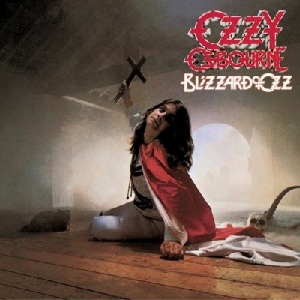
Ozzy Osbourne
Blizzard of Ozz
Ozzy begins his solo career with an album that introduces Randy Rhoads’ remarkable guitar playing. “I Don’t Know,” “Crazy Train,” “Mr. Crowley” and “Revelation (Mother Earth)” combine memorable songwriting with Rhoads’ classical precision and imagination.
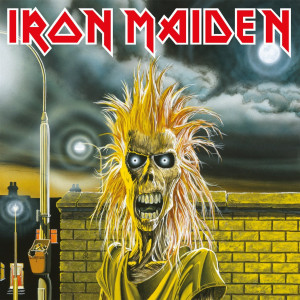
Iron Maiden
Iron Maiden
Maiden’s debut combines Steve Harris’ ambitious writing with Paul Di’Anno’s rough-edged voice and the guitars of Dave Murray and Dennis Stratton. “Prowler,” “Running Free,” “Phantom of the Opera” and the title track announce a band destined to reshape metal.
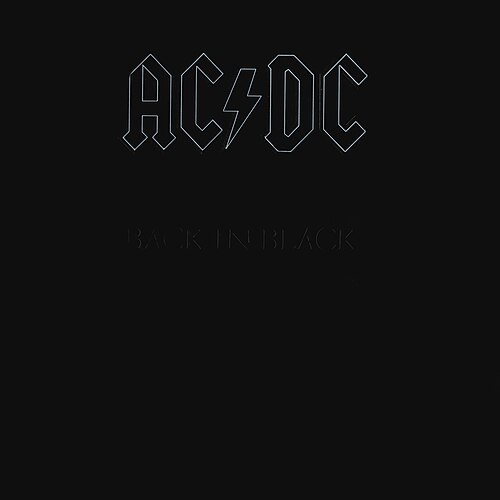
AC/DC
Back in Black
AC/DC responds to Bon Scott’s death with a disciplined and enormously powerful tribute. Brian Johnson establishes his own voice immediately, while “Hells Bells,” “Shoot to Thrill,” “Back in Black” and “You Shook Me All Night Long” become permanent rock standards.
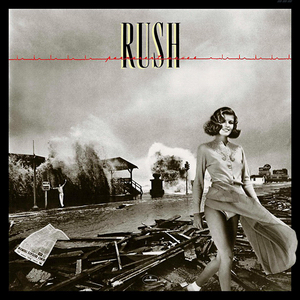
Rush
Permanent Waves
Rush begins moving away from side-long concepts without abandoning progressive musicianship. “The Spirit of Radio” and “Freewill” make the band more accessible, while “Jacob’s Ladder” and “Natural Science” preserve its taste for elaborate arrangements.
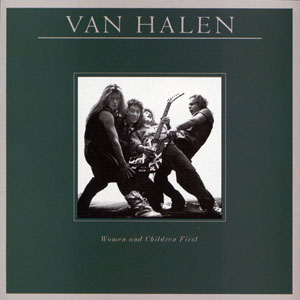
Van Halen
Women and Children First
Van Halen’s third album is darker, heavier and less polished than its predecessors. “And the Cradle Will Rock,” “Everybody Wants Some!!” and “Romeo Delight” capture a band whose instrumental skill never interferes with its sense of fun.
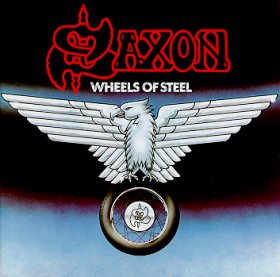
Saxon
Wheels of Steel
Saxon transforms the energy of the British metal underground into direct, working-class anthems. “Motorcycle Man,” “747 (Strangers in the Night)” and the title track make the album one of the foundational New Wave of British Heavy Metal releases.
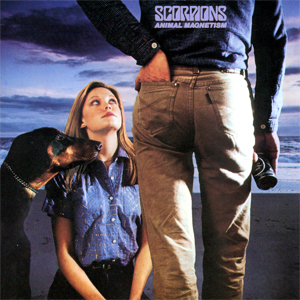
Scorpions
Animal Magnetism
Scorpions follow Lovedrive with a darker and heavier collection. “Make It Real,” “The Zoo” and the brooding title track showcase Rudolf Schenker’s riffs, Matthias Jabs’ guitar work and Klaus Meine’s unmistakable voice.
Diamond Head — Lightning to the Nations · Saxon — Strong Arm of the Law · Angel Witch — Angel Witch · Def Leppard — On Through the Night · Accept — I’m a Rebel
Three needles to drop
Defining songs of 1980
Black Sabbath
“Heaven and Hell”
Tony Iommi’s patient riff gives Ronnie James Dio room to explore the choices between good and evil. The song grows from a restrained opening into one of heavy metal’s most dramatic and enduring epics.
Motörhead
“Ace of Spades”
Lemmy turns gambling into a philosophy while Fast Eddie Clarke and Phil Taylor drive forward without pause. In less than three minutes, Motörhead delivers its entire identity at maximum speed.
Ozzy Osbourne
“Crazy Train”
Randy Rhoads’ instantly recognizable riff helped launch Ozzy’s solo career. The song balances a memorable chorus with inventive guitar work and remains the clearest introduction to the partnership between Ozzy and Rhoads.
Reference shelf
Research notes
This chapter is original editorial writing cross-checked against official artist histories, discographies and archival release information. The rankings and personal selections reflect The Metal Pit’s approved 1980 list.
Next in the archive
1981: The underground begins to rise
Iron Maiden returns with Killers, Ozzy Osbourne delivers Diary of a Madman, Venom opens the gates of extreme metal, and the New Wave of British Heavy Metal continues its charge.