Heavy music spent 1973 looking both inward and forward. The founding bands were no longer trying merely to prove that volume and riffs could support an album; they were searching for ways to grow without losing their identities. At the same time, a second generation began to emerge in rehearsal rooms, small clubs and debut records. The year feels transitional only in hindsight. In the moment it was crowded with major albums, new bands and the first signs that the centre of hard rock would soon move.
Led Zeppelin’s Houses of the Holy refused to live in the shadow of the band’s untitled fourth album. “The Song Remains the Same” and “The Ocean” delivered the attack, “No Quarter” created one of Zeppelin’s heaviest atmospheres, and the record’s funk, reggae and layered production widened the definition of what a major hard-rock band could attempt. Its variety was not a retreat from power; it was Zeppelin claiming the freedom to use power in more colours.
Black Sabbath answered creative exhaustion with Sabbath Bloody Sabbath. After struggling to write in Los Angeles, the band regrouped in England and found the title riff that restarted the album. Synthesizers, strings, acoustic passages and guest keyboards from Rick Wakeman entered the picture, yet “Sabbath Bloody Sabbath” and “A National Acrobat” remained unmistakably heavy. Progressive detail did not soften the band—it made the darkness larger and stranger.
Pink Floyd’s The Dark Side of the Moon sat beyond metal but mattered enormously to the era’s heavy imagination. Its seamless structure, studio experimentation, existential themes and immense dynamics showed how an album could operate as one complete environment. Alice Cooper’s Billion Dollar Babies took a different route, turning shock rock into a chart-topping arena event where guillotines, black humour and concise songs all belonged to the same spectacle.
Montrose’s self-titled debut gave American hard rock a lean new blueprint. Produced by Ted Templeman, it introduced Sammy Hagar over Ronnie Montrose’s dry, commanding guitar tone. “Rock the Nation” opens the record, while “Bad Motor Scooter,” “Space Station #5” and “Rock Candy” make it sound like the starting gun for the next decade. Nazareth found similar road-tested authority on Razamanaz, sharpened by Deep Purple bassist Roger Glover’s production.
Budgie supplied some of the year’s most durable metal DNA. Never Turn Your Back on a Friend opens with “Breadfan,” a rushing, stop-start riff machine that Metallica later covered and carried to a much larger audience. Queen and Aerosmith released debuts that revealed future giants before either had fully formed its classic sound. Deep Purple’s Mark II era ended after Who Do We Think We Are, while KISS played its first shows and AC/DC formed in Sydney. The next wave was no longer theoretical—it had started making noise.
From the Pit
Blake’s Take
My personal pick for 1973 is Montrose’s self-titled debut, an album I still listen to regularly. Compared with the lists from 1970 through 1972, this year contains far more bands and albums that I have spent time with over the years. Led Zeppelin, Black Sabbath, Pink Floyd, Nazareth, Budgie, Queen, Deep Purple and Aerosmith have all been part of my listening at one time or another. Alice Cooper’s Billion Dollar Babies is probably the only album in this Top 10 that I never really spent any time with.
On the archive wall
Four moments that mattered
January
KISS takes the stage
The newly named New York band plays its first shows and begins building an identity made for the road.
Summer
Deep Purple changes voices
The Mark II era ends; David Coverdale and Glenn Hughes enter a band ready for another transformation.
November
AC/DC forms in Sydney
Malcolm and Angus Young assemble the first version of a band that will redefine stripped-down hard rock.
December
Sabbath breaks the block
Sabbath Bloody Sabbath expands the founding sound with progressive scale and renewed confidence.
The essential records
Top 10 albums of 1973
The Metal Pit’s approved ranking, filed with the original album artwork.
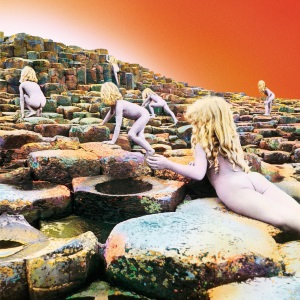
Led Zeppelin
Houses of the Holy
Led Zeppelin refuses to remain in one room. “The Song Remains the Same,” “The Ocean” and the immense atmosphere of “No Quarter” sit beside funk and reggae experiments on the band’s most colourful record yet.
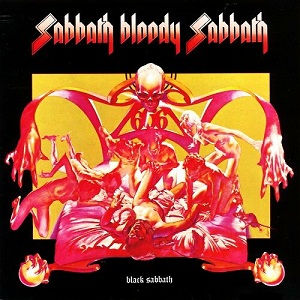
Black Sabbath
Sabbath Bloody Sabbath
A rebirth disguised as an expansion. The title riff is foundational metal, while “A National Acrobat,” “Sabbra Cadabra” and “Spiral Architect” add keyboards, strings and progressive architecture without weakening the band’s identity.
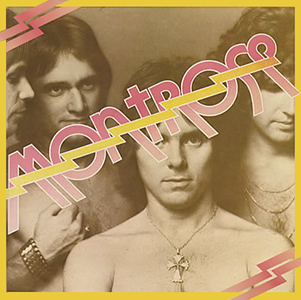
Montrose
Montrose
Lean, loud and enormously influential on American hard rock. Ronnie Montrose’s guitar and Sammy Hagar’s voice make “Bad Motor Scooter,” “Space Station #5” and “Rock Candy” feel like the starting gun for the next decade.
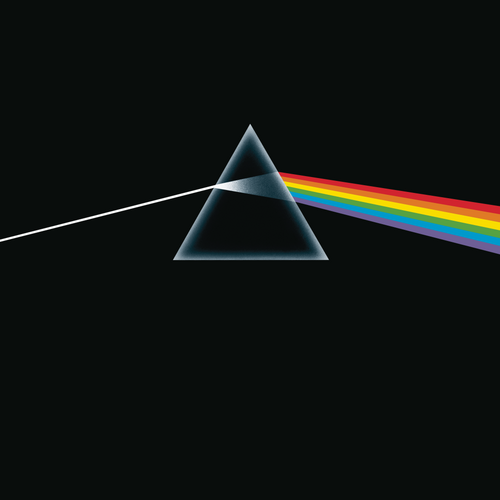
Pink Floyd
The Dark Side of the Moon
A complete sonic world built from clocks, heartbeats, tape loops, synthesizers and human anxiety. Not a conventional metal album, but its atmosphere and studio ambition became part of the vocabulary inherited by progressive heavy music.
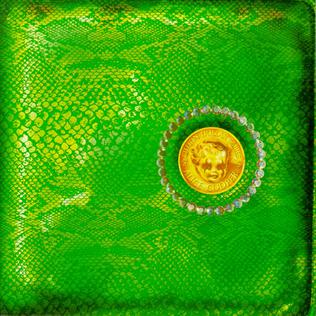
Alice Cooper
Billion Dollar Babies
The original Alice Cooper band reaches its commercial and theatrical summit. The title track, “No More Mr. Nice Guy” and “Elected” are sharp enough for radio, while the album still smells faintly of a stage guillotine.
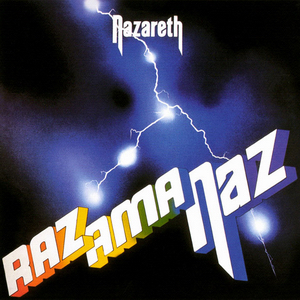
Nazareth
Razamanaz
Roger Glover’s production brings the Scottish band’s live strength into focus. Dan McCafferty’s rasp and Manny Charlton’s guitar turn the title track and “Broken Down Angel” into tough, direct hard rock built for touring.
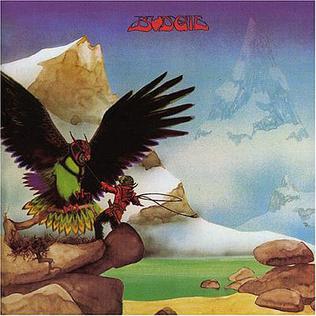
Budgie
Never Turn Your Back on a Friend
Budgie’s finest collision of eccentricity and force. “Breadfan”—later covered by Metallica—is a rushing metal standard, while “Parents” supplies patient drama and emotional weight.
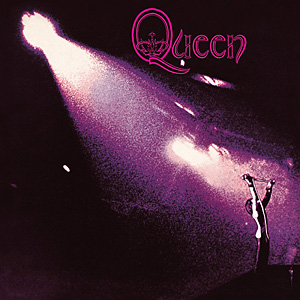
Queen
Queen
The debut is uneven but already unmistakable: Brian May’s orchestral guitar, Freddie Mercury’s theatrical phrasing and a taste for heavy drama. “Keep Yourself Alive” and “Liar” announce a band with no interest in modest ambitions.
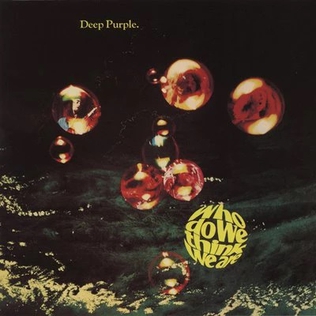
Deep Purple
Who Do We Think We Are
Tension surrounded the final Mark II studio album of the seventies, but the band could still strike hard. “Woman from Tokyo” remains the enduring anthem, while “Rat Bat Blue” preserves the lineup’s volatile guitar-organ chemistry.
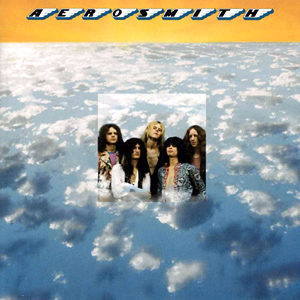
Aerosmith
Aerosmith
The production is raw and the identity still forming, but the ingredients are present—Steven Tyler’s phrasing, Joe Perry and Brad Whitford’s guitars, a loose rhythm section and the slow-burning future classic “Dream On.”
Blue Öyster Cult — Tyranny and Mutation · Thin Lizzy — Vagabonds of the Western World · Uriah Heep — Sweet Freedom · ZZ Top — Tres Hombres
Three needles to drop
Defining songs of 1973
Deep Purple
“Woman from Tokyo”
A bright, driving Mark II classic built on Ritchie Blackmore’s snapping riff, Jon Lord’s piano and Ian Gillan’s effortless hook. Even as the lineup was coming apart, Deep Purple could still make hard rock sound unstoppable.
Golden Earring
“Radar Love”
A midnight-driving epic powered by a bass line that never stops moving. Its road imagery and huge rhythmic release made it one of hard rock’s most enduring travel songs.
Montrose
“Bad Motor Scooter”
Ronnie Montrose turns his guitar into a revving engine before the band tears into one of the decade’s great road riffs. Sammy Hagar’s vocal makes the American hard-rock future audible.
Reference shelf
Research notes
This chapter is original editorial writing cross-checked against official artist histories and discographies. The album and song rankings reflect The Metal Pit’s approved 1973 selections.