By 1972, the first wave of heavy music had become too broad to fit one description. Black Sabbath remained the genre’s dark centre, but hard rock was growing faster, more polished and more ambitious around them. Bands were filling theatres and arenas, live volume was becoming part of the mythology, and progressive rock was demonstrating how much drama could fit on one side of vinyl. The year moved between crushing simplicity, long-form fantasy, bluesy swagger and virtuoso speed.
Deep Purple’s Machine Head was the year’s great act of controlled combustion. Recorded with the Rolling Stones Mobile Studio after the Montreux Casino fire disrupted the band’s plans, it translated the force of the Mark II lineup into a remarkably focused studio album. “Highway Star” joined classical precision to road velocity, “Space Truckin’” made rhythm feel interplanetary, and “Smoke on the Water” turned the disaster itself into the most recognizable guitar riff in hard rock.
Then came Made in Japan. Live albums will rarely enter these Top 10 lists, but this one demands the exception. Drawn from three August concerts in Osaka and Tokyo, it captures Deep Purple treating the studio arrangements as starting points rather than fixed texts. The improvisation, volume and near-telepathic exchanges between Ritchie Blackmore, Jon Lord, Ian Gillan, Roger Glover and Ian Paice make it one of the greatest live hard-rock/metal albums ever released.
Black Sabbath chose expansion. Vol. 4 still delivered granite riffs in “Supernaut,” “Snowblind” and “Cornucopia,” but piano, acoustic interludes and studio experimentation opened windows inside the darkness. The album sounded frayed and adventurous—a document of a band testing how far its identity could stretch without losing its weight. “Supernaut” in particular joined one of Tony Iommi’s most physical riffs to Bill Ward’s restless, almost airborne drumming.
The border between progressive rock and heavy metal remained usefully porous. Yes built Close to the Edge from three vast, intricately connected pieces, while Jethro Tull turned Thick as a Brick into a single album-length composition. Neither is conventional metal, but their scale, dynamics and structural daring fed the future of progressive metal. Uriah Heep’s Demons and Wizards joined fantasy, harmony vocals, Hammond organ and hard guitar; Wishbone Ash’s Argus refined the twin-lead language later embraced by Thin Lizzy and Iron Maiden.
Elsewhere, Alice Cooper made teenage rebellion immortal with School’s Out. Humble Pie’s Smokin’ paired Steve Marriott’s volcanic voice with a tougher post-Frampton lineup and loose blues-rock muscle. Scorpions’ Lonesome Crow sent an early signal from West Germany, with teenage Michael Schenker already searching beyond the song structures around him. The sound was still young, but by the end of 1972 it had roots, branches and several competing ideas about the future.
From the Pit
Blake’s Take
Machine Head is one of my favourite albums of all time, and I have listened to it countless times over the years. Deep Purple also released the classic live album Made in Japan in 1972, and hearing its version of “Child in Time” pulled me even further into the band’s catalogue. As I continued exploring Deep Purple, “Woman from Tokyo” became another favourite. These records demonstrate why Purple influenced so many musicians who followed, including Dream Theater. That connection came full circle in 2006, when Dream Theater performed its own version of Made in Japan in Osaka, reinterpreting the complete set while paying tribute to the original.
On the archive wall
Four moments that mattered
March
Machine Head survives the fire
Deep Purple turns a disrupted Swiss recording plan into one of hard rock’s most durable albums.
June
School lets out
Alice Cooper turns the final bell into a permanent hard-rock anthem and shock theatre into mass culture.
September
Two worlds stretch outward
Close to the Edge and Vol. 4 push progressive rock and heavy metal toward more ambitious forms.
December
Made in Japan arrives
Deep Purple’s improvisational stage power produces the rare live record that belongs beside the year’s studio classics.
The essential records
Top 10 albums of 1972
The Metal Pit’s approved ranking, now filed with album artwork.
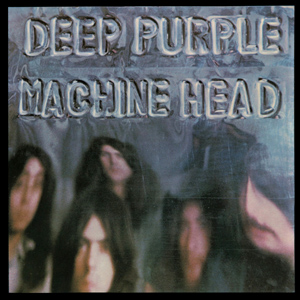
Deep Purple
Machine Head
Seven songs with almost no wasted motion. The riffs are monumental, the performances exact and explosive, and the balance between Blackmore’s guitar and Lord’s organ creates a model for fast, technically commanding heavy rock.
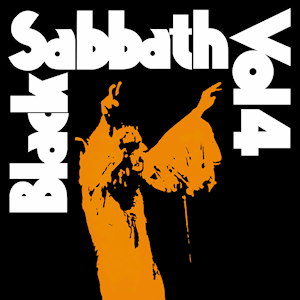
Black Sabbath
Vol. 4
Sabbath’s first self-produced album is both crushing and restless. “Supernaut” and “Snowblind” deliver canonical riffs, while “Changes,” acoustic passages and unusual production choices reveal a band refusing to become its own formula.
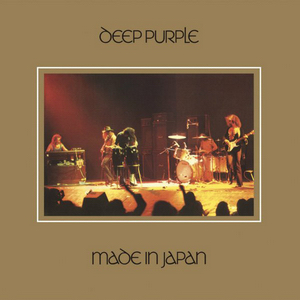
Deep Purple
Made in Japan
Very few live albums will make these Top 10 lists, but this is the exception: one of the greatest live hard-rock/metal albums ever made. The Mark II lineup stretches familiar material through improvisation, volume and the kind of chemistry studio walls can barely contain.
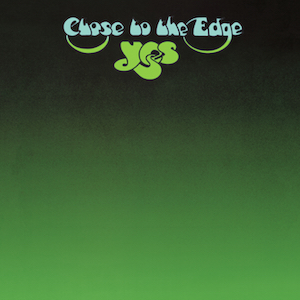
Yes
Close to the Edge
Three compositions, each built on a grand scale. The title suite’s shifting sections, “And You and I” and the harder-edged “Siberian Khatru” made progressive rock feel like a complete world—and supplied future progressive metal with a structural north star.
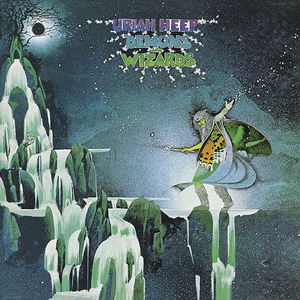
Uriah Heep
Demons and Wizards
Fantasy imagery and progressive colour meet direct, memorable hard rock. “Easy Livin’” is the breakthrough anthem, but the album’s real power comes from its flow between acoustic mystery, stacked voices, organ and heavy guitar.
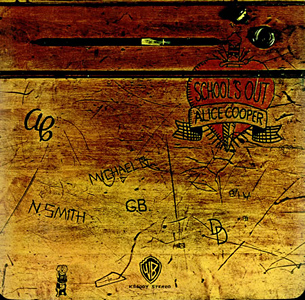
Alice Cooper
School’s Out
The title track became a permanent rite of summer, but the album is stranger than its hit suggests. Broadway touches, garage-rock abrasion and Bob Ezrin’s production turn teenage rebellion into an ambitious piece of shock theatre.
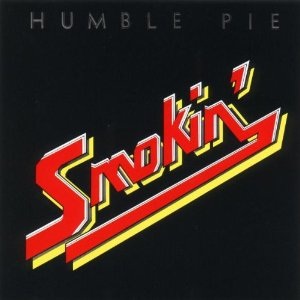
Humble Pie
Smokin’
The first Humble Pie studio album after Peter Frampton’s departure doubles down on heat, soul and blues-rock muscle. Steve Marriott sounds volcanic on “Hot ’n’ Nasty” and “30 Days in the Hole,” while Clem Clempson gives the band a tougher new guitar partner.
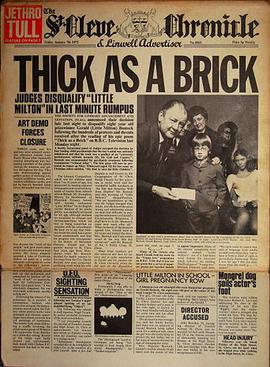
Jethro Tull
Thick as a Brick
Presented as one continuous composition across two sides, Jethro Tull’s progressive landmark balances dense ensemble playing, acoustic detail, satire and sudden bursts of hard-rock force. Its ambition helped normalize the album as a single immersive journey.
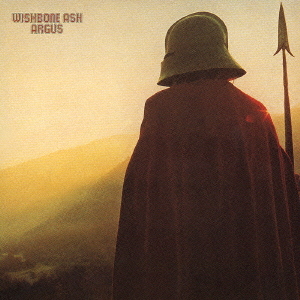
Wishbone Ash
Argus
Not metal in the strict sense, but essential to its future. Andy Powell and Ted Turner’s harmonized guitars, medieval atmosphere and patient arrangements created a melodic twin-lead vocabulary heard later in Thin Lizzy, Iron Maiden and beyond.
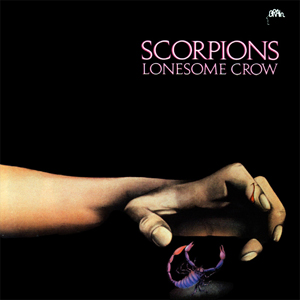
Scorpions
Lonesome Crow
Scorpions begin in a haze of psychedelic and progressive hard rock far removed from their later arena precision. The long title track and Michael Schenker’s teenage guitar work make the debut a fascinating first signal from Germany.
Blue Öyster Cult — Blue Öyster Cult · Budgie — Squawk · Captain Beyond — Captain Beyond · Uriah Heep — The Magician’s Birthday
Three needles to drop
Defining songs of 1972
Deep Purple
“Smoke on the Water”
Ritchie Blackmore’s instantly recognizable riff turns the Montreux Casino fire into hard-rock folklore. Jon Lord’s distorted organ, Ian Paice’s deliberate weight and Ian Gillan’s eyewitness lyric make simplicity feel monumental.
Black Sabbath
“Supernaut”
The central riff is one of Tony Iommi’s most physical, but Bill Ward’s drums make the song levitate as much as it stomps. Funk, metal and pure momentum meet without seams.
Alice Cooper
“School’s Out”
A children’s rhyme, a gang vocal and one immortal declaration of freedom turn the last school bell into a year-round rebellion. Shock rock rarely sounded this universal—or this much fun.
Reference shelf
Research notes
This chapter is original editorial writing cross-checked against official artist histories and discographies. The album and song rankings reflect The Metal Pit’s approved 1972 selections.