With no new Black Sabbath studio album in 1974, the centre of heavy music briefly opened. What rushed into that space was not one replacement but a new network of bands and ideas. Glam, progressive rock, boogie and blues still overlapped with metal, yet the outlines of a more distinct genre were becoming easier to see: twin guitars, high and forceful vocals, fast riffing, European melody and an emerging class of road-tested bands that would define the decade’s second half.
Deep Purple introduced its Mark III lineup with Burn. David Coverdale’s earthy voice and Glenn Hughes’ higher, soulful range changed the band’s chemistry, while Ritchie Blackmore, Jon Lord and Ian Paice retained the instrumental fire. The title track was a precision attack and “Mistreated” brought slow, dramatic weight. Stormbringer followed before the year ended, leaning further into funk and soul and revealing both the new lineup’s range and the tensions that would soon send Blackmore elsewhere.
Sweet made glam rock hit with real muscle. Desolation Boulevard joined enormous choruses to Andy Scott’s hard guitar, Steve Priest’s bass and Mick Tucker’s thundering drums. “The Ballroom Blitz” was theatrical, funny and instantly memorable, but the album also carried the tougher attack of “Set Me Free,” “Sweet F.A.” and “A.C.D.C.” The makeup and glitter never cancelled the weight underneath.
Queen released two albums and seemed to evolve between them. Queen II built a dense, fantastical world out of layered guitars and voices; Sheer Heart Attack tightened that ambition into shorter, sharper songs. “Killer Queen” provided the breakthrough, but “Stone Cold Crazy” mattered enormously to metal: its clipped riffing and breathless pace sounded like a prototype for thrash years before the term existed. King Crimson’s Starless and Bible Black explored a more unstable progressive frontier, turning live improvisations, metallic guitar and sudden shifts into music that could feel beautiful one minute and dangerous the next.
A European guitar lineage was also taking shape. Michael Schenker’s arrival transformed UFO on Phenomenon, where “Doctor Doctor” and “Rock Bottom” joined memorable songs to a fluid lead style that would influence generations. Scorpions moved forward with Fly to the Rainbow and Uli Jon Roth’s expressive guitar voice. In Birmingham, Judas Priest released Rocka Rolla after Rob Halford and Glenn Tipton joined K. K. Downing and Ian Hill. The debut still carried heavy blues and progressive remnants, but the twin-guitar framework and Halford’s range pointed toward a more sharply defined metal identity.
North America supplied a different surge. Aerosmith toughened its sound on Get Your Wings, where Jack Douglas helped the band capture the dirt, swing and menace that its debut had only suggested. Rush’s first album was stripped-down Toronto hard rock, with “Working Man” finding an early audience on American radio. Original drummer John Rutsey left after the album, and Neil Peart joined before the first United States tour. KISS released two albums and built its real reputation through relentless live work, turning songs like “Deuce,” “Strutter” and “Black Diamond” into the foundation of a much larger spectacle.
The next wave was assembling just beyond the album racks. Bon Scott joined AC/DC, giving the Australian band the voice and personality for its imminent breakthrough. In Pasadena, Mammoth adopted the Van Halen name and continued building a local following. None of these developments instantly ended hard rock’s productive overlap with metal. They did show that a new era was coming: more international, more visually defined and increasingly driven by bands that understood heaviness as an identity rather than simply one colour in rock’s palette.
From the Pit
Blake’s Take
Looking back at 1974, my favourite album from the year is Sweet’s Desolation Boulevard. I still listen to it every once in a while, and although “The Ballroom Blitz” is naturally the album’s best-known song, I enjoy the entire record. Interestingly, it is the only Sweet album I ever really got into. I grew up listening to plenty of ’70s rock, especially bands like Queen and Aerosmith, and I also became a big Deep Purple fan. However, I never spent quite as much time with Burn as I did with some of Purple’s other albums.
On the archive wall
Four moments that mattered
February
Deep Purple burns again
Coverdale and Hughes make their studio entrance as the Mark III lineup opens with a full-speed classic.
July
Neil Peart joins Rush
The Toronto trio finds its drummer and lyricist on the eve of its first American tour.
September
Judas Priest makes its debut
Rocka Rolla captures an unfinished band whose twin guitars and extraordinary singer point far ahead.
November
Queen strikes at speed
Sheer Heart Attack breaks the band widely, while “Stone Cold Crazy” offers an early glimpse of thrash velocity.
The essential records
Top 10 albums of 1974
The Metal Pit’s approved ranking, now filed with album artwork.
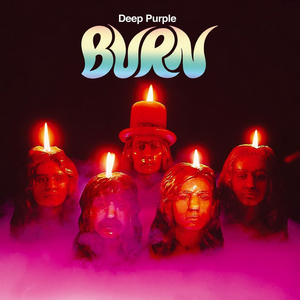
Deep Purple
Burn
A lineup change becomes a surge of new energy. Coverdale and Hughes trade contrasting voices, Blackmore and Lord attack the title track, and “Mistreated” gives the Mark III band a slow-burning epic of its own.
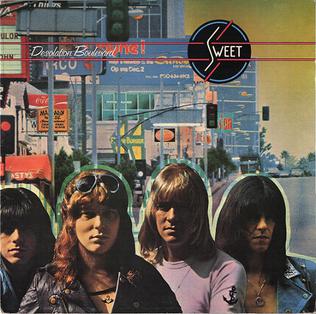
Sweet
Desolation Boulevard
Glam rock with its boots planted firmly on the distortion pedal. “The Ballroom Blitz” is the irresistible anthem, while “Set Me Free,” “Sweet F.A.” and “A.C.D.C.” show how heavy Andy Scott, Steve Priest and Mick Tucker could make Sweet sound.
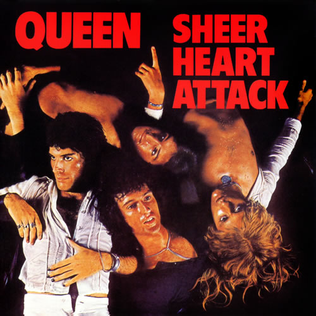
Queen
Sheer Heart Attack
Queen compresses its studio ambition into a fast-moving breakthrough. “Killer Queen” supplies elegance and wit, “Now I’m Here” supplies hard-rock scale, and “Stone Cold Crazy” races toward a metal future no one had named.
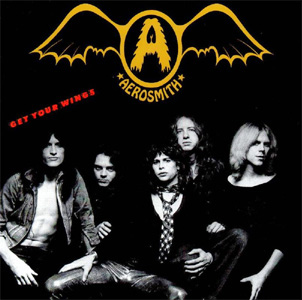
Aerosmith
Get Your Wings
The second album finds the dirt and swing missing from parts of the debut. “Same Old Song and Dance” and “Lord of the Thighs” define Aerosmith’s streetwise groove, while “Seasons of Wither” reveals its darker reach.
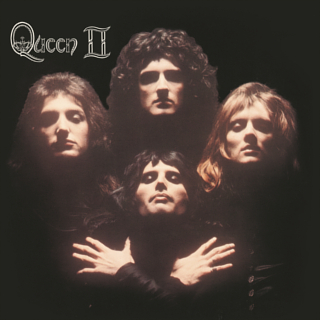
Queen
Queen II
A dense black-and-white fantasy of stacked voices, Brian May’s orchestrated guitar and linked songs. “Ogre Battle” brings genuine weight, while the album’s sweep makes early Queen sound like a world being constructed in real time.
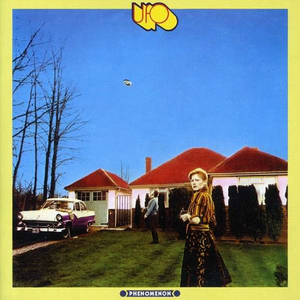
UFO
Phenomenon
Michael Schenker’s first full UFO album changes the group’s trajectory. “Doctor Doctor” is immediate and melodic; “Rock Bottom” opens the space for his fluid, dramatic lead work to become a European metal reference point.
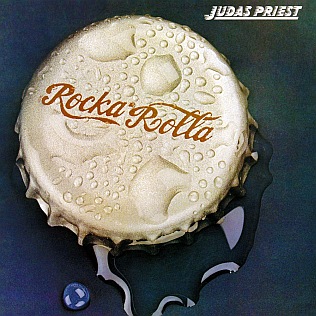
Judas Priest
Rocka Rolla
More heavy blues and progressive hard rock than the metal Priest would soon perfect, the debut remains historically essential. Halford, Downing, Tipton and Hill are finally on record together, with “Run of the Mill” hinting at the drama ahead.
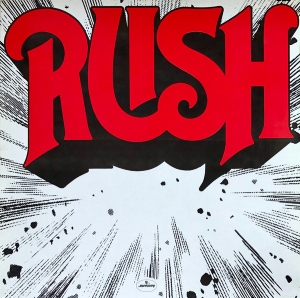
Rush
Rush
Before Neil Peart, Rush was a hard-rock trio powered by Alex Lifeson’s guitar and Geddy Lee’s high voice. “Finding My Way” and “Working Man” carry enough raw force to open the American door.
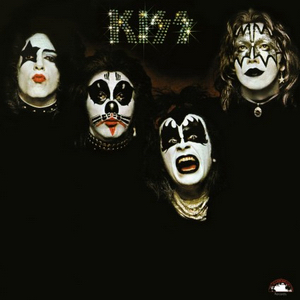
KISS
KISS
The makeup was already in place, and so were the songs. “Strutter,” “Deuce,” “Cold Gin” and “Black Diamond” gave KISS a durable opening catalogue, even if the debut’s studio sound could not yet match the band’s live force.
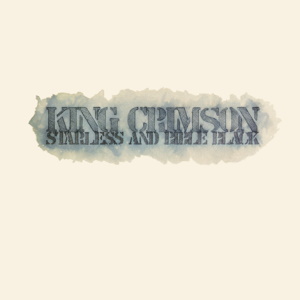
King Crimson
Starless and Bible Black
Part studio record and part disguised live experiment, this is King Crimson at its most unstable. “The Great Deceiver,” “Fracture” and the title piece combine metallic precision, improvisation and tension that never fully resolves.
Blue Öyster Cult — Secret Treaties · Scorpions — Fly to the Rainbow · Bad Company — Bad Company · Robin Trower — Bridge of Sighs
Three needles to drop
Defining songs of 1974
Deep Purple
“Burn”
One of hard rock’s great openings: a racing Blackmore riff, Jon Lord matching the attack and two new singers announcing that Deep Purple’s third major lineup would not enter quietly.
Sweet
“The Ballroom Blitz”
A spoken roll call, a drum crack and then glorious glam-rock chaos. Sweet turns a dance-hall riot into a huge chorus while Mick Tucker’s drums and Andy Scott’s guitar keep the glitter anchored to real power.
Queen
“Stone Cold Crazy”
Two and a quarter minutes of clipped riffs, sudden accents and breathless vocals. Its proto-thrash energy was so far ahead that Metallica’s later cover felt less like reinvention than recognition.
Reference shelf
Research notes
This chapter is original editorial writing cross-checked against official artist histories and discographies. The album and song rankings reflect The Metal Pit’s approved 1974 selections.