Volume XXIV · Extremity becomes evolution
Chapter 01
The year in heavy music
Metal’s transformation accelerated in 1993. Thrash was no longer the genre’s undisputed centre, alternative music controlled the mainstream and the extreme underground was rapidly maturing. The year’s defining records did more than repeat established styles: they introduced melody to death metal, groove to thrash, commercial hooks to gothic doom and darker textures to traditional bands seeking a new identity.
Carcass made one of the year’s greatest leaps with Heartwork. Working with producer Colin Richardson, Bill Steer, Jeff Walker, Michael Amott and Ken Owen replaced much of the medical gore and grinding chaos of their early work with precision, harmony and memorable twin-guitar lines. “Buried Dreams,” “Carnal Forge,” “No Love Lost” and the title track helped establish melodic death metal as a distinct path forward.
Death continued its technical evolution on Individual Thought Patterns. Chuck Schuldiner assembled another extraordinary lineup featuring bassist Steve Di Giorgio, drummer Gene Hoglan and King Diamond guitarist Andy LaRocque. “Overactive Imagination,” “Trapped in a Corner” and “The Philosopher” joined complex musicianship to increasingly philosophical lyrics. Morbid Angel entered the major-label world with Covenant, produced by Flemming Rasmussen. “Rapture” and “God of Emptiness” brought uncompromising death metal to MTV and wider distribution without softening the band’s darkness.
Sepultura made an equally important change on Chaos A.D.. The speed of Arise gave way to heavier grooves, hardcore influence and Brazilian percussion. “Refuse/Resist,” “Territory,” “Slave New World” and the acoustic tribal piece “Kaiowas” pointed directly toward the experiments of Roots. Entombed also broke from death-metal convention on Wolverine Blues, combining the Swedish buzzsaw sound with rock-and-roll swagger and mid-tempo groove. The approach would become known as death ’n’ roll.
Type O Negative’s Bloody Kisses transformed gothic metal through Peter Steele’s deep voice, Josh Silver’s keyboards, doom-heavy guitars and a wicked sense of humour. “Christian Woman” and “Black No. 1” gradually turned the album into Roadrunner Records’ first gold release. Paradise Lost’s Icon moved in a similarly gothic direction, reducing the death-metal elements of the band’s earlier work while preserving its melancholy weight.
Tool’s full-length debut Undertow offered another route into darkness. “Sober,” “Prison Sex” and the title track combined hypnotic rhythms, heavy riffs and Maynard James Keenan’s controlled intensity. Anthrax also began again on Sound of White Noise, its first album with former Armored Saint singer John Bush. The darker “Only,” “Room for One More” and “Black Lodge” replaced much of the band’s earlier comic energy with a tougher alternative-metal sound.
Savatage entered a new era with Edge of Thorns, introducing vocalist Zak Stevens while Jon Oliva concentrated on writing and production. Criss Oliva’s expressive guitar remained the album’s emotional centre on the title track, “He Carves His Stone” and “All That I Bleed.” Tragically, Criss was killed by a drunk driver on October 17, only six months after the album’s release. He was thirty years old, and Edge of Thorns became his final Savatage recording.
The year’s honourable mentions form another remarkable list: Cynic’s progressive death-metal landmark Focus, Mercyful Fate’s reunion album In the Shadows, My Dying Bride’s Turn Loose the Swans, Immortal’s Pure Holocaust, Darkthrone’s Under a Funeral Moon, Life of Agony’s River Runs Red, Cathedral’s The Ethereal Mirror and Fight’s War of Words. Metal was no longer retreating from change—it was feeding on it.
From the Pit
Blake’s Take
What a difference a year made to my listening tastes. Of the albums in this Top 10, Savatage’s Edge of Thorns is the only one that was really on my listening list. I also loved Mercyful Fate’s comeback album In the Shadows, and that would be my personal number-one album of 1993.
On the archive wall
Four moments that mattered
Filed under: reinvention and tragedy.
April 6, 1993
Tool goes underground
Undertow gives alternative metal a darker and more progressive voice through “Sober,” “Prison Sex” and hypnotic rhythmic weight.
June 22, 1993
Death metal expands
Death’s Individual Thought Patterns and Morbid Angel’s American release of Covenant push the genre forward on the same day.
August 17, 1993
Gothic metal crosses over
Bloody Kisses begins Type O Negative’s slow rise from Brooklyn cult band to Roadrunner’s first gold-selling act.
October 17, 1993
Metal loses Criss Oliva
The Savatage co-founder and guitarist is killed by a drunk driver, cutting short one of heavy metal’s most expressive musical voices.
The essential records
Top 10 albums of 1993
The approved studio-album order.
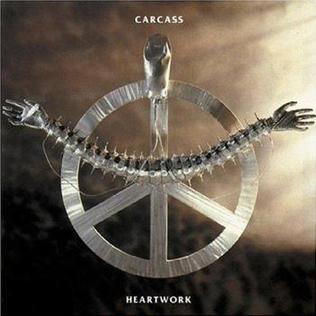
Carcass
Heartwork
Carcass transforms extreme metal through precise songwriting, twin-guitar harmonies and unforgettable riffs. The title track becomes a foundation stone for melodic death metal.
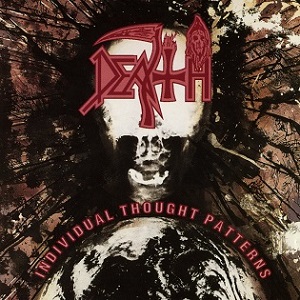
Death
Individual Thought Patterns
Chuck Schuldiner, Gene Hoglan, Steve Di Giorgio and Andy LaRocque combine aggression with extraordinary musicianship. “The Philosopher” gives technical death metal an unlikely MTV moment.
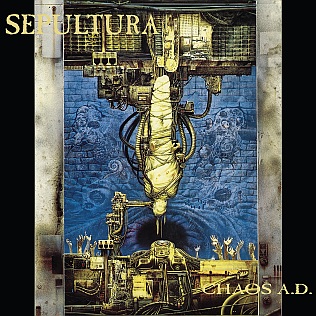
Sepultura
Chaos A.D.
Sepultura slows its thrash attack into crushing groove while adding hardcore and Brazilian percussion. “Refuse/Resist” and “Territory” help redefine nineties metal.
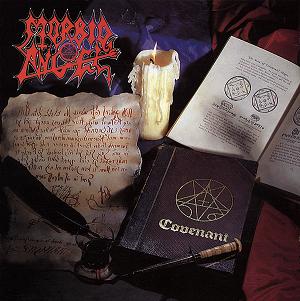
Morbid Angel
Covenant
A major-label deal and Flemming Rasmussen’s production give Morbid Angel greater reach without reducing its intensity. “Rapture” and “God of Emptiness” remain death-metal standards.
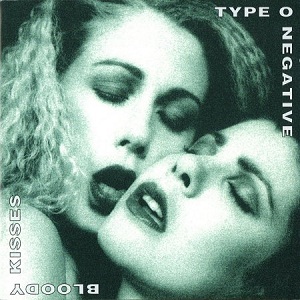
Type O Negative
Bloody Kisses
Doom riffs, gothic romance, dark humour and Peter Steele’s unmistakable voice create a unique crossover. “Christian Woman” and “Black No. 1” become enduring gothic-metal anthems.
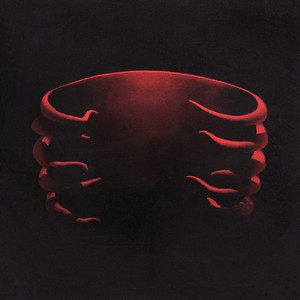
Tool
Undertow
Tool’s full-length debut combines muscular riffs, unusual rhythms and psychological tension. “Sober” and “Prison Sex” introduce a band already operating by its own rules.
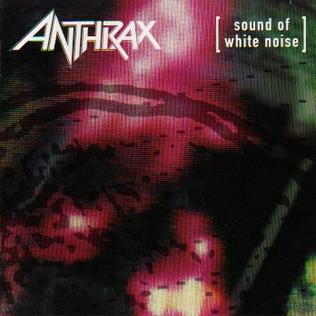
Anthrax
Sound of White Noise
John Bush’s first Anthrax album replaces much of the old humour with darker, heavier alternative metal. “Only” and “Black Lodge” make the reinvention convincing.
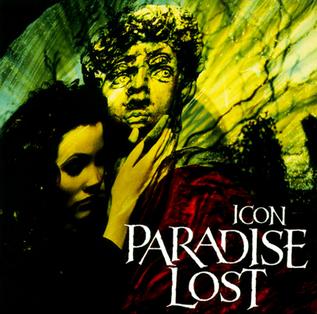
Paradise Lost
Icon
Paradise Lost moves beyond death-doom toward a grand gothic-metal identity. “Embers Fire,” “Remembrance” and “True Belief” balance crushing guitars with memorable melancholy.
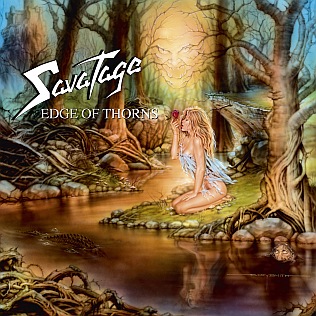
Savatage
Edge of Thorns
Zak Stevens makes an impressive vocal debut while Criss Oliva delivers some of his finest guitar work. The title song became Savatage’s only charting single and a lasting classic.
Entombed
Wolverine Blues
The return of L.G. Petrov accompanies a radical shift toward hard-rock swagger and mid-tempo groove. Entombed creates the style soon labelled death ’n’ roll.
Mercyful Fate — In the Shadows · Cynic — Focus · My Dying Bride — Turn Loose the Swans · Immortal — Pure Holocaust · Darkthrone — Under a Funeral Moon · Life of Agony — River Runs Red · Cathedral — The Ethereal Mirror · Fight — War of Words · Coroner — Grin · Primus — Pork Soda
Three needles to drop
Defining songs of 1993
Carcass
“Heartwork”
Harmonized guitars, surgical precision and an unforgettable central riff turn extreme-metal technique into the melodic death-metal blueprint.
Sepultura
“Refuse/Resist”
A heartbeat, tribal percussion and one of Andreas Kisser’s most crushing riffs announce Sepultura’s transformation from thrash into groove.
Tool
“Sober”
A hypnotic bass line and Maynard James Keenan’s controlled eruption introduce Tool’s unsettling approach to alternative and progressive metal.
Reference shelf
Research notes
This chapter is original editorial writing cross-checked against artist discographies, release histories and retrospective critical assessments. The album order, selected songs and personal reflections represent the approved 1993 chapter.
Next in the archive
1994: Metal thrives outside the mainstream
Dream Theater, Pantera, Machine Head and Megadeth deliver major releases while Emperor, Corrosion of Conformity, Infectious Grooves and Mercyful Fate demonstrate the genre’s expanding range.