Volume XXIII · Metal redraws its borders
Chapter 01
The year in heavy music
By 1992, heavy metal no longer had one obvious centre. Traditional metal and thrash remained active, but groove, alternative, industrial, progressive, doom and death metal were all demanding space. The year’s strongest albums sounded dramatically different from one another, proving that metal’s future would be shaped by experimentation rather than a single dominant formula.
Pantera delivered the year’s most influential pure-metal statement with Vulgar Display of Power. The band stripped away the remaining flash of Cowboys from Hell and concentrated on Dimebag Darrell’s crushing riffs, Vinnie Paul’s precise grooves, Rex Brown’s low end and Phil Anselmo’s increasingly harsh voice. “Mouth for War,” “A New Level,” “Walk,” “Fucking Hostile” and “This Love” became the vocabulary of groove metal and helped define heaviness for the decade.
Alice in Chains explored a different kind of weight on Dirt. Jerry Cantrell’s riffs and vocal harmonies with Layne Staley carried songs filled with addiction, isolation, anger and war. “Them Bones,” “Rain When I Die,” “Down in a Hole,” “Rooster” and “Would?” made the album both brutally personal and widely accessible. Although associated with Seattle’s grunge movement, Dirt was built on unmistakably metallic foundations.
Faith No More rejected every expectation created by The Real Thing on Angel Dust. Mike Patton played a much larger role in the writing as the band moved through alternative metal, funk, noise, lounge music, progressive rock and cinematic experimentation. “Land of Sunshine,” “Caffeine,” “Midlife Crisis,” “Everything’s Ruined” and “Jizzlobber” created a deliberately strange album whose influence continued to grow long after its release.
Dream Theater gave progressive metal a new commercial and artistic landmark with Images and Words, the band’s first album with James LaBrie. “Pull Me Under” received unexpected MTV and radio attention, while “Metropolis—Part I,” “Take the Time” and “Learning to Live” displayed the musicianship and long-form writing that would inspire a generation of progressive bands.
Industrial metal also broke through. Ministry’s Psalm 69 turned programmed rhythms, samples and thrash guitar into a hostile mechanical attack on “N.W.O.,” “Just One Fix” and “Jesus Built My Hotrod.” White Zombie’s La Sexorcisto: Devil Music Volume One mixed groove metal, exploitation-film samples and Rob Zombie’s horror aesthetic. The slow-building success of “Thunder Kiss ’65” eventually carried the band into the mainstream.
Several veteran bands reinvented themselves. Trouble moved away from its slowest doom material on Manic Frustration, embracing psychedelic colour and more direct songwriting without losing Eric Wagner’s distinctive voice. Suicidal Tendencies became more melodic and introspective on The Art of Rebellion, producing career-defining songs such as “Nobody Hears.” Obituary reunited a classic lineup on The End Complete, which became the band’s greatest commercial success, while Manowar opened The Triumph of Steel with the twenty-eight-minute epic “Achilles, Agony and Ecstasy in Eight Parts.”
The albums outside this Top 10 reveal the year’s extraordinary depth: Megadeth’s Countdown to Extinction, Black Sabbath’s Dio-fronted Dehumanizer, Iron Maiden’s Fear of the Dark, Rage Against the Machine’s debut, Helmet’s Meantime, Kyuss’ Blues for the Red Sun, W.A.S.P.’s The Crimson Idol and Blind Guardian’s Somewhere Far Beyond. Metal was no longer one road—it was an entire map.
From the Pit
Blake’s Take
1992 produced several of my favourite albums of all time. Faith No More’s Angel Dust, Dream Theater’s Images and Words, Trouble’s Manic Frustration and Suicidal Tendencies’ The Art of Rebellion all remain major favourites. Pantera and Alice in Chains also released great albums that I still enjoy, making this one of the deepest and most memorable years of the decade for me.
On the archive wall
Four moments that mattered
Filed under: metal breaks every boundary.
February 25, 1992
Pantera defines the groove
Vulgar Display of Power replaces speed with physical impact and becomes a blueprint for nineties metal.
June 8, 1992
Faith No More gets stranger
Angel Dust follows a platinum breakthrough with fearless experimentation and a refusal to repeat the past.
July 14, 1992
Industrial metal breaks through
Ministry’s Psalm 69 brings machine rhythms, political samples and thrash guitar into the wider metal world.
September 29, 1992
Alice in Chains digs deep
Dirt turns addiction and despair into one of the heaviest and most emotionally powerful albums of the era.
The essential records
Top 10 albums of 1992
The Metal Pit’s research-based studio-album ranking.
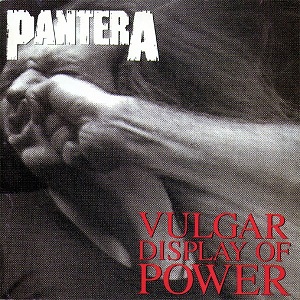
Pantera
Vulgar Display of Power
Pantera distils its sound into crushing riffs, locked-in grooves and controlled aggression. “Mouth for War,” “Walk,” “Fucking Hostile” and “This Love” become defining songs of nineties metal.
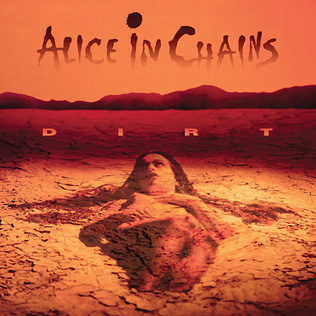
Alice in Chains
Dirt
Layne Staley and Jerry Cantrell turn addiction, isolation and war into devastating vocal harmonies and enormous riffs. Few albums have made personal darkness sound this powerful.
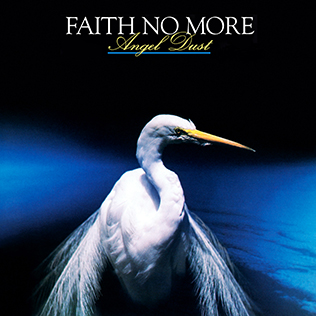
Faith No More
Angel Dust
Faith No More follows success by becoming stranger, darker and less predictable. “Caffeine,” “Midlife Crisis,” “Everything’s Ruined” and “Jizzlobber” make experimentation feel dangerously heavy.
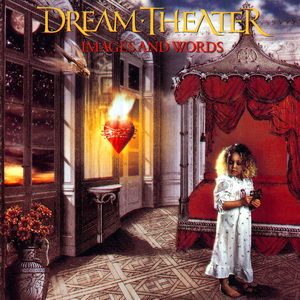
Dream Theater
Images and Words
James LaBrie’s debut with Dream Theater joins memorable melodies to exceptional musicianship. “Pull Me Under” opens the door, while “Metropolis—Part I” and “Learning to Live” define modern progressive metal.
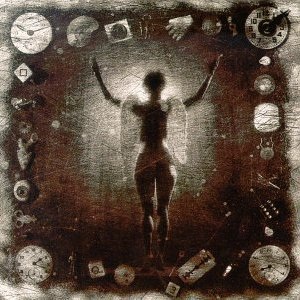
Ministry
Psalm 69
Al Jourgensen and Paul Barker fuse samples, mechanical rhythms and thrash guitar into industrial-metal warfare. “N.W.O.,” “Just One Fix” and “Jesus Built My Hotrod” are mercilessly effective.
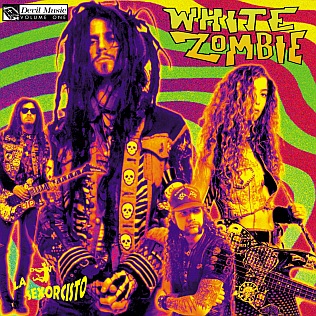
White Zombie
La Sexorcisto: Devil Music Volume One
Groove-heavy riffs, horror imagery and exploitation-film samples create White Zombie’s breakthrough identity. “Thunder Kiss ’65” and “Black Sunshine” make the weirdness irresistible.
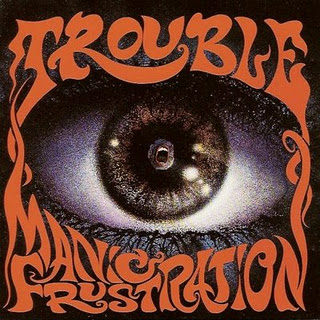
Trouble
Manic Frustration
Trouble adds psychedelic colour and faster tempos to its doom foundation. “Come Touch the Sky,” “Memory’s Garden” and “The Sleeper” reveal a band successfully broadening its sound.
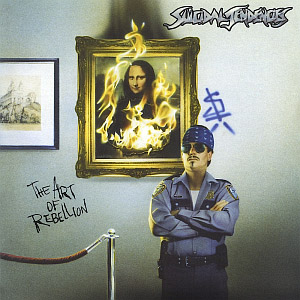
Suicidal Tendencies
The Art of Rebellion
The band moves beyond straightforward crossover thrash toward melody, atmosphere and introspection. “Nobody Hears” and “I’ll Hate You Better” become enduring Suicidal Tendencies favourites.
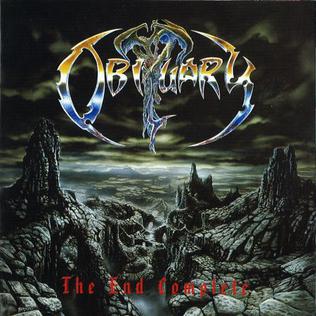
Obituary
The End Complete
The return of guitarist Allen West restores Obituary’s classic lineup. The title track and “I’m in Pain” deliver the band’s trademark swampy riffs on its most commercially successful album.
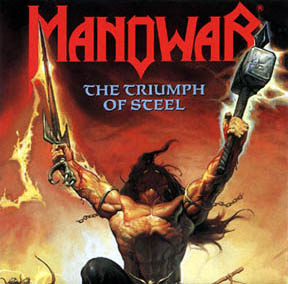
Manowar
The Triumph of Steel
Manowar embraces maximum scale with battle hymns, heroic choruses and the twenty-eight-minute “Achilles, Agony and Ecstasy in Eight Parts.” Subtle it is not—and that is precisely the point.
Megadeth — Countdown to Extinction · Black Sabbath — Dehumanizer · Iron Maiden — Fear of the Dark · Rage Against the Machine — Rage Against the Machine · Helmet — Meantime · Kyuss — Blues for the Red Sun · W.A.S.P. — The Crimson Idol · Blind Guardian — Somewhere Far Beyond · Cannibal Corpse — Tomb of the Mutilated · Bolt Thrower — The IVth Crusade
Three needles to drop
Defining songs of 1992
Dream Theater
“Pull Me Under”
A progressive eight-minute song becomes an unlikely MTV hit and introduces a vast new audience to Dream Theater’s precision, melody and ambition.
Ministry
“Jesus Built My Hotrod”
Gibby Haynes’ frantic vocal rides a relentless mechanical groove, creating industrial metal’s wildest and most improbable party anthem.
Pantera
“Walk”
One enormous syncopated riff, a confrontational chorus and Dimebag Darrell’s explosive solo turn simplicity into a groove-metal commandment.
Reference shelf
Research notes
This chapter is original editorial writing cross-checked against artist discographies, release histories and retrospective critical rankings. The songs and personal reflections represent The Metal Pit’s approved 1992 selections.
Next in the archive
1993: Extremity becomes evolution
Carcass, Death, Entombed and Sepultura reshape extreme metal while Tool, Type O Negative, Paradise Lost and Anthrax push heaviness into bold new territory.