Volume XXII · The old rules disappear
Chapter 01
The year in heavy music
Few years changed heavy music as dramatically as 1991. Established metal bands reached enormous new audiences while the underground became more extreme, technical and adventurous. Thrash, death metal, progressive metal, hard rock and the heavy side of Seattle’s alternative scene all produced landmark releases. Instead of moving in one direction, metal expanded at both ends: more accessible at the top and more uncompromising below.
Metallica’s self-titled fifth album—quickly known as the Black Album—was the year’s defining commercial event. Working with producer Bob Rock, the band shortened its arrangements, slowed many tempos and placed greater emphasis on weight, melody and direct songwriting. “Enter Sandman,” “Sad but True,” “The Unforgiven,” “Wherever I May Roam” and “Nothing Else Matters” carried Metallica far beyond thrash audiences. Some longtime fans rejected the change, but the album turned the band into a global stadium act and brought millions of new listeners into heavy metal.
At the opposite edge of the genre, Death transformed technical metal with Human. Chuck Schuldiner recruited guitarist Paul Masvidal, drummer Sean Reinert and bassist Steve Di Giorgio, surrounding himself with musicians capable of taking Death into progressive territory. “Flattening of Emotions,” “Suicide Machine,” “Together as One” and “Lack of Comprehension” combined aggression with remarkable precision. Sepultura’s Arise made a similarly important advance, joining thrash intensity, death-metal weight and increasingly atmospheric production on the title track, “Dead Embryonic Cells” and “Desperate Cry.”
Death metal experienced one of the strongest years in its history. Carcass added guitarist Michael Amott and moved beyond grindcore on Necroticism: Descanting the Insalubrious, building longer and more intricate songs without losing its gruesome identity. Morbid Angel’s Blessed Are the Sick mixed speed, doom and classical influence into a darker follow-up to Altars of Madness. Entombed’s Clandestine refined the Swedish buzzsaw sound, while Cannibal Corpse’s Butchered at Birth pushed graphic extremity far beyond mainstream tolerance.
Heavy music was also changing outside traditional metal circles. Soundgarden’s Badmotorfinger joined unusual time signatures, Chris Cornell’s extraordinary voice and Kim Thayil’s dark riffs on “Rusty Cage,” “Outshined” and “Jesus Christ Pose.” The album helped prove that Seattle’s emerging alternative movement could be every bit as heavy as metal. Skid Row also rejected an easy commercial repeat with Slave to the Grind, delivering a harder record led by the title track, “Monkey Business” and “Quicksand Jesus.”
Savatage created its most ambitious narrative with Streets: A Rock Opera. Producer and co-writer Paul O’Neill helped Jon Oliva, Criss Oliva, Johnny Lee Middleton and Steve Wacholz shape the rise, collapse and redemption of fictional rock star D.T. Jesus. Songs including “Jesus Saves,” “Strange Reality,” “Believe” and the title track joined theatrical storytelling to emotional heavy metal.
The year was far deeper than any Top 10 could show. Ozzy Osbourne’s No More Tears produced one of his greatest title tracks, Guns N’ Roses issued both volumes of Use Your Illusion, and Overkill, Van Halen, Armored Saint, Dismember, Suffocation, Bolt Thrower and Fates Warning all delivered important records. By the end of 1991, the old division between mainstream and underground metal had become a vast landscape of competing sounds.
From the Pit
Blake’s Take
My number-one album for 1991 would be Savatage’s Streets: A Rock Opera. Metallica’s self-titled album is disliked by many die-hard fans because of the band’s change in direction, but it was also loved by a huge new audience and introduced countless listeners to Metallica. Guns N’ Roses could easily have made this list as well, but 1991 was packed with death metal and other extreme-metal releases that were too significant to ignore.
On the archive wall
Four moments that mattered
Filed under: everything changes at once.
August 12, 1991
Metallica goes global
The Black Album trades long thrash arrangements for crushing simplicity and turns Metallica into a stadium-filling phenomenon.
September 17, 1991
Ozzy refuses to fade
No More Tears gives Ozzy Osbourne a major new chapter and one of the most recognizable songs of his solo career.
October 8, 1991
Seattle gets heavier
Soundgarden’s Badmotorfinger brings metallic riffs and unconventional songwriting into the alternative-rock explosion.
October 22, 1991
Death becomes progressive
Human raises the technical standard of death metal and begins the most adventurous phase of Chuck Schuldiner’s career.
The essential records
Top 10 albums of 1991
The Metal Pit’s studio-album ranking.
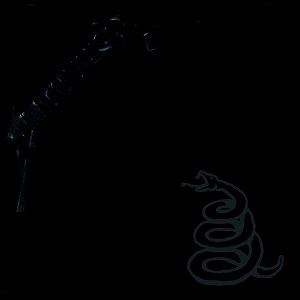
Metallica
Metallica
The Black Album strips back Metallica’s arrangements without sacrificing weight. “Enter Sandman,” “Sad but True” and “The Unforgiven” turned the band into a worldwide cultural force.
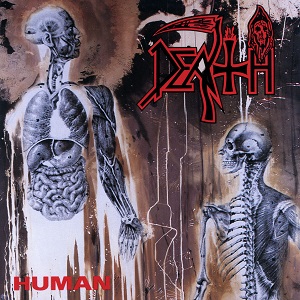
Death
Human
Chuck Schuldiner’s remarkable new lineup joins death-metal aggression to progressive precision. “Lack of Comprehension” and “Flattening of Emotions” set a new technical standard for the genre.
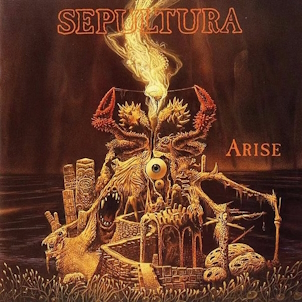
Sepultura
Arise
Sepultura expands the attack of Beneath the Remains with heavier production and a darker atmosphere. The title track, “Dead Embryonic Cells” and “Desperate Cry” are extreme-metal landmarks.
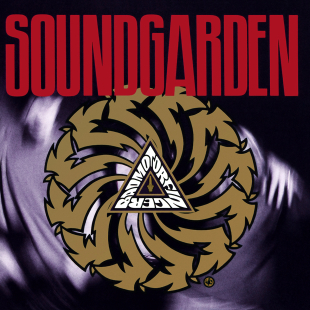
Soundgarden
Badmotorfinger
Chris Cornell’s astonishing voice rises above Kim Thayil’s twisted riffs and the band’s unusual rhythms. “Rusty Cage,” “Outshined” and “Jesus Christ Pose” connect metal with Seattle’s ascent.
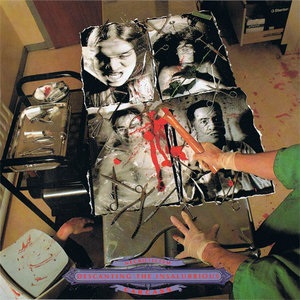
Carcass
Necroticism: Descanting the Insalubrious
Carcass develops its grindcore roots into intricate death metal filled with memorable riffs and carefully structured songs. Michael Amott’s arrival adds another powerful melodic voice.
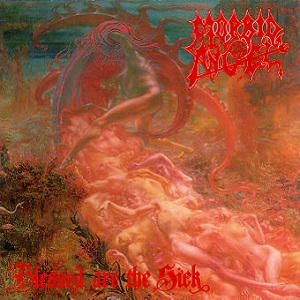
Morbid Angel
Blessed Are the Sick
Morbid Angel follows its ferocious debut with a darker and more varied record. Blast-beat speed, crawling doom and classical interludes create an atmosphere entirely its own.
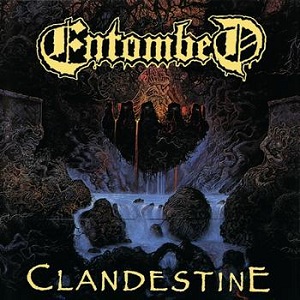
Entombed
Clandestine
Entombed refines the Sunlight Studio buzzsaw into a tighter and more adventurous second album. “Living Dead,” “Sinners Bleed” and “Stranger Aeons” keep Swedish death metal moving forward.
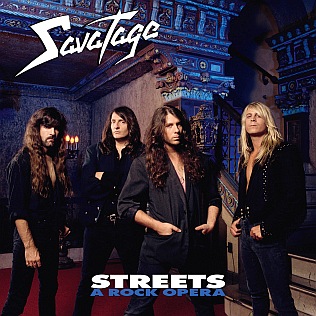
Savatage
Streets: A Rock Opera
Savatage turns the fall and redemption of D.T. Jesus into an emotional rock opera. Jon Oliva’s voice and Criss Oliva’s guitar make “Believe” a devastating finale.
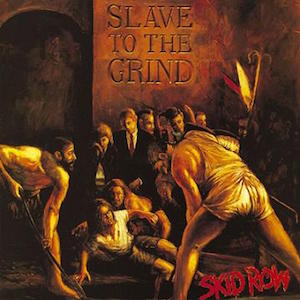
Skid Row
Slave to the Grind
Skid Row answers its successful debut with a tougher and less polished album. “Monkey Business,” “Quicksand Jesus” and the title track reveal a band determined to be taken seriously.
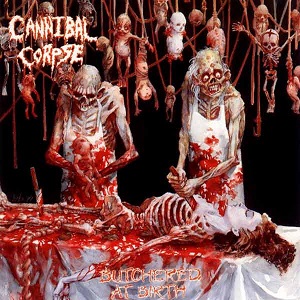
Cannibal Corpse
Butchered at Birth
Cannibal Corpse pushes death metal’s speed, guttural vocals and graphic imagery to new extremes. Its notorious artwork and relentless sound make it an underground milestone.
Ozzy Osbourne — No More Tears · Guns N’ Roses — Use Your Illusion I · Guns N’ Roses — Use Your Illusion II · Overkill — Horrorscope · Dismember — Like an Ever Flowing Stream · Armored Saint — Symbol of Salvation · Van Halen — For Unlawful Carnal Knowledge · Suffocation — Effigy of the Forgotten · Bolt Thrower — War Master · Fates Warning — Parallels
Three needles to drop
Defining songs of 1991
Ozzy Osbourne
“No More Tears”
Mike Inez’s ominous bass line, Zakk Wylde’s enormous guitar sound and Ozzy’s haunting melody build toward one of the strongest solos of Wylde’s career.
Metallica
“Enter Sandman”
A simple, sinister riff and unforgettable chorus become Metallica’s gateway to the mainstream and one of heavy metal’s most recognizable songs.
Soundgarden
“Jesus Christ Pose”
Matt Cameron’s relentless rhythm, Kim Thayil’s swirling guitar and Chris Cornell’s towering vocal performance create a furious alternative-metal landmark.
Reference shelf
Research notes
This chapter is original editorial writing cross-checked against artist discographies and established album histories. The ranking was arranged independently, while the songs and personal reflections represent The Metal Pit’s approved 1991 selections.
Next in the archive
1992: The underground takes command
Pantera, Alice in Chains, Faith No More, Dream Theater and Ministry redefine heaviness while Trouble, Suicidal Tendencies and White Zombie help make 1992 one of the decade’s most varied years.