Volume XXI · Metal enters a new decade
Chapter 01
The year in heavy music
Heavy metal entered the 1990s with its foundations shifting beneath it. The commercial hard-rock boom had not yet disappeared, but the underground was becoming heavier, more technical and increasingly international. Thrash reached one of its creative high points, death metal developed distinct American and European identities, power metal grew more ambitious and a Texas band found a crushing groove that would influence the entire decade.
Megadeth’s Rust in Peace was the year’s technical thrash summit. The arrival of guitarist Marty Friedman and drummer Nick Menza completed what many fans consider the band’s classic lineup. “Holy Wars… The Punishment Due,” “Hangar 18,” “Tornado of Souls” and “Five Magics” combined precision, speed and complex arrangements without losing their hooks. Dave Mustaine finally had musicians capable of realizing his most demanding ideas, and the result became one of thrash metal’s defining records.
Judas Priest answered the new generation with Painkiller. New drummer Scott Travis opened the title track with a thunderous double-bass assault, while Rob Halford delivered one of his most extreme vocal performances. Glenn Tipton and K.K. Downing sounded revitalized throughout “Night Crawler,” “A Touch of Evil” and “Between the Hammer & the Anvil.” Slayer’s Seasons in the Abyss found the ideal middle ground between the speed of Reign in Blood and the slower menace of South of Heaven. “War Ensemble,” “Dead Skin Mask” and the title track made it an immediate classic.
Anthrax became darker and more serious on Persistence of Time. Songs such as “Time,” “In My World” and “Keep It in the Family” replaced much of the band’s earlier humour with anxiety and social tension, while its cover of Joe Jackson’s “Got the Time” added a burst of nervous energy. Together, the Megadeth, Slayer and Anthrax albums formed one of thrash metal’s strongest single-year runs.
Pantera’s Cowboys from Hell signalled another change. Although technically the band’s fifth studio album, it was their major-label debut and effectively introduced the Pantera recognized by most metal fans. Dimebag Darrell’s enormous riffs, Vinnie Paul’s precise drumming, Rex Brown’s low-end power and Phil Anselmo’s commanding voice transformed “Cowboys from Hell,” “Domination” and “Cemetery Gates” into the foundation of groove metal.
Death metal was evolving just as quickly. Entombed’s debut Left Hand Path established the distorted buzzsaw guitar tone associated with the Swedish scene. Death’s Spiritual Healing moved Chuck Schuldiner toward more technical music and socially focused lyrics, aided by guitarist James Murphy. Obituary’s Cause of Death refined the swampy Florida sound with lead guitar from Murphy and a memorable cover of Celtic Frost’s “Circle of the Tyrants.”
Canada’s Annihilator avoided the usual second-album decline with Never, Neverland, pairing Jeff Waters’ precise riffs with new vocalist Coburn Pharr. Germany’s Blind Guardian expanded its speed-metal roots on Tales from the Twilight World, using fantasy literature, layered vocals and melodic guitar work to advance European power metal. Beyond this Top 10, Queensrÿche released the commercially successful Empire, Alice in Chains introduced a darker Seattle sound on Facelift, and albums from Testament, Kreator, Deicide, Cannibal Corpse and Suicidal Tendencies showed how many directions metal could now travel.
From the Pit
Blake’s Take
My top pick for 1990 is Pantera’s Cowboys from Hell. Anyone who has listened to The Metal Pit Podcast will know that I am not a big death-metal or black-metal fan. As metal moved into the 1990s, I became more selective about the styles and albums I followed. That is why I am not personally ranking these Top 10 lists, but Cowboys from Hell is unquestionably the album from this year that stands above the rest for me.
On the archive wall
Four moments that mattered
Filed under: a decade changes direction.
February 16, 1990
Death looks beyond horror
Spiritual Healing replaces much of Death’s earlier gore with social subjects and increasingly technical songwriting.
June 4, 1990
Sweden finds its buzzsaw
Entombed’s Left Hand Path establishes a filthy guitar sound and helps place Swedish death metal on the world map.
July 24, 1990
The cowboys arrive
Pantera’s major-label debut abandons the band’s glam past and lays the groundwork for groove metal’s rise.
September 24, 1990
Megadeth reaches its peak
Rust in Peace unveils the Friedman-Menza lineup and raises the standard for technical thrash metal.
The essential records
Top 10 albums of 1990
The Metal Pit’s studio-album ranking.
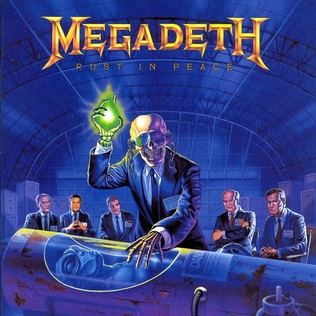
Megadeth
Rust in Peace
The classic Mustaine, Ellefson, Friedman and Menza lineup turns technical precision into gripping songs. “Holy Wars,” “Hangar 18” and “Tornado of Souls” make this a permanent thrash benchmark.
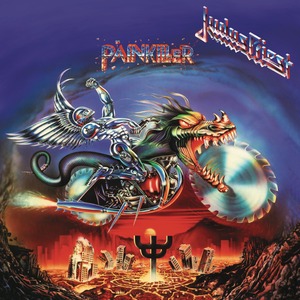
Judas Priest
Painkiller
Scott Travis’ explosive drumming pushes Priest into a faster and heavier new era. Rob Halford, Glenn Tipton and K.K. Downing respond with some of the most intense performances of their careers.
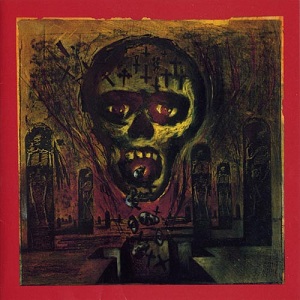
Slayer
Seasons in the Abyss
Slayer combines relentless speed with sinister atmosphere on “War Ensemble,” “Dead Skin Mask” and the title track. It is the perfect balance between the band’s two previous albums.
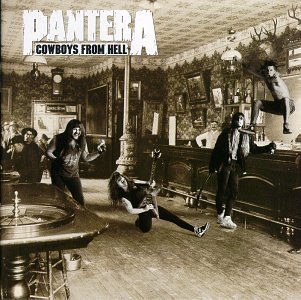
Pantera
Cowboys from Hell
Pantera reinvents itself through Dimebag Darrell’s massive riffs, Vinnie Paul’s locked-in drums and Phil Anselmo’s power. The title track, “Domination” and “Cemetery Gates” announce groove metal’s arrival.
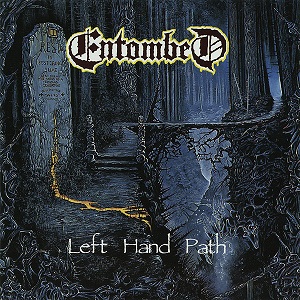
Entombed
Left Hand Path
A grinding buzzsaw guitar sound, punk energy and doom-laden atmosphere give Entombed’s debut an unmistakable identity. The title track became a blueprint for Swedish death metal.
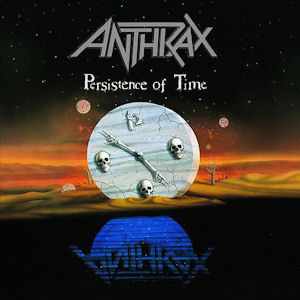
Anthrax
Persistence of Time
Anthrax trades much of its comic-book brightness for a darker and more mature thrash record. “Time,” “In My World” and “Keep It in the Family” give the album lasting weight.
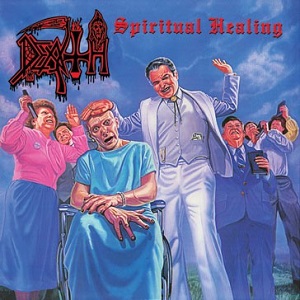
Death
Spiritual Healing
Chuck Schuldiner moves toward technical arrangements and real-world subjects, with James Murphy adding inspired lead guitar. The title track points directly toward Death’s progressive future.
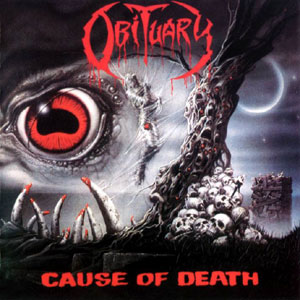
Obituary
Cause of Death
Obituary perfects its slow, swampy and brutally direct approach. John Tardy’s tortured vocals and James Murphy’s lead work give “Chopped in Half” and “Infected” enormous character.
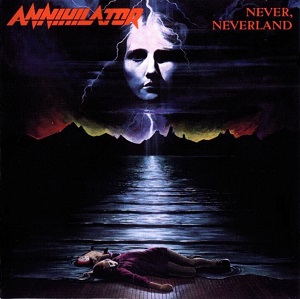
Annihilator
Never, Neverland
Jeff Waters sharpens Annihilator’s technical thrash while Coburn Pharr brings a strong melodic voice. “Road to Ruin,” “Stonewall” and the title track make it an excellent second album.
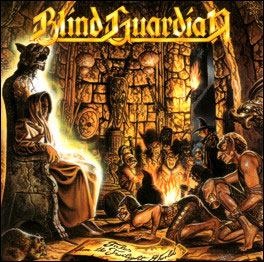
Blind Guardian
Tales from the Twilight World
Blind Guardian adds grand melodies, layered vocals and fantasy storytelling to its speed-metal foundation. “Traveler in Time” and “Lost in the Twilight Hall” help shape European power metal’s future.
Queensrÿche — Empire · Testament — Souls of Black · Kreator — Coma of Souls · Alice in Chains — Facelift · Suicidal Tendencies — Lights…Camera…Revolution! · Deicide — Deicide · Cannibal Corpse — Eaten Back to Life · Danzig — Danzig II: Lucifuge · Scorpions — Crazy World · Iron Maiden — No Prayer for the Dying
Three needles to drop
Defining songs of 1990
Pantera
“Cowboys from Hell”
Dimebag Darrell’s instantly recognizable riff and Phil Anselmo’s commanding chorus introduce a transformed Pantera ready to dominate the new decade.
Megadeth
“Holy Wars… The Punishment Due”
A maze of riffs, tempo changes and political anger demonstrates the extraordinary chemistry of Megadeth’s classic lineup.
Slayer
“Seasons in the Abyss”
A crawling opening and hypnotic central riff create one of Slayer’s most atmospheric songs before the tension erupts into a classic thrash finish.
Reference shelf
Research notes
This chapter is original editorial writing cross-checked against artist discographies and established album histories. The ranking was arranged independently, while the songs and personal reflections represent The Metal Pit’s approved 1990 selections.
Next in the archive
1991: Metal’s world is rewritten
Metallica reaches a massive new audience while Sepultura, Death, Entombed, Carcass and Morbid Angel push extreme metal forward. Savatage, Skid Row and Soundgarden represent other sides of a rapidly changing heavy-music landscape.