Volume XX · The underground rises
Chapter 01
The year in heavy music
Heavy metal ended the 1980s in a state of creative upheaval. Glam metal still commanded radio and MTV, but the year’s most lasting records often came from bands pushing beyond the decade’s familiar formulas. Thrash became more technical and mature, death metal established a powerful Florida stronghold, progressive ideas spread and alternative metal began opening doors that would become impossible to close.
Faith No More’s The Real Thing offered the year’s most unpredictable collision of styles. It was the band’s first album with Mike Patton, whose voice moved from rapid-fire verses and soaring melodies to theatrical howls. Billy Gould’s bass, Roddy Bottum’s keyboards, Jim Martin’s metallic guitar and Mike Bordin’s restless drums fused funk, rap, progressive rock and heavy metal. “From Out of Nowhere,” “Falling to Pieces,” “Surprise! You’re Dead!” and “Epic” made the album feel like a transmission from metal’s future.
Thrash remained a dominant force, but its leading records had distinct personalities. Sepultura’s Beneath the Remains gave the Brazilian band a clearer, harder production and an international breakthrough. “Inner Self” and the title track joined violent speed with precise arrangements. Overkill’s The Years of Decay combined East Coast aggression with longer, moodier compositions such as “Playing with Spiders/Skullkrusher” and the epic title track. Exodus brought humour and mosh-pit mayhem to Fabulous Disaster, especially on “The Toxic Waltz.”
Canada made a major contribution through Annihilator’s debut, Alice in Hell. Jeff Waters’ intricate guitar work drove “Alison Hell,” “W.T.Y.D.” and “Human Insecticide,” while Randy Rampage supplied the album’s unmistakable voice. Germany’s Kreator tightened its attack on Extreme Aggression, balancing Mille Petrozza’s fury with more controlled writing and a cleaner production. Testament’s Practice What You Preach, Nuclear Assault’s Handle with Care and Metal Church’s Blessing in Disguise made the year even deeper for thrash fans.
Death metal took an enormous step forward. Morbid Angel’s debut Altars of Madness turned speed, technical guitar work and occult atmosphere into a landmark of the genre. Obituary’s Slowly We Rot took a different route: primitive riffs, swampy production and John Tardy’s inhuman roar. Alongside albums from Bolt Thrower, Terrorizer and Pestilence, these records showed that extreme metal was developing several identities at once.
Savatage transformed on Gutter Ballet, mixing street-level heaviness with piano, drama and the progressive ambition that would increasingly define the band. Joe Satriani expanded instrumental guitar music on Flying in a Blue Dream, even adding his own vocals to several tracks. Elsewhere, W.A.S.P. grew darker on The Headless Children, while Aerosmith, Mötley Crüe, Skid Row and Badlands kept hard rock commercially powerful. The decade closed without a single dominant direction—and that was exactly what made 1989 so important.
From the Pit
Blake’s Take
My pick for 1989 would be Faith No More’s The Real Thing. From that album onward, Faith No More became one of my favourite bands—especially the records featuring Mike Patton. Thrash was still my favourite genre, and 1989 delivered several classics from Overkill, Testament and Exodus, along with an outstanding Canadian debut from Annihilator. It was a great year for the style, even as Faith No More was showing just how far heavy music could stretch.
On the archive wall
Four moments that mattered
Filed under: the underground takes over.
January 30, 1989
Exodus starts the waltz
Fabulous Disaster gives thrash one of its great crowd anthems as “The Toxic Waltz” celebrates the chaos of the pit.
April 1989
Brazil breaks through
Beneath the Remains introduces Sepultura’s increasingly precise attack to a much wider international audience.
June 20, 1989
Mike Patton arrives
Faith No More releases its first album with Patton and creates a strange, heavy fusion that refuses to fit inside one genre.
1989
Florida death metal erupts
Morbid Angel and Obituary deliver landmark debuts as the Tampa-area scene becomes one of extreme metal’s vital centres.
The essential records
Top 10 albums of 1989
The Metal Pit’s studio-album ranking.
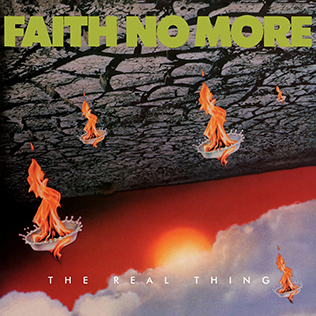
Faith No More
The Real Thing
Mike Patton’s first Faith No More album throws funk, rap, keyboards, progressive rock and muscular metal into one fearless mix. “Epic,” “From Out of Nowhere” and “Falling to Pieces” helped redraw heavy music’s boundaries.
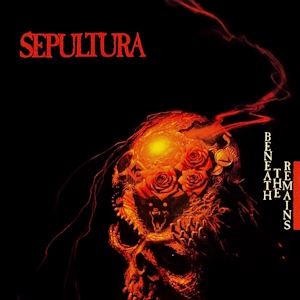
Sepultura
Beneath the Remains
Sepultura combines raw Brazilian intensity with tighter songwriting and a powerful Scott Burns production. The title track, “Inner Self” and “Mass Hypnosis” announce the band as an international thrash force.
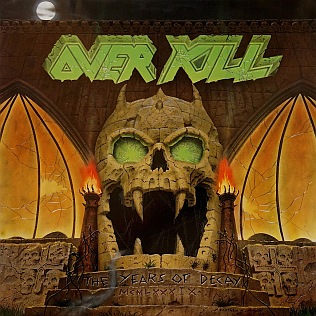
Overkill
The Years of Decay
Overkill balances vicious speed with longer, darker arrangements on one of its strongest albums. “Elimination,” “I Hate,” “Skullkrusher” and the title track show the full range of the New Jersey thrashers.
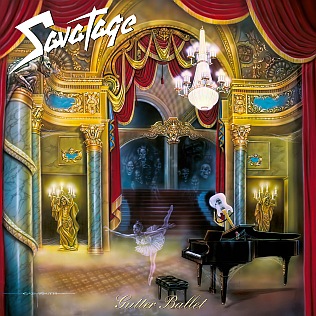
Savatage
Gutter Ballet
Piano, theatrical drama and progressive ambition reshape Savatage without sacrificing the band’s heavy-metal power. The title track, “When the Crowds Are Gone” and “Hounds” point toward its future.
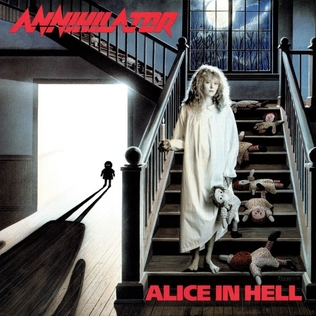
Annihilator
Alice in Hell
Jeff Waters’ razor-sharp riffs and technical precision give Canada another major thrash contender. Randy Rampage’s distinctive performance lifts “Alison Hell,” “W.T.Y.D.” and the frantic “Human Insecticide.”
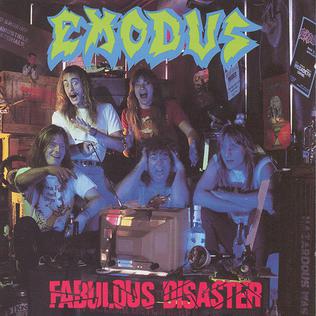
Exodus
Fabulous Disaster
Exodus delivers sharp riffs, gang vocals and a wicked sense of humour. “The Toxic Waltz,” “The Last Act of Defiance” and the title track make this a defining Bay Area thrash record.
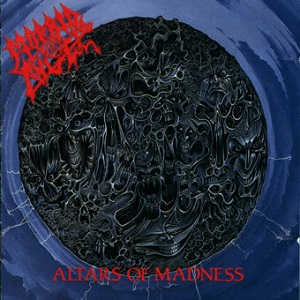
Morbid Angel
Altars of Madness
Trey Azagthoth’s twisting guitar work, Pete Sandoval’s speed and David Vincent’s commanding voice make this debut a death-metal landmark. “Immortal Rites” and “Maze of Torment” remain genre standards.
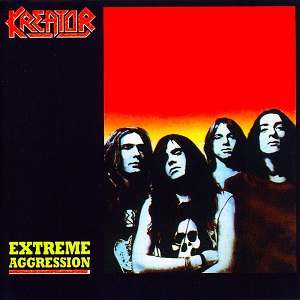
Kreator
Extreme Aggression
A clearer production gives Kreator’s attack even greater impact without polishing away its fury. “Betrayer,” “Some Pain Will Last” and the title track capture German thrash at full strength.
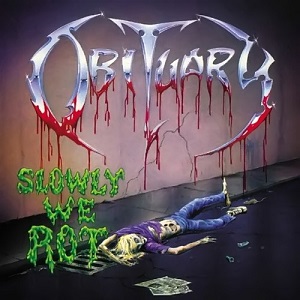
Obituary
Slowly We Rot
John Tardy’s tortured roar and Trevor Peres’ primitive, swamp-heavy riffs give Obituary an identity of its own. The title track and “Internal Bleeding” helped define the emerging Florida death-metal sound.
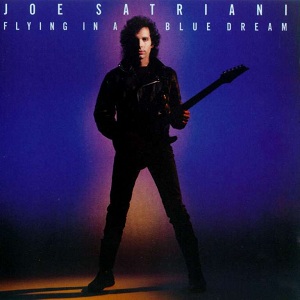
Joe Satriani
Flying in a Blue Dream
Satriani follows his breakthrough with an expansive record that moves from dazzling instrumentals to vocal experiments. The title track remains one of his most expressive and recognizable guitar performances.
Testament — Practice What You Preach · Metal Church — Blessing in Disguise · Nuclear Assault — Handle with Care · W.A.S.P. — The Headless Children · King Diamond — Conspiracy · Badlands — Badlands · Mötley Crüe — Dr. Feelgood · Skid Row — Skid Row · Aerosmith — Pump · Bolt Thrower — Realm of Chaos
Three needles to drop
Defining songs of 1989
Faith No More
“Epic”
A huge bass line, rap-influenced verses, metallic guitar and an unforgettable piano ending turn Faith No More’s strange mixture into a defining alternative-metal anthem.
Exodus
“The Toxic Waltz”
Exodus converts mosh-pit chaos into a gleeful thrash singalong, complete with crushing riffs, gang vocals and instructions for anyone brave enough to enter the pit.
Sepultura
“Inner Self”
A grinding central riff and Max Cavalera’s defiant delivery capture Sepultura’s leap from the underground toward worldwide recognition.
Reference shelf
Research notes
This chapter is original editorial writing cross-checked against artist discographies and established album histories. The ranking, songs and personal reflections represent The Metal Pit’s approved 1989 selections.
Next in the archive
1990: Metal enters a new decade
Megadeth, Judas Priest, Slayer, Pantera and Anthrax open the 1990s with landmark albums while Death, Entombed and Obituary push extreme metal further underground.