Volume XIX · Metal fractures and flourishes
Chapter 01
The year in heavy music
Heavy metal entered 1988 at full commercial strength, but its most important artists were not standing still. Thrash bands expanded their arrangements, progressive metal delivered a landmark concept album, death metal evolved rapidly and European power metal reached a melodic peak. The year’s best records showed how far metal could stretch without breaking its connection to powerful riffs.
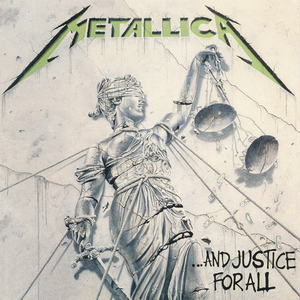
Metallica’s …And Justice for All introduced Jason Newsted on bass and pushed the band toward its most complex songwriting. “Blackened,” the title track and “Harvester of Sorrow” used shifting time signatures and long structures to explore environmental destruction, political corruption and war. “One” became Metallica’s first music video, combining the song with images from Johnny Got His Gun. Its growing success carried the band toward arenas, although the album’s nearly inaudible bass would remain one of metal’s most debated production decisions.
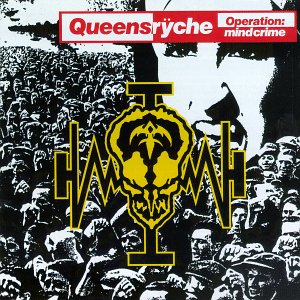
Queensrÿche created an even more unified statement with Operation: Mindcrime. The story of Nikki, a disillusioned addict manipulated into political assassination, unfolded through recurring characters, sound effects and tightly connected songs. Geoff Tate’s performance and the twin guitars of Chris DeGarmo and Michael Wilton turned “Revolution Calling,” “Speak,” “Eyes of a Stranger” and “Suite Sister Mary” into a progressive-metal landmark.
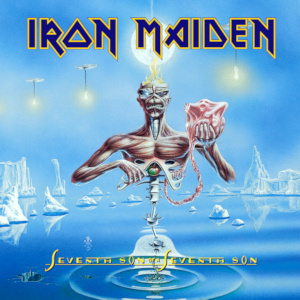
Iron Maiden returned to a full concept on Seventh Son of a Seventh Son. The synthesizers introduced on Somewhere in Time now supported a darker supernatural story, while “Moonchild,” “Infinite Dreams,” “The Evil That Men Do” and the title track balanced accessibility with ambition. Helloween completed its own defining story with Keeper of the Seven Keys: Part II. “Eagle Fly Free,” “Dr. Stein,” “I Want Out” and the epic title track made the album a foundation of European power metal.
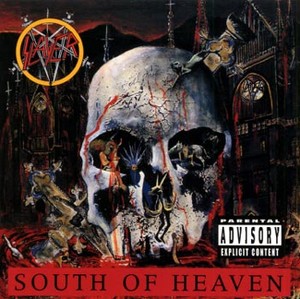
Thrash continued to branch outward. Slayer deliberately slowed portions of South of Heaven, creating menace through space and control rather than constant speed. Testament’s The New Order refined the band’s melodic Bay Area attack, while Megadeth’s raw So Far, So Good… So What! introduced “In My Darkest Hour.” Germany’s Destruction became more technical on Release from Agony, and Overkill delivered another muscular East Coast record with Under the Influence.
The extreme and progressive underground also made enormous advances. Death’s Leprosy gave Chuck Schuldiner a stronger lineup and production, turning “Pull the Plug” and the title track into death-metal standards. Voivod’s Dimension Hatröss created a dissonant science-fiction world unlike any other thrash album. Outside this Top 10, Suicidal Tendencies fused thrash, punk and melody on How Will I Laugh Tomorrow When I Can’t Even Smile Today, while Ozzy Osbourne introduced guitarist Zakk Wylde on No Rest for the Wicked. By year’s end, metal was not one genre but an expanding universe.
From the Pit
Blake’s Take
Helloween’s Keeper of the Seven Keys: Part II would be my top album of 1988. Several other records I loved that did not make this Top 10 still rank very highly for me, especially Suicidal Tendencies’ How Will I Laugh Tomorrow When I Can’t Even Smile Today and Overkill’s Under the Influence. Ozzy Osbourne’s No Rest for the Wicked is also my favourite Ozzy album that does not feature Randy Rhoads. It introduced Zakk Wylde and remains one of the albums from this year that I revisit most often.
On the archive wall
Four moments that mattered
Filed under: ambition takes control.
April 11, 1988
Maiden completes the prophecy
Seventh Son of a Seventh Son joins supernatural storytelling, keyboards and classic Maiden guitar harmonies.
May 1988
Mindcrime unfolds
Queensrÿche releases a fully realized political concept album that becomes a permanent progressive-metal standard.
September 7, 1988
Justice reaches the arena
Metallica’s first full album with Jason Newsted transforms progressive thrash into a major commercial force.
1988
Death metal evolves
Leprosy moves Death beyond the debut’s primitive horror and toward sharper musicianship and more serious writing.
The essential records
Top 10 albums of 1988
The Metal Pit’s studio-album ranking.
Metallica
…And Justice for All
Metallica builds its most intricate album from long arrangements, sharp tempo changes and bleak themes. “Blackened,” “Harvester of Sorrow,” “One” and the title track carry thrash toward progressive territory and arena-sized success.
Queensrÿche
Operation: Mindcrime
A political conspiracy, addiction and doomed romance unfold across one of metal’s most complete concept albums. Geoff Tate’s voice and Chris DeGarmo’s writing give the ambitious story genuine emotional force.
Iron Maiden
Seventh Son of a Seventh Son
Maiden turns prophecy and supernatural power into a cohesive concept album. “Moonchild,” “Infinite Dreams,” “The Evil That Men Do” and the epic title track close the band’s classic eighties run in grand style.
Slayer
South of Heaven
Slayer follows Reign in Blood by slowing the attack and allowing atmosphere to create dread. The title track, “Silent Scream,” “Mandatory Suicide” and “Spill the Blood” prove restraint can be equally brutal.
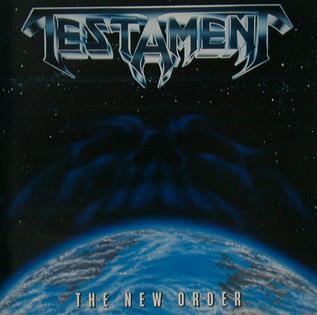
Testament
The New Order
Testament quickly follows its debut with sharper production and increasingly melodic songwriting. “Into the Pit,” “Trial by Fire,” “Disciples of the Watch” and the title track make it a Bay Area thrash essential.
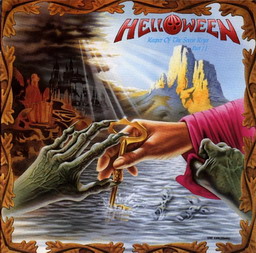
Helloween
Keeper of the Seven Keys: Part II
Helloween completes its classic Keeper era with speed, humour, soaring choruses and remarkable musicianship. “Eagle Fly Free,” “Dr. Stein,” “I Want Out” and the title epic define European power metal.
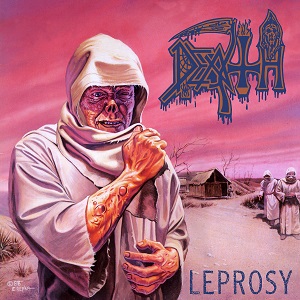
Death
Leprosy
Chuck Schuldiner moves beyond the debut with heavier production, stronger musicianship and more focused songwriting. “Born Dead,” “Pull the Plug,” “Left to Die” and the title track become death-metal foundations.
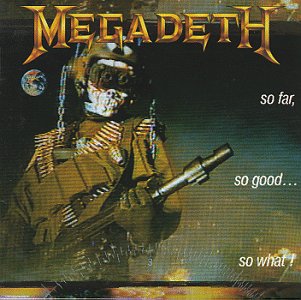
Megadeth
So Far, So Good… So What!
A turbulent lineup produces a raw and hostile Megadeth record. “Set the World Afire,” “Hook in Mouth” and the emotionally charged “In My Darkest Hour” rise above the album’s abrasive production.
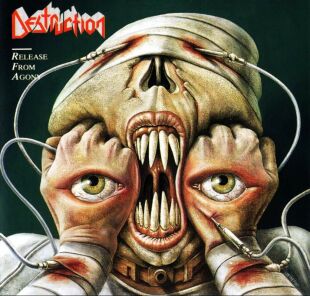
Destruction
Release from Agony
Destruction pushes German thrash toward more technical and progressive arrangements without losing its bite. “Beyond Eternity,” “Sign of Fear” and the title track reveal a band determined to advance.
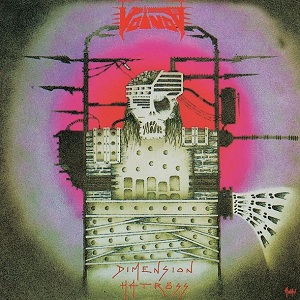
Voivod
Dimension Hatröss
The Quebec band constructs a dissonant science-fiction universe from strange chords, mechanical rhythms and progressive structures. “Tribal Convictions” and “Brain Scan” sound unlike anything else released that year.
Suicidal Tendencies — How Will I Laugh Tomorrow When I Can’t Even Smile Today · Overkill — Under the Influence · Ozzy Osbourne — No Rest for the Wicked · Anthrax — State of Euphoria · Danzig — Danzig · Crimson Glory — Transcendence · Sanctuary — Refuge Denied · Blind Guardian — Battalions of Fear · Riot — Thundersteel · King Diamond — “Them”
Three needles to drop
Defining songs of 1988
Metallica
“One”
A clean, haunted opening grows into machine-gun rhythm guitar and a frantic climax, turning an anti-war nightmare into Metallica’s first video and a defining song.
Slayer
“South of Heaven”
A slow, descending riff creates suffocating tension before the band increases the pressure, proving Slayer does not require constant speed to sound terrifying.
Death
“Pull the Plug”
A memorable opening riff and Chuck Schuldiner’s increasingly thoughtful lyrics transform a brutal song about choosing death into an enduring death-metal anthem.
Reference shelf
Research notes
This chapter is original editorial writing cross-checked against official artist discographies and band histories. The ranking, songs and personal reflections represent The Metal Pit’s approved 1988 selections.
Next in the archive
1989: A decade reaches its summit
Faith No More changes the possibilities of alternative metal while Sepultura, Overkill, Testament, Exodus, Kreator and Annihilator deliver some of the decade’s strongest thrash and extreme-metal records.