Volume XII · The underground catches fire
Chapter 01
The year in heavy music
After the landmark releases of 1980, heavy metal spent 1981 expanding in every direction. The New Wave of British Heavy Metal became an international force, established stars consolidated new lineups and younger American bands began creating scenes of their own. Traditional metal, progressive hard rock, raw underground extremity and the first stirrings of Los Angeles glam metal could now exist side by side.
Iron Maiden’s Killers brought producer Martin Birch and guitarist Adrian Smith into the band. Birch gave the music greater weight and clarity, while Smith’s partnership with Dave Murray strengthened Maiden’s twin-guitar identity. “Wrathchild,” “Murders in the Rue Morgue” and the dramatic title track sounded darker and more controlled than the debut. It was also Paul Di’Anno’s final studio album with Maiden, ending the group’s streetwise first era before Bruce Dickinson’s arrival.
Ozzy Osbourne and Randy Rhoads deepened their partnership on Diary of a Madman. “Over the Mountain,” “Flying High Again” and the title track balanced accessible choruses with Rhoads’ classical phrasing and increasingly ambitious arrangements. It became Rhoads’ final studio album with Ozzy before his death in 1982. Black Sabbath answered with Mob Rules, its second album with Ronnie James Dio and first with drummer Vinny Appice. “Turn Up the Night,” “The Sign of the Southern Cross” and “Falling Off the Edge of the World” proved that Heaven and Hell had begun a sustainable new era.
Rush reached its ideal balance of progressive musicianship and concise songwriting on Moving Pictures. “Tom Sawyer,” “Red Barchetta,” “YYZ” and “Limelight” became permanent rock-radio and concert staples. Fellow Canadians Triumph delivered its commercial breakthrough with Allied Forces. “Magic Power” and “Fight the Good Fight” joined Rik Emmett’s guitar work to enormous arena-ready choruses, while “Allied Forces” and “Ordinary Man” supplied the heavier edge.
At the opposite end of the production spectrum, Venom’s debut Welcome to Hell sounded raw, violent and proudly hostile. Cronos, Mantas and Abaddon pushed Motörhead’s speed and distortion toward imagery and extremity that would influence thrash, black and death metal. The recording was primitive, but its atmosphere became part of its importance. Venom demonstrated that underground metal did not need permission—or an expensive studio—to create its own world.
AC/DC followed Back in Black with For Those About to Rock We Salute You. The title track’s slow build and cannon fire became a permanent concert finale. Saxon celebrated the community surrounding the New Wave of British Heavy Metal on Denim and Leather, an album filled with road-tested anthems including “Princess of the Night,” “Never Surrender” and its title track.
New York’s Riot released Fire Down Under after its original label considered the record too heavy. “Swords and Tequila,” “Outlaw” and the title track rewarded that refusal to compromise and helped define early American metal. In Los Angeles, Mötley Crüe independently released Too Fast for Love, mixing punk energy, glam image and hard-rock riffs into an early Sunset Strip blueprint.
Girlschool also earned an essential place in the year’s story. Hit and Run reached the British Top 10 with direct songs such as “C’mon Let’s Go” and the title track. Their collaboration with Motörhead as Headgirl produced the St. Valentine’s Day Massacre EP. Motörhead itself released No Sleep ’til Hammersmith, a ferocious live document, while Def Leppard’s Mutt Lange-produced High ’n’ Dry pointed toward a more polished future. From underground clubs to arena cannons, heavy metal’s great expansion was fully underway.
From the Pit
Blake’s Take
As the years move forward and more great studio albums appear, live records will probably find it harder to make my Top 10. However, I have to mention Motörhead’s No Sleep ’til Hammersmith, because it was my introduction to the band. I probably bought it in 1982 simply because I thought Motörhead was a great band name and decided I needed to check them out. I loved it. Killers would be my top album of 1981, while Ozzy and Black Sabbath also released great records. My Canadian ears have a special love for Triumph’s Allied Forces as well. It remains my favourite Triumph album.
On the archive wall
Four moments that mattered
Filed under: metal multiplies.
February 1981
Maiden sharpens its blade
Martin Birch and Adrian Smith help make Killers heavier, darker and more precise.
April 1981
Girlschool hits the British Top 10
Hit and Run gives the all-woman British metal band its greatest commercial success.
December 1981
Venom welcomes the extreme
A raw debut helps provide the sound and imagery later embraced by thrash, black and death metal.
Los Angeles
The Sunset Strip begins to stir
Mötley Crüe’s independent debut establishes an early combination of metal, punk and glam spectacle.
The essential records
Top 10 albums of 1981
The Metal Pit’s approved ranking.
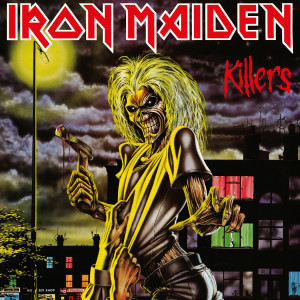
Iron Maiden
Killers
Martin Birch’s production and Adrian Smith’s arrival give Maiden a heavier and more precise attack. “Wrathchild,” “Murders in the Rue Morgue” and the title track make Paul Di’Anno’s final album with the band a dark, urgent classic.
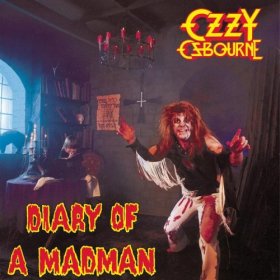
Ozzy Osbourne
Diary of a Madman
Randy Rhoads expands the classical imagination introduced on Blizzard of Ozz. “Over the Mountain,” “Flying High Again” and the title track combine memorable hooks with ambitious guitar work on Rhoads’ final Ozzy studio album.
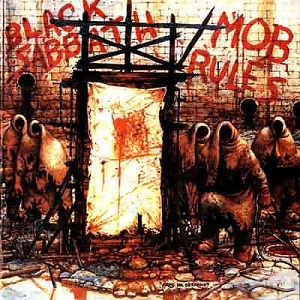
Black Sabbath
Mob Rules
Ronnie James Dio’s second Sabbath album is darker and more forceful than its predecessor. Vinny Appice brings a huge drum sound to “Turn Up the Night,” “The Sign of the Southern Cross” and “Falling Off the Edge of the World.”
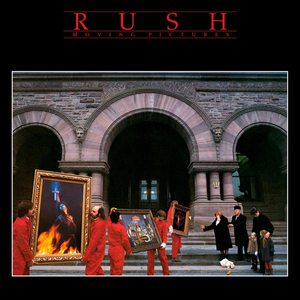
Rush
Moving Pictures
Rush finds the perfect balance between progressive complexity and concise songwriting. “Tom Sawyer,” “Red Barchetta,” “YYZ” and “Limelight” make the album the Canadian trio’s most widely recognized studio statement.
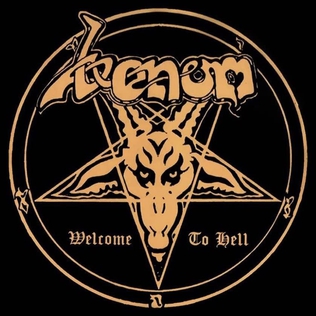
Venom
Welcome to Hell
Crude production becomes an advantage as Venom creates a world of speed, distortion and forbidden imagery. “Sons of Satan,” “In League with Satan” and the title track become foundational texts for extreme metal.
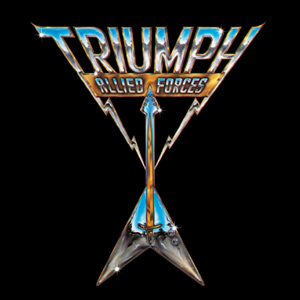
Triumph
Allied Forces
Triumph’s commercial peak joins Rik Emmett’s guitar work and soaring voice to arena-sized production. “Magic Power,” “Fight the Good Fight” and the title track make it one of Canadian hard rock’s defining albums.
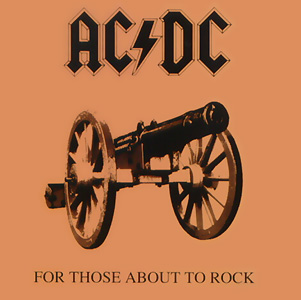
AC/DC
For Those About to Rock We Salute You
AC/DC follows an impossible-to-match success with a heavier and more deliberate album. “Let’s Get It Up,” “Evil Walks” and the cannon-powered title track give the Brian Johnson era another enduring statement.
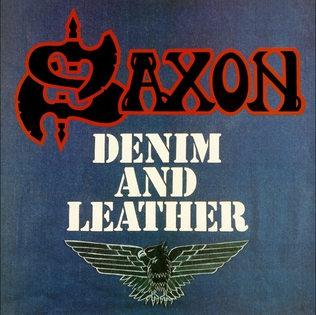
Saxon
Denim and Leather
Saxon celebrates the fans and bands that built the New Wave of British Heavy Metal. “Princess of the Night,” “Never Surrender” and the title track turn shared experience into durable metal anthems.
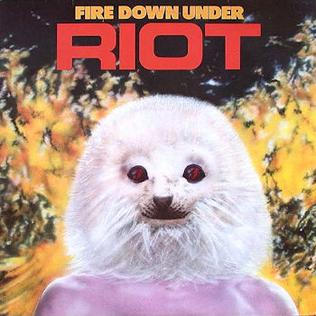
Riot
Fire Down Under
Riot answers label rejection with one of early American metal’s finest albums. Guy Speranza’s voice and the guitars of Mark Reale and Rick Ventura drive “Swords and Tequila,” “Outlaw” and the explosive title track.
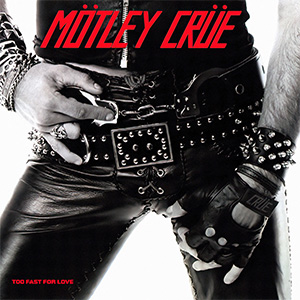
Mötley Crüe
Too Fast for Love
Initially released independently, Mötley Crüe’s debut combines punk momentum, glam presentation and Sunset Strip sleaze. “Live Wire,” “Take Me to the Top” and the title track establish an early blueprint for the decade’s Los Angeles metal explosion.
Motörhead — No Sleep ’til Hammersmith · Girlschool — Hit and Run · Def Leppard — High ’n’ Dry · Judas Priest — Point of Entry · Rainbow — Difficult to Cure
Three needles to drop
Defining songs of 1981
Iron Maiden
“Killers”
A stalking bass line, restrained guitar tension and Paul Di’Anno’s dramatic vocal turn the title track into one of early Maiden’s darkest performances. The song sounds theatrical without losing the band’s street-level danger.
Saxon
“Denim and Leather”
Saxon turns the rise of British metal into a tribute to the listeners who made it possible. Its simple question—were you there?—gave the New Wave of British Heavy Metal its community anthem.
Riot
“Swords and Tequila”
Mark Reale’s opening guitar figure launches a fast, melodic American metal anthem. Guy Speranza’s commanding voice and the band’s twin-guitar drive make it an immediate invitation to Fire Down Under.
Reference shelf
Research notes
This chapter is original editorial writing cross-checked against official artist histories, discographies and archival release information. The rankings and personal selections reflect The Metal Pit’s approved 1981 list.
Next in the archive
1982: The beast is unleashed
Iron Maiden releases The Number of the Beast, Judas Priest comes Screaming for Vengeance, and bands including Venom, Accept, Anvil and Twisted Sister push metal toward a louder future.