Volume VIII · Steel, speed and street power
Chapter 01
The year in heavy music
By 1977, heavy music was living two lives at once. In the arenas, hard rock had become one of the decade’s dominant forms, with louder productions, larger stages and songs designed to reach the back row. Beneath that success, however, a harder edge was gathering. Judas Priest were refining metal into steel, Motörhead were erasing the line between metal and punk, and Riot were proving that an American underground band could already sound ready for the next decade. The year’s records captured both worlds: established giants at full power and the future arriving early.
AC/DC turned pressure into fuel on Let There Be Rock. After their American label rejected Dirty Deeds Done Dirt Cheap, the band entered Albert Studios determined to make the most direct guitar record it could. Malcolm Young’s rhythm playing leaves no unnecessary space, Angus attacks every solo and Bon Scott sounds permanently amused by danger. “Dog Eat Dog,” “Bad Boy Boogie,” “Whole Lotta Rosie” and the title track transformed rock-and-roll mythology into something physical. It was also bassist Mark Evans’ final album with the band, closing one chapter just as AC/DC’s international rise accelerated.
Thin Lizzy’s Bad Reputation found strength in instability. Brian Robertson’s reduced involvement left Phil Lynott, Scott Gorham and Brian Downey carrying most of the sessions, yet the album feels focused rather than diminished. UFO reached a similar balance of muscle and sophistication on Lights Out. Michael Schenker’s guitar, Phil Mogg’s voice and Paul Raymond’s keyboards and rhythm guitar made “Too Hot to Handle,” “Lights Out” and “Love to Love” part of the band’s most complete studio statement.
American hard rock filled arenas without settling on one formula. Ted Nugent’s Cat Scratch Fever was built around blunt guitar hooks and the vocal presence of Derek St. Holmes. KISS delivered Love Gun at the height of the original lineup’s popularity, combining the title anthem, “Christine Sixteen” and Ace Frehley’s first lead vocal on “Shock Me.” Styx broke through with The Grand Illusion, joining progressive arrangements and layered harmonies to radio-sized hooks such as “Come Sail Away” and “Fooling Yourself.”
The metal underground was becoming easier to recognize. Judas Priest’s Sin After Sin was the band’s first major-label album and a decisive step toward the speed and precision that would define British metal. In New York, Riot’s independently released Rock City fused melody, street toughness and Mark Reale’s sharp guitar work. Motörhead’s self-titled debut connected metal volume to punk velocity, creating a sound that neither audience could comfortably contain.
The Runaways also demanded a place in the story. Queens of Noise pushed their hard rock closer to punk urgency, powered by Joan Jett, Lita Ford, Cherie Currie, Jackie Fox and Sandy West. A successful Japanese tour produced Live in Japan, and after Currie and Fox departed, Jett moved to lead vocals for Waitin’ for the Night later in the year. Their run was short, but their visibility and guitar-driven defiance opened doors for generations of women in hard rock, punk and metal.
Canada supplied two very different statements. Triumph’s original Canadian edition of Rock & Roll Machine presented Rik Emmett, Gil Moore and Mike Levine as a technically ambitious power trio. Rush travelled to Rockfield Studios in Wales for A Farewell to Kings, expanding the progressive world established by 2112. The arenas were larger than ever, but the next metal revolution was already rattling the doors.
From the Pit
Blake’s Take
The Canadian in me has a special fondness for Triumph’s Rock & Roll Machine, but my number-one album for 1977 has to be AC/DC’s Let There Be Rock. I was always more of a Triumph fan than a Rush fan, so even with A Farewell to Kings appearing in the Top 10, it is Triumph’s record that holds the stronger personal connection for me. Both bands became important parts of Canadian rock history, but my loyalties in this particular rivalry have always been clear.
On the archive wall
Four moments that mattered
Filed under: the gathering storm.
March 1977
AC/DC turns defiance into voltage
Let There Be Rock captures the Bon Scott lineup at its rawest and gives AC/DC its first truly monumental studio statement.
April 1977
Priest enters its major-label era
Sin After Sin sharpens the twin-guitar attack and pushes British heavy metal toward greater speed and precision.
August 1977
Motörhead opens the throttle
The band’s self-titled debut joins metal volume to punk velocity and creates a sound that refuses to stay in either camp.
New cities
Riot rises; Triumph accelerates
Rock City emerges from New York while Rock & Roll Machine gives Toronto a new power-trio landmark.
The essential records
Top 10 albums of 1977
The Metal Pit’s selected ranking.
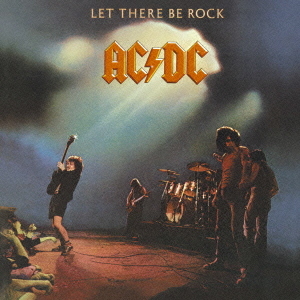
AC/DC
Let There Be Rock
AC/DC reduces hard rock to riffs, rhythm, sweat and attitude, then plays as though the band’s survival depends on it. “Whole Lotta Rosie,” “Dog Eat Dog” and the title track turn Bon Scott’s wit and the Young brothers’ guitar chemistry into an electrifying declaration of purpose.
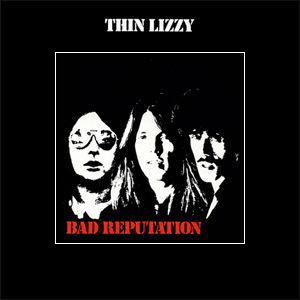
Thin Lizzy
Bad Reputation
A leaner Thin Lizzy thrives under pressure. Phil Lynott’s writing moves from the fearless title track to the romantic glow of “Dancing in the Moonlight,” while Scott Gorham and Brian Downey keep the album agile, melodic and tough.
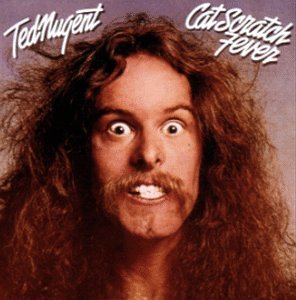
Ted Nugent
Cat Scratch Fever
Nugent’s third solo album lands its punches through enormous, simple guitar hooks and the vocal authority of Derek St. Holmes. The title track is the permanent calling card, while “Home Bound” and “Out of Control” maintain the album’s dry, aggressive force.
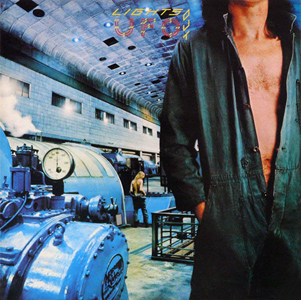
UFO
Lights Out
UFO finds the ideal meeting point between Michael Schenker’s guitar fire and producer Ron Nevison’s expanded arrangements. “Too Hot to Handle” and the title track strike immediately, while “Love to Love” builds toward genuine grandeur.
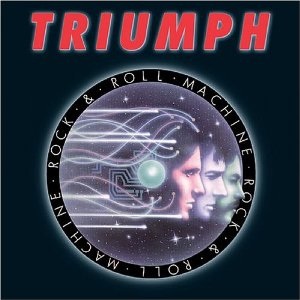
Triumph
Rock & Roll Machine
The original Canadian release presents Triumph as a power trio with arena-sized ambitions already intact. Rik Emmett’s voice and guitar heroics, Gil Moore’s muscular attack and Mike Levine’s grounding bass make the title track an early showcase.
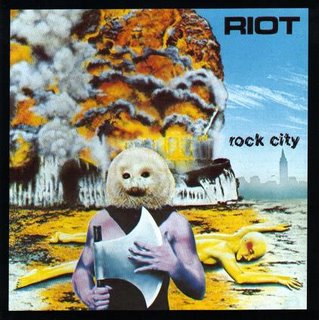
Riot
Rock City
Riot’s independent debut is a crucial piece of early American metal. Guy Speranza’s voice carries melody without softening the attack, and Mark Reale’s guitar drives “Warrior,” “Rock City” and “Overdrive” with urgency.
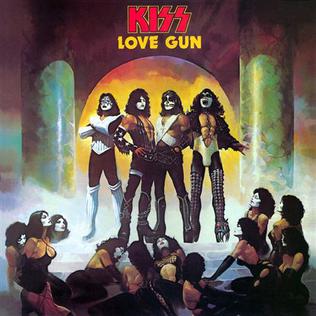
KISS
Love Gun
The original KISS lineup reaches its studio-era commercial peak with a colourful collection built for the stage. The title track is Paul Stanley at his most commanding, while “Shock Me” puts Ace Frehley behind the lead microphone for the first time.
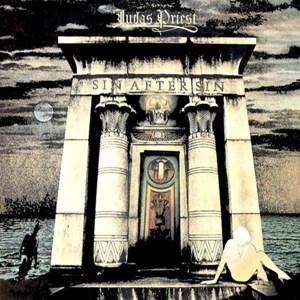
Judas Priest
Sin After Sin
Priest’s first major-label album strips away more of the remaining blues and progressive fog. “Sinner,” “Call for the Priest” and “Dissident Aggressor” make speed and precision central to the band’s developing sound.
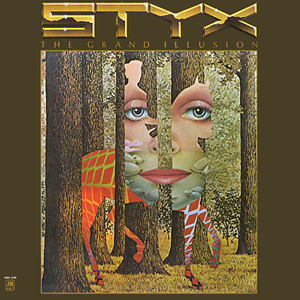
Styx
The Grand Illusion
Styx turns progressive scale into a breakthrough without losing the guitars. “Come Sail Away” moves from piano reflection to arena release, “Fooling Yourself” twists through shifting rhythms and “Miss America” supplies the album’s heaviest edge.
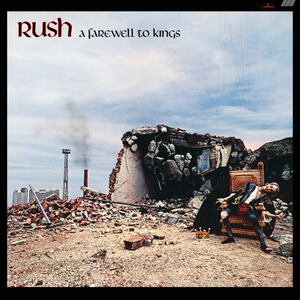
Rush
A Farewell to Kings
Recorded at Rockfield Studios in Wales, Rush’s fifth album expands the trio’s palette with synthesizers and twelve-string guitars. “Xanadu” and “Cygnus X-1” chase grand ideas, while “Closer to the Heart” makes the band’s philosophy concise and memorable.
Motörhead — Motörhead · Scorpions — Taken by Force · The Runaways — Queens of Noise · Cheap Trick — In Color
Three needles to drop
Defining songs of 1977
AC/DC
“Let There Be Rock”
Bon Scott rewrites the creation myth as rock-and-roll gospel while Malcolm Young locks onto an unstoppable rhythm and Angus turns the closing stretch into controlled electrical failure.
Triumph
“Rock & Roll Machine”
Triumph’s early signature begins as a driving anthem and opens into Rik Emmett’s extended guitar showcase. Classical precision, power-trio force and arena ambition meet in one song.
Ted Nugent
“Cat Scratch Fever”
One clipped guitar figure does nearly all the necessary work. Nugent’s riff is immediate and physical, while Derek St. Holmes gives the track its confident vocal centre.
Reference shelf
Research notes
This chapter is original editorial writing cross-checked against official artist histories, discographies and archival release information. The rankings reflect The Metal Pit’s selected 1977 albums and songs. Rock & Roll Machine is filed according to its original 1977 Canadian release.
Next in the archive
1978: Heavy metal prepares for takeoff
Van Halen changes the language of hard-rock guitar while Rainbow, AC/DC and Judas Priest deliver defining records. Live albums also capture the raw power of the era at full volume.