Heavy metal entered 1971 with a name, a centre and plenty of unfinished business. Black Sabbath had supplied the defining rupture, but the style was still tangled productively with hard rock, heavy blues, psychedelia and progressive rock. Rather than settle into rules, musicians pushed outward. Some went lower and slower, some faster and more technical, and others discovered that menace could share a stage with melody, fantasy or theatre. Heaviness stopped sounding like an accident and became a deliberate artistic choice.
Master of Reality was the year’s gravitational event. Tony Iommi and Geezer Butler tuned down, giving the guitar and bass a looser, deeper physical pull that would echo through doom, stoner metal, sludge and grunge. “Children of the Grave” added a charging pulse beneath its anti-war warning; “Into the Void” seemed to move in geological time; and “Sweet Leaf” turned a cough into an entrance. The album was concise, but its afterlife was enormous. Sabbath were no longer merely inventing heavy metal song by song—they were revealing entire future subgenres.
Led Zeppelin IV approached power from a different angle. “Black Dog” twisted a stop-start riff around Robert Plant’s vocal, “Rock and Roll” celebrated the source music, and “Stairway to Heaven” made the slow build from acoustic intimacy to electric release a permanent part of rock’s vocabulary. Deep Purple’s Fireball placed speed, distortion and progressive restlessness inside the Mark II machine, while Uriah Heep’s Look at Yourself turned Hammond organ, stacked vocals and mystical grandeur into something built for larger halls.
Alice Cooper demonstrated that hard rock could become a total visual world. Love It to Death and Killer arrived in the same year, sharpening the band’s songs while turning execution scenes, snakes and dark comedy into concert theatre. In Cardiff, Budgie’s debut introduced a raw power trio whose unusual rhythms, high vocals and heavy riffs would later be covered by Metallica and Iron Maiden. Leaf Hound’s Growers of Mushroom, barely noticed at first, became a cult map of the route from heavy psych to stoner rock.
The wider cast mattered too. Mountain’s Nantucket Sleighride gave Leslie West’s massive tone more emotional and structural range. Uriah Heep also released Salisbury, stretching heavy rock toward orchestral progressive music. Thin Lizzy’s debut revealed Phil Lynott’s voice and storytelling before the group found its famous twin-guitar identity. Queen completed its classic four-man lineup when John Deacon joined, quietly placing another future giant in position.
There was still no clean border separating metal from hard rock, and 1971 is stronger for it. Sabbath offered the deepest weight; Zeppelin the grandest scale; Purple the velocity; Alice Cooper the theatre; and Budgie the underground future. Together they showed that heavy music could be frightening, triumphant, strange, melodic and theatrical without losing its essential force. The genre had survived its birth year. Now it was learning how many shapes it could take.
From the Pit
Blake’s Take
Of all the albums in this year’s ranking, Led Zeppelin IV is the only one I still listen to regularly. During my teenage years, Top 40 radio stations would often end the year by counting down the 100 greatest songs of all time, and “Stairway to Heaven” always seemed to finish at number one. When I was younger, I mainly waited for the faster section at the end, but I have grown to appreciate the entire song and the way it gradually builds. Ironically, it is probably still my least favourite song on the album—not because I dislike it, but because Led Zeppelin IV is filled with so many other classics.
On the archive wall
Four moments that mattered
February
Queen finds its final member
John Deacon joins Freddie Mercury, Brian May and Roger Taylor, completing Queen’s classic lineup.
June
Budgie enters the aviary
The Cardiff trio’s debut brings odd angles, high vocals and underground muscle to British heavy rock.
August
Sabbath tunes down
Master of Reality gives heavy music a deeper physical weight and several future genres their bedrock.
November
Led Zeppelin IV arrives
A famously untitled album turns hard rock, folk, myth and dynamics into a worldwide monument.
The essential records
Top 10 albums of 1971
The Metal Pit’s approved ranking, now filed with album artwork.
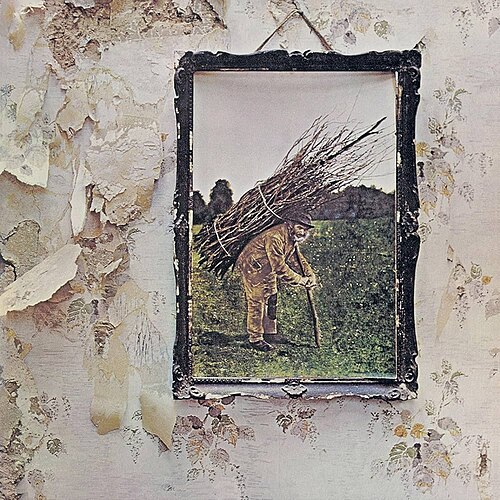
Led Zeppelin
Led Zeppelin IV
A hard-rock landmark with no title on its original sleeve and almost no limits inside it. Crushing riffs, acoustic mystery, blues and the slow-burning architecture of “Stairway to Heaven” made the album both massive and strangely timeless.
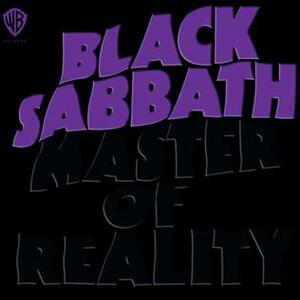
Black Sabbath
Master of Reality
Short, low and impossibly influential. Sabbath’s third album makes down-tuned weight feel physical, while “Children of the Grave,” “Lord of This World” and “Into the Void” plant the seeds of doom, stoner metal, sludge and much more.
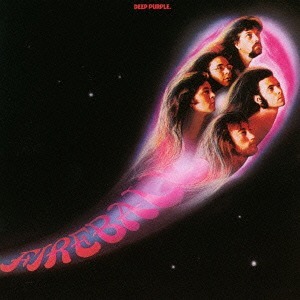
Deep Purple
Fireball
Restless and underrated, Fireball refuses to repeat In Rock. Its title track accelerates hard rock toward metal, while “Demon’s Eye” and “Fools” give the Mark II lineup room to explore groove, atmosphere and long-form tension.
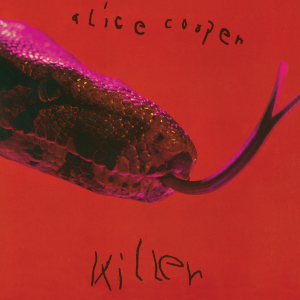
Alice Cooper
Killer
The Alice Cooper band joins sharp songwriting to gallows humour and genuine danger. “Under My Wheels,” “Desperado” and “Halo of Flies” balance garage-rock attack, progressive ambition and the theatrical darkness that would transform arena shows.
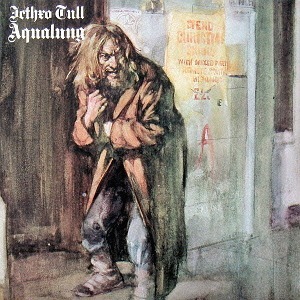
Jethro Tull
Aqualung
Aqualung moves between hard-rock force, acoustic intimacy and Ian Anderson’s sharply observed writing. Martin Barre’s riff on the title track is one of the era’s defining guitar statements, while the album’s contrasts gave progressive heavy music greater emotional range.
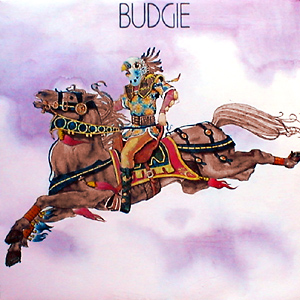
Budgie
Budgie
The Welsh trio’s debut is raw, eccentric and heavier than its modest reputation suggests. Burke Shelley’s high voice, Tony Bourge’s riffs and Ray Phillips’ restless drumming create a cult language later embraced by the metal underground.
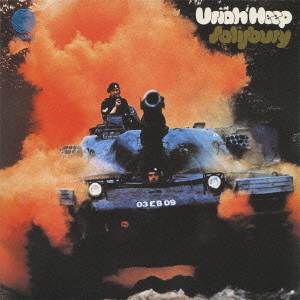
Uriah Heep
Salisbury
Heavy rock meets progressive scale, acoustic colour and a sixteen-minute title suite with orchestral weight. “Bird of Prey” supplies the immediate attack, led by David Byron’s dramatic vocal and Ken Hensley’s organ.
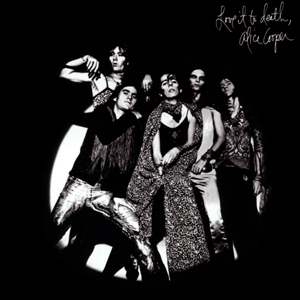
Alice Cooper
Love It to Death
“I’m Eighteen” gave adolescent alienation a perfect hard-rock anthem, but the album reaches further. Bob Ezrin’s production helped focus the band’s attack and turned its macabre stage imagination into songs strong enough to stand without the guillotine.
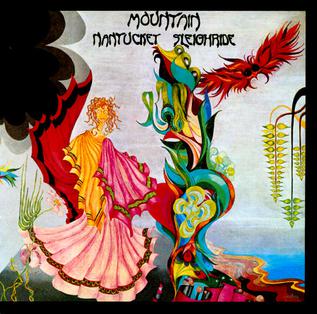
Mountain
Nantucket Sleighride
Mountain expands beyond “Mississippi Queen” without shrinking Leslie West’s tone. The title track is epic and mournful, while Felix Pappalardi’s production keeps the record balanced between American heaviness and melodic craft.
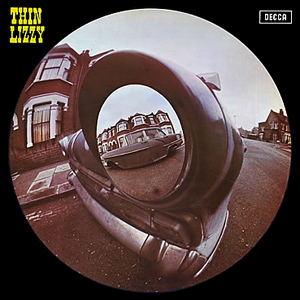
Thin Lizzy
Thin Lizzy
Before the twin-guitar attack that made them famous, Thin Lizzy’s debut introduced Phil Lynott’s voice, bass playing and instinct for vivid storytelling. Blues, folk and hard rock mingle in a raw opening chapter whose personality already belongs entirely to the band.
Uriah Heep — Look at Yourself · Leaf Hound — Growers of Mushroom · Atomic Rooster — In Hearing of Atomic Rooster · Nazareth — Nazareth
Three needles to drop
Defining songs of 1971
Led Zeppelin
“Stairway to Heaven”
Its patient climb from acoustic guitar and recorders to John Bonham’s entrance and Jimmy Page’s electric release became the model for the epic rock song. Familiarity has never erased the control, atmosphere or scale of the performance.
Black Sabbath
“Children of the Grave”
Bill Ward’s charging rhythm and Tony Iommi’s blunt, circular riff make the song feel like an early transmission from thrash, even as its anti-war message remains rooted in Sabbath’s own time.
Deep Purple
“Strange Kind of Woman”
Ritchie Blackmore’s wiry riff, Ian Gillan’s swaggering vocal and the band’s stop-start precision turn a blues-rooted story into a hard-rock staple. The studio version is compact; onstage, its guitar-and-vocal duel became legendary.
Reference shelf
Research notes
This chapter is original editorial writing cross-checked against official artist histories and discographies. The album and song rankings reflect The Metal Pit’s approved 1971 selections.