Volume XXXI · Heavy metal enters a new millennium
Chapter 01
The year in heavy music
Heavy metal entered the year 2000 in a state of extraordinary variety. Nu metal dominated radio and MTV, traditional metal legends reclaimed their places, and the extreme underground continued producing some of its most challenging music. After three decades of evolution, there was no longer one accepted definition of what heavy metal should sound like.
Iron Maiden began the new millennium with one of metal’s most important reunions. Bruce Dickinson and Adrian Smith had returned to the band in 1999, while Janick Gers remained to create Maiden’s first three-guitar lineup. Produced by Kevin Shirley, Brave New World balanced the band’s classic melodies with longer and increasingly progressive compositions. “The Wicker Man,” “Ghost of the Navigator,” “Blood Brothers” and the title track restored Maiden as a major international force.
Rob Halford made a similar return to traditional heavy metal with Resurrection. After experimenting with Fight and the industrial project 2wo, the Metal God embraced soaring vocals, twin guitars and unapologetic heavy-metal songwriting. The title track was a statement of purpose, while “The One You Love to Hate” united Halford with Iron Maiden singer Bruce Dickinson. The album helped prepare the way for Halford’s eventual reunion with Judas Priest.
Helloween moved in a darker direction on The Dark Ride. Produced by Roy Z and Charlie Bauerfeind, the record combined the band’s power-metal melodies with heavier guitar tones and a more serious atmosphere. “Mr. Torture,” “If I Could Fly” and the title track became fan favourites. It would be the final Helloween studio album featuring guitarist Roland Grapow and drummer Uli Kusch.
Nevermore’s Dead Heart in a Dead World combined progressive metal, thrash and traditional heavy metal with modern production from Andy Sneap. Jeff Loomis’s seven-string guitar work gave “Narcosynthesis,” “The River Dragon Has Come” and “The Heart Collector” enormous weight, while Warrel Dane delivered one of his strongest vocal performances.
The year also produced several important death-metal albums. Immolation’s Close to a World Below used dissonant guitar lines, shifting rhythms and suffocating atmosphere to create a record that would influence extreme metal for decades. Morbid Angel’s Gateways to Annihilation slowed the band’s attack into something darker and more crushing, with Steve Tucker’s vocals and bass driving songs such as “Summoning Redemption” and “He Who Sleeps.”
Poland’s Decapitated released its debut album, Winds of Creation. Despite the musicians’ young ages, the album displayed extraordinary technical skill and mature songwriting. Produced by Vader’s Piotr Wiwczarek, it established Decapitated as one of technical death metal’s most promising new bands.
Primordial expanded its mixture of black metal, Irish history and folk influence on Spirit the Earth Aflame. Alan Averill’s passionate voice and the band’s increasingly epic compositions moved Primordial beyond conventional black metal and toward the distinctive sound it would develop throughout the following decade.
Cradle of Filth reached a wider audience with Midian. “Her Ghost in the Fog,” “Cthulhu Dawn” and “Lord Abortion” combined gothic keyboards, extreme metal and elaborate horror imagery. Actor Doug Bradley, best known as Pinhead from Hellraiser, supplied narration and added another layer of theatrical darkness.
A new American movement was also taking shape. Formerly known as Burn the Priest, Lamb of God released its first album under its new name, New American Gospel. The production was raw, but songs such as “Black Label” revealed the groove, aggression and rhythmic precision that would soon make the band a leader of the New Wave of American Heavy Metal.
Outside the Top 10, Dio released the concept album Magica, Pantera delivered its final studio record, Reinventing the Steel, and Deftones expanded alternative metal with White Pony. Electric Wizard, In Flames, Children of Bodom, Nile, Linkin Park, Symphony X, Nightwish and Alice Cooper demonstrated how broad heavy music had become. The original archive closes in 2000, but the story of heavy metal was nowhere near finished.
From the Pit
Blake’s Take
It is difficult for me to choose one clear number-one album from 2000. I listened to Iron Maiden’s Brave New World, Halford’s Resurrection, Dio’s Magica, Helloween’s The Dark Ride and Cradle of Filth’s Midian quite a bit, but no single album really stands above all the others for me. Each one offered something different, from the return of classic heavy-metal voices to the darker and more extreme sounds that were becoming increasingly prominent.
On the archive wall
Four moments that mattered
Filed under: returning legends and a new generation of heavy music.
May 29, 2000
Iron Maiden begins again
Brave New World reunites Bruce Dickinson and Adrian Smith with Iron Maiden while introducing the band’s powerful three-guitar lineup.
August 8, 2000
The Metal God is resurrected
Rob Halford returns to traditional heavy metal with Resurrection and joins Bruce Dickinson for “The One You Love to Hate.”
September 26, 2000
Lamb of God announces a new movement
New American Gospel introduces Lamb of God’s combination of groove, thrash, hardcore aggression and rhythmic precision.
November 7, 2000
Immolation reshapes death metal
Close to a World Below turns dissonance, technical complexity and oppressive atmosphere into a new language for extreme metal.
The essential records
Top 10 albums of 2000
The selected studio albums, ranked by historical importance, influence and lasting critical standing.
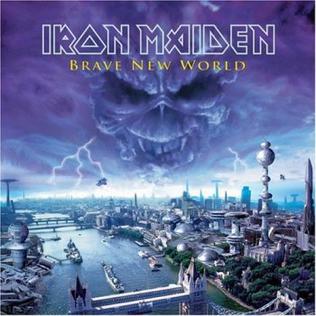
Iron Maiden
Brave New World
Bruce Dickinson and Adrian Smith return as Iron Maiden begins its three-guitar era. The album restores the band’s classic power while pointing toward a more progressive future.
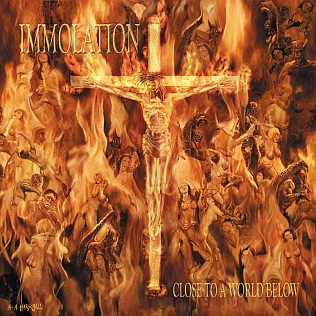
Immolation
Close to a World Below
Dissonant guitars, complex rhythms and a suffocating atmosphere produce one of death metal’s most creative and influential albums.
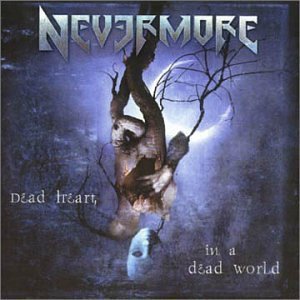
Nevermore
Dead Heart in a Dead World
Jeff Loomis’s seven-string guitar and Warrel Dane’s emotional voice meet Andy Sneap’s powerful production on Nevermore’s breakthrough album.
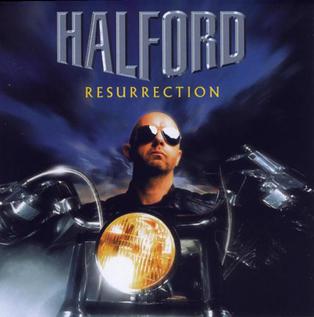
Halford
Resurrection
Rob Halford proudly returns to traditional heavy metal with soaring vocals, sharp twin guitars and a memorable duet with Bruce Dickinson.
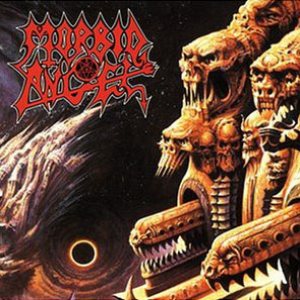
Morbid Angel
Gateways to Annihilation
Morbid Angel slows its attack and creates an oppressive wall of death metal built from crushing riffs, strange leads and Pete Sandoval’s drumming.
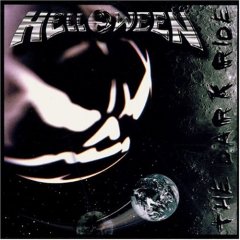
Helloween
The Dark Ride
Helloween’s melodic power metal takes on heavier guitars and a darker atmosphere. “Mr. Torture” and “If I Could Fly” become lasting fan favourites.
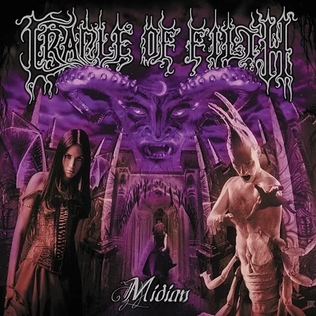
Cradle of Filth
Midian
Gothic keyboards, extreme-metal aggression and elaborate horror imagery produce one of Cradle of Filth’s most accessible and enduring albums.
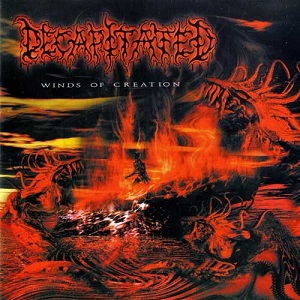
Decapitated
Winds of Creation
The young Polish musicians display remarkable precision, speed and songwriting maturity on a debut that immediately establishes Decapitated in technical death metal.
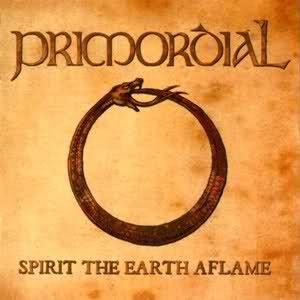
Primordial
Spirit the Earth Aflame
Black metal, Irish history and folk influence combine in increasingly epic compositions that move Primordial toward its unmistakable mature sound.
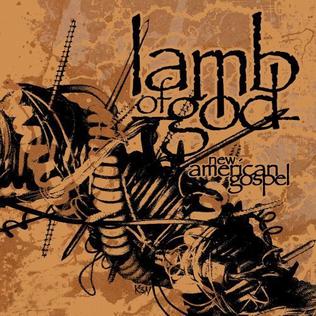
Lamb of God
New American Gospel
Raw production cannot hide the precision and aggression of Lamb of God’s first album under its new name. “Black Label” becomes an early signature song.
Dio — Magica · Deftones — White Pony · Electric Wizard — Dopethrone · In Flames — Clayman · Children of Bodom — Follow the Reaper · Nile — Black Seeds of Vengeance · Pantera — Reinventing the Steel · Linkin Park — Hybrid Theory · Symphony X — V: The New Mythology Suite · Nightwish — Wishmaster · Alice Cooper — Brutal Planet · Vader — Litany · Dark Tranquillity — Haven · The Haunted — Made Me Do It
Three needles to drop
Defining songs of 2000
Iron Maiden
“The Wicker Man”
Adrian Smith’s opening riff and Bruce Dickinson’s unmistakable voice immediately announce that the reunited Iron Maiden has returned with purpose.
Halford
“Resurrection”
Rob Halford’s piercing scream and Roy Z’s driving guitars transform the title track into a proud declaration of the Metal God’s return.
Cradle of Filth
“Her Ghost in the Fog”
Gothic keyboards, extreme-metal drama and Doug Bradley’s narration create one of Cradle of Filth’s most recognizable and theatrical songs.
Reference shelf
Research notes
This chapter is original editorial writing cross-checked against artist discographies, release histories and retrospective critical assessments. The ranking considers historical importance, musical influence and critical standing, while Blake’s Take preserves the personal side of the archive.
End of volume
Thirty-one years. One evolving sound.
From the heavy foundations of 1970 to the fractured and fearless metal world of 2000, this archive follows three decades of riffs, reinvention and rebellion. Return to the main archive to explore any year again.