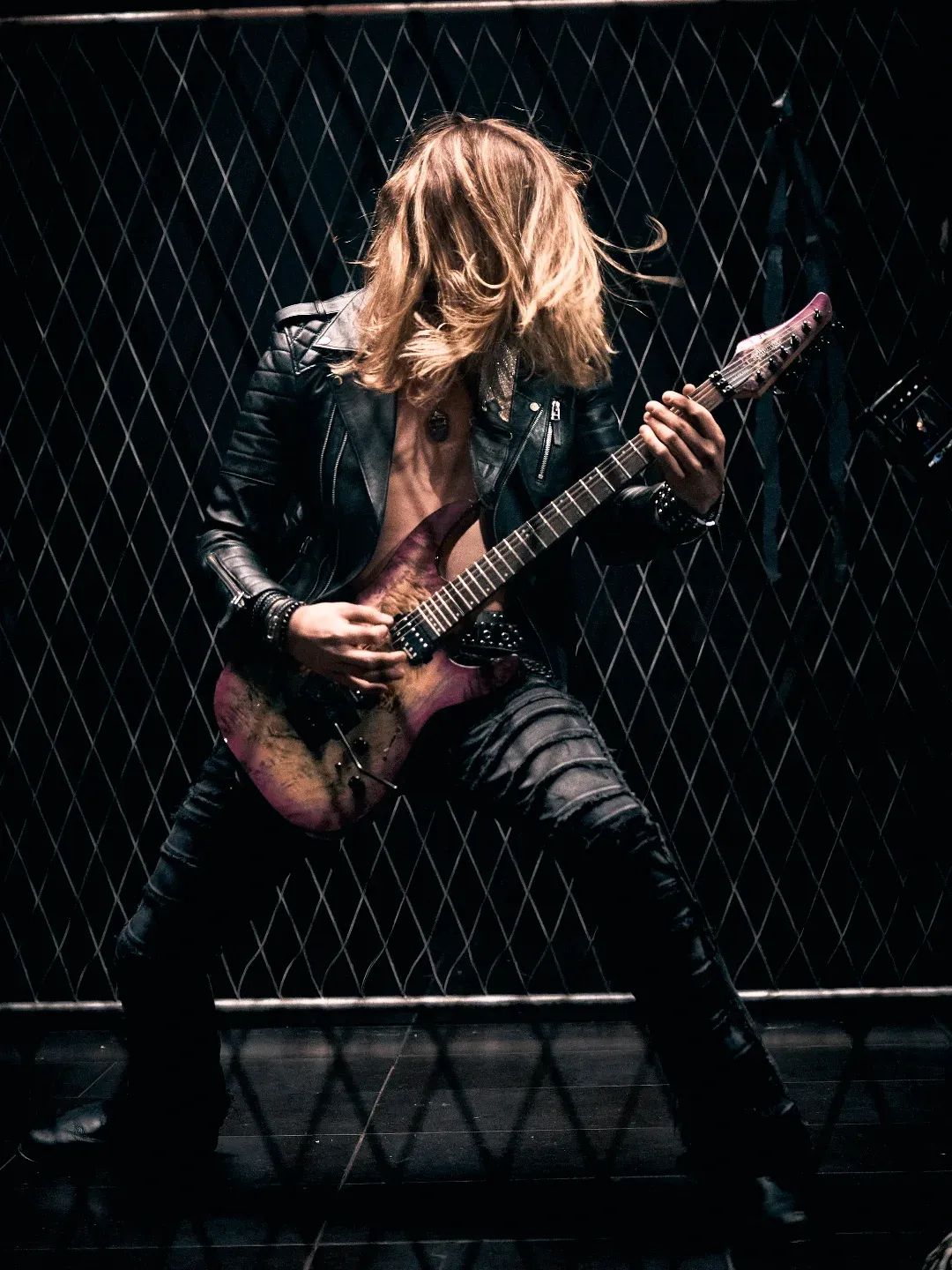
Interview With Ivan Keller
Jelusick Guitarist Talks Music, Touring and His Upcoming Solo Album
Ivan Keller is a Croatian guitarist best known for his work with Jelusick. Since his previous interview with The Metal Pit in 2023, the band has released Follow the Blind Man and Apolitical Ecstasy, toured throughout Europe, South America and Asia, and released the live DVD Live At Home.
In this new conversation, Ivan discusses Jelusick’s musical evolution, his creative relationship with Dino Jelusick, balancing technical guitar playing with melody, sharing the stage with legendary bands and the solo album he is currently recording.
Ivan, welcome back to The Metal Pit. When we last interviewed you, Jelusick was preparing to record its first album. How different does the band feel now compared with that period?
Hey, thanks! Well, I must say we have gained a lot of experience since then. Besides the European tours, the band toured in South America and Asia, the second album was released. The latest thing we released is a live DVD, Live At Home. A lot of steps up since the last time, so the band feels more experienced, grateful and ready for more.
After releasing Follow the Blind Man and then Apolitical Ecstasy, where do you feel Jelusick has made the greatest musical progression?
I think every album gives something different, but music-wise, I wouldn’t call it progress. It’s just a reflection of how we change as people, who we were influenced by and how we thought at that point.
Was there anything you learned while making Follow the Blind Man that directly changed the way you approached Apolitical Ecstasy?
The approach is always the same: “Do the best you can.”
How involved are you during the earliest stages of writing a Jelusick song? Do you usually receive a basic composition from Dino, or are the four members now building more material together?
Usually Dino puts the demo together, then we do our parts. Sometimes he starts from my idea, sometimes I come up with ideas when I hear the demo and then we compromise. But we are always in contact, sending each other stuff we have.
When Dino brings you a song, how do you determine whether it needs a technical guitar part, a melodic part or something more restrained?
I just feel it. I try a lot of stuff before I decide how I think it should be. Some songs are begging for technical stuff and some for melody. I’m just trying not to overdo it. It has to make sense in the end.
Which song on Apolitical Ecstasy best represents you as a guitarist, and what makes that performance particularly personal to you?
I think that “Power to the People” represents my heavy side. I was experimenting with something I didn’t hear before, so it makes it unique to me. And I would say “Fool in Rain” represents my other, “nicer” side.
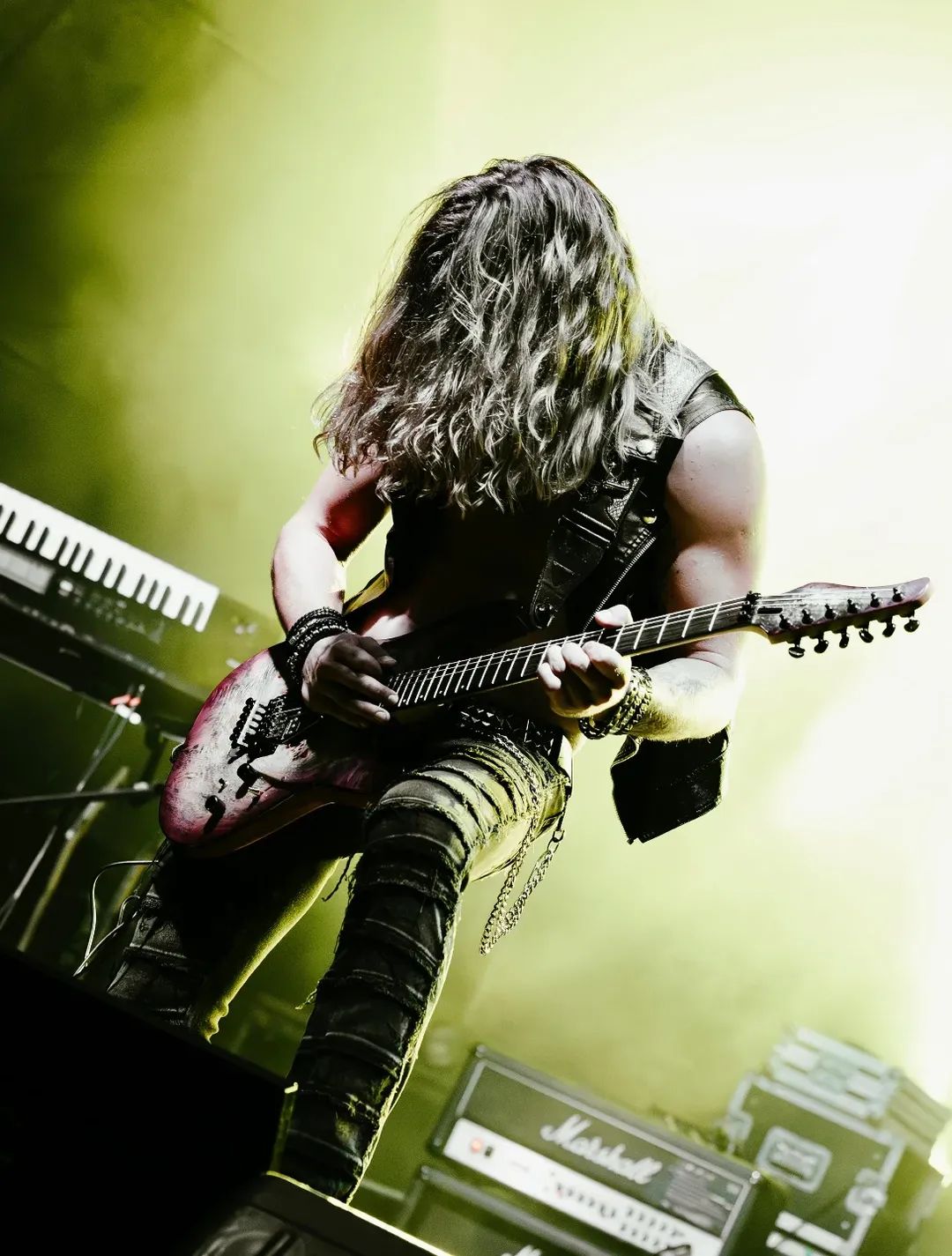
“Seasons” was reportedly written after most of the album had already been completed. What do you remember about putting your guitar parts together for that song?
Well, “Seasons” is a song with no room for a lot of stuff. It’s all about chords. The demo sounded similar to the final version; I just filled it with melodies. And I even overdid it—we didn’t leave everything I recorded. Sometimes less is more.
Jelusick moves between heavy metal, progressive rock, blues, grunge and classic hard rock. Does that variety give you freedom as a guitarist, or does it make finding a consistent guitar identity more challenging?
It is challenging for sure. But I always manage to find myself in every one of those styles because I love them. Sometimes I love to do something different. In “How Many Times,” after the heavy breakdown, I go to the solo with a slide, which isn’t very usual.
When recording a guitar solo, do you normally compose every section in advance, or do you leave room for improvisation and spontaneous ideas?
I love to take care of every part. I believe our music isn’t the kind of music where you want to improvise. It’s not like when you play Hendrix stuff, E minor, and just do whatever you want.
As a Canadian, I was surprised to see one of your influences was Bryan Adams. How did he influence you?
I wouldn’t say he influenced me a lot because I know just a few songs, which are his biggest hits. But I played two of his songs with my first band in primary school, and his concert was the first concert I ever went to.
Your playing can be highly technical, but Jelusick’s songs remain focused on melody and emotion. How do you prevent technical guitar playing from overpowering the song?
I just don’t think that shredding is all that matters. I have enough room for that, and I really don’t want more. I have to play it live, after all. And it’s not just about me—I have to be aware of the whole picture.
Dino is a vocalist, keyboardist and guitarist, as well as the band’s principal songwriter. What is the creative relationship like between the two of you when deciding where the guitar should sit within a song?
We usually define most of the parts while recording, so we have to be on the same page. Sometimes he gives me ideas; sometimes it is the other way around.
You have worked with Dino in several different bands and projects for more than a decade. What has kept that musical partnership productive for so long?
I believe it was our friendship before anything else. And we have similar visions for the music we create. Both of us are kind of normal, and we have never missed a gig in 10 years. People like that are hard to find these days, and that’s what makes it possible for us to work together.
Luka Broderick and Mario Lepoglavec form an extremely powerful rhythm section. How much do their bass and drum arrangements influence the riffs and lead parts you ultimately play?
Mario has left the band recently. The drums are what we get first, so the way he played them has an impact on what we are going to play afterward. Luka also came up with riffs for “Power to the People,” and then I “upgraded” his ideas. He also wrote some ideas we haven’t released yet.
Jelusick has now performed in European and Asian markets. Have you noticed meaningful differences in how audiences in various countries respond to the heavier, progressive and more melodic sides of the band?
Wherever we play, people are coming for the same thing. I must say I didn’t notice the difference.
You are working on a solo album. Please tell us more about this.
Yes! All the demos are done, and I am recording it now. It’s going to be a mix of everything—the album has no rules. But I must say that I’m more focused on melodies and heaviness than on shredding. Actually, there is only one shred song. I want it to be different. I think the time of the release is going to be next year.
Has extensive touring changed your guitar setup or encouraged you to simplify your equipment for reliability and consistency?
I am changing my gear and setups all the time. I guess you can never be 100% happy. And if we fly to the gig, I can’t take all the stuff I would take when we go with a van. So there are always two possibilities for me.
I see that Jelusick will be opening for Judas Priest at a few shows. You have played with many metal bands. Is there a favorite one you have shared the stage with?
That’s right. We are really looking forward to that. It’s hard to pick a favorite, but I really appreciate the opportunity to play with Iron Maiden, Black Label Society and Guns N’ Roses.
Thanks for your time.
Always, thank you!