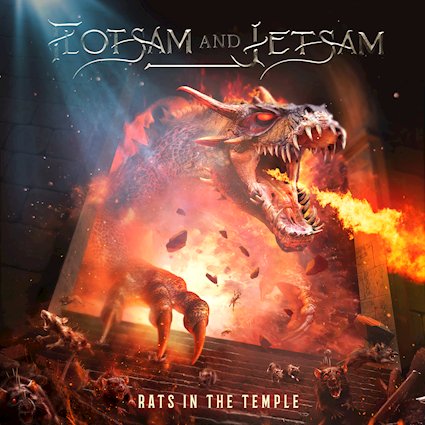
Flotsam and Jetsam
Rats in the Temple
Flotsam and Jetsam have spent forty years honing their stylistic edge: the collision of thrash aggression with power-metal grandeur. The early breakthroughs, Doomsday for the Deceiver (1986), No Place for Disgrace (1988) and Cuatro (1992), established them as innovators who could be both blisteringly fast and melodically ambitious.
Doomsday for the Deceiver landed as a major early thrash-metal classic, celebrated for its ambition, musicianship, and youthful intensity. Unusually high praise for a debut cemented its reputation, with many still viewing it as one of the era’s standout releases. The album’s frantic energy—high-range screams, NWOBHM undertones, and a Megadeth-like edge—defined its sound, and their 1987 support slot for Megadeth at London’s Hammersmith Odeon helped propel the band to a wider European audience.
After decades of touring and honing their craft, they’ve shifted from youthful boundary-pushers to seasoned masters, distilling their sound into something lean, precise, and unmistakably theirs. Their 16th studio album, Rats in the Temple, is the latest chapter. It reveals a band still progressing, still hungry, and still proving why they remain one of metal’s most enduring forces.
So how does the album unfold, and what’s changed since those raw early days? For one thing, you’ll need time to take it all in. This 13-track epic runs just shy of an hour, with no song breaking the five-minute mark. Yet it demands full attention from start to finish. Rats in the Temple weaves together a portrait of corruption, psychological erosion, and human darkness, using the “temple” as both a literal institution and a metaphor for the mind. The album’s imagery consistently points to fear, anger, trauma, and destructive thoughts. Some songs dig into raw subjects such as death, betrayal, abuse, war, and the relentless march of conflict. The result is a record that feels simultaneously furious and introspective, exploring how corruption festers in systems and in the self.
Harvesting the Hate features a majestic intro. There’s an urgency in the rhythm, and anger and rage in the vocal delivery. The song is a self-reckoning; it urges the listener to look in the mirror, identify the real source of their problems, and stop feeding the hatred that’s poisoning them before it resides unashamedly.
Damnation features a simple but sharp intro riff before a wall of bass and drums hits hard. Its lyrics describe a person facing the consequences of the darkness they’ve cultivated, with imagery of moral collapse, spiritual ruin, and inescapable inner judgment. Rather than external damnation, the song focuses on the idea that you damn yourself through denial, rage, or refusal to change. The only way out is to confront the truth you’ve been avoiding.
Absolution drives forward on a pounding, relentless rhythm. Short and sharp as tracks go, it sits well within the thematic framework of Rats in the Temple and represents the moment where the narrator stops running from their darkness and instead tries to atone, even if redemption feels impossible.
Blame the Knife continues the album’s thematic arc. It is about refusing to take responsibility for your own actions: the destructive habit of blaming the tool, the circumstance, or anything else instead of admitting the harm you’ve caused. It represents the moment where denial becomes self-delusion: the narrator keeps pointing at the “knife” as the culprit, even though they’re the one holding it. The lyrics are somewhat repetitive, and it’s a relief when the choppy, staccato beat is interrupted by a fluid guitar solo.
Rats in the Temple is the flagship track, with its symphonic intro and blistering pace. The song becomes a metaphor for mental occupation: the moment when your inner world is no longer yours, overtaken by the very fears and impulses you tried to suppress. The “temple” should be sacred but has become invaded by destructive thoughts and psychological corruption.
The Ghost Behind My Door focuses on the haunting persistence of memory: the way the past can shadow the present, shaping your behaviour even when you think you’ve moved on. It features what is possibly the best guitar solo of the album, erupting from nowhere and vanishing in a flourish, just like the band’s early material.
First on the Spike mixes things up with a monster down-tuned intro riff. The groove is carried throughout the track, which explores living in a state of constant threat: the feeling of being pinned, exposed, and under pressure from forces that want to break you. This leads into The Edge of Nowhere, and variety is injected with some up-tempo speed metal. It’s the turning point in the album where the theme shifts from psychological decay to defiance. Eric A.K. Knutson advises listeners to “feel strong when things get tough: dig your heels in, hold the line, speak your mind.”
A Taste for War finally brings some welcome melody and variation. It’s a portrait of how the violence of “dropping bombs and keeping score” becomes addictive: how conflict, once embraced, reshapes a person until war itself starts to feel like purpose.
Her Blood Your Pain visits domestic violence, suggesting that trauma or cruelty inflicted on someone else inevitably rebounds onto the perpetrator. Anthem for the Broken is the penultimate track, launching with a nice legato intro. It is a song for those who’ve been crushed by life’s weight. It shifts the album’s tone toward solidarity, endurance, and shared struggle. The final track, Going Down That Way, blends acoustic colour into a chugging rhythm. Its central declaration, “I won’t go down that way,” is the moment where Flotsam and Jetsam pull all the album’s threads together—corruption, trauma, defiance, and self-determination—and resolve them in a way that feels both bruised and triumphant.
While more variation in tempo or stylistic detours might have added breadth, the album’s precision and vocal command are flawless. The wild chaos and theatrics of the 1980s have matured into something more measured and regal. Rats in the Temple distils a descent into inner corruption and the hard fight to reclaim the mind from what’s been eating away at it.
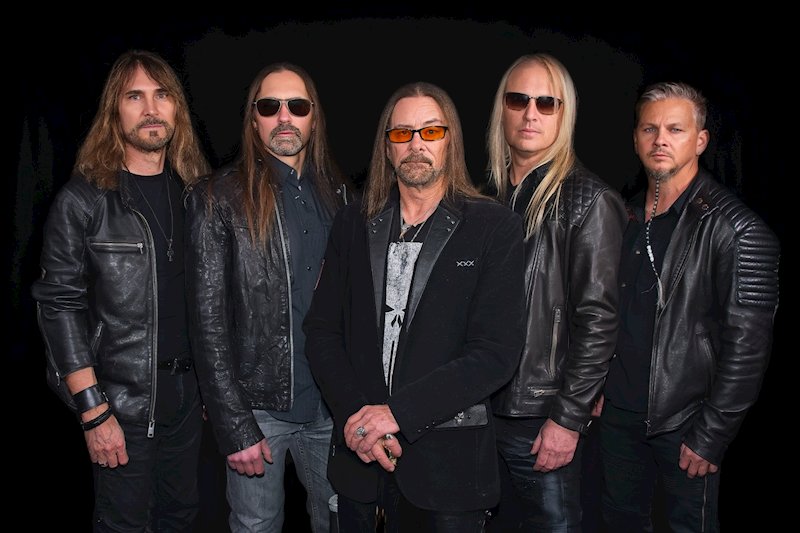
Band lineup
- Eric “AK” Knutson – Vocals
- Michael Gilbert – Guitars
- Steve Conley – Guitars
- Bill Bodily – Bass
- Ken K Mary – Drums