Volume XIV · Thrash strikes and metal conquers
Chapter 01
The year in heavy music
Heavy metal did not simply grow in 1983—it exploded. Underground musicians pushed the music toward thrash and speed metal while radio, MTV and major-label promotion carried hard rock into millions of homes. The year produced defining albums from established British bands, landmark debuts from young American groups and a remarkable collection of releases from Canada and continental Europe. Metal was no longer one movement. It was becoming an entire world.
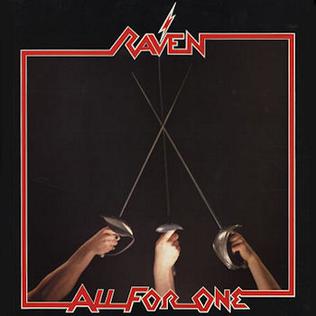
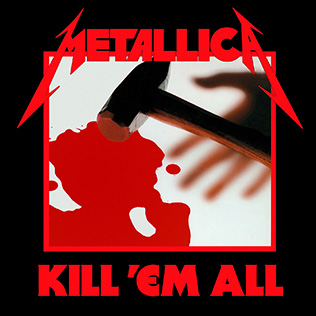
Metallica’s Kill ’Em All gave the emerging thrash scene its first full-length declaration. Recorded after Cliff Burton joined on bass and Kirk Hammett replaced Dave Mustaine on guitar, the album combined the speed of punk with the riffs and musicianship of the New Wave of British Heavy Metal. “Hit the Lights,” “The Four Horsemen,” “Whiplash” and “Seek & Destroy” established a new vocabulary for aggressive music. Metallica then toured America opening for Raven, whose All for One represented the athletic, high-speed British metal that helped inspire thrash in the first place.
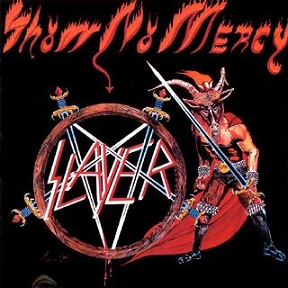
Slayer took the new movement somewhere darker on Show No Mercy. Recorded quickly for Metal Blade, the debut mixed the influence of Judas Priest, Iron Maiden and Venom with hardcore intensity. “The Antichrist,” “Die by the Sword” and “Black Magic” sounded more sinister than almost anything coming from Los Angeles. Canada contributed its own speed-metal attack through Exciter’s Heavy Metal Maniac, while former Metallica guitarist Dave Mustaine began assembling Megadeth.
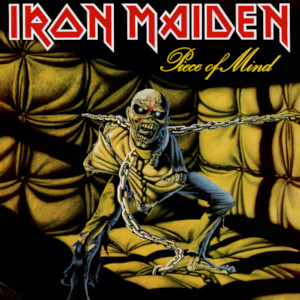
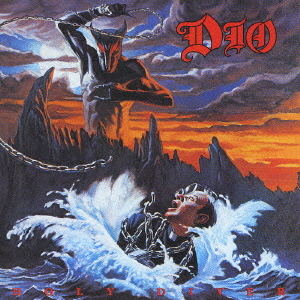
Iron Maiden proved that growth did not require compromise. Piece of Mind, the band’s first album with drummer Nicko McBrain, delivered “Where Eagles Dare,” “Revelations,” “Flight of Icarus” and “The Trooper.” Bruce Dickinson also made his first major songwriting contributions, expanding Maiden’s increasingly ambitious sound. Ronnie James Dio began another important chapter with Holy Diver. Joined by Vivian Campbell, Jimmy Bain and Vinny Appice, Dio created an enduring solo debut led by “Stand Up and Shout,” the title track and “Rainbow in the Dark.”
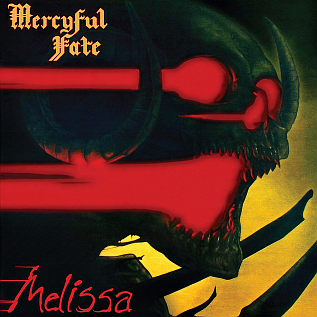
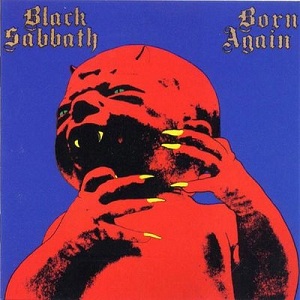
Black Sabbath entered one of its strangest eras by recruiting former Deep Purple singer Ian Gillan. Born Again divided listeners with its murky production, but “Trashed,” “Disturbing the Priest” and “Zero the Hero” gave the brief lineup a heavy identity of its own. Mercyful Fate’s Melissa brought King Diamond’s theatrical vocals and openly occult imagery to intricate twin-guitar metal, becoming a major influence on extreme metal.
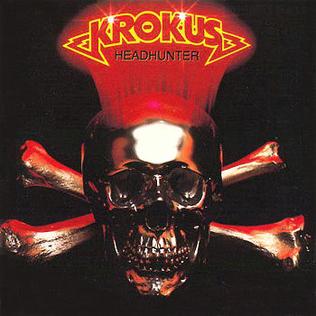
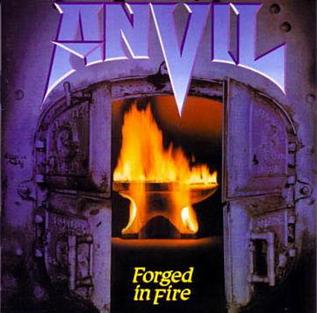
Europe and Canada supplied more essential records. Accept’s Balls to the Wall became the German band’s international breakthrough. Anvil followed Metal on Metal with the heavier Forged in Fire, and Switzerland’s Krokus reached its commercial peak with Headhunter. Beyond this Top 10, Def Leppard’s Pyromania became a phenomenon, Mötley Crüe defined the rising Los Angeles scene with Shout at the Devil, and Quiet Riot’s Metal Health became the first heavy-metal album to reach number one on the American album chart. By the end of 1983, metal had conquered both the underground and the mainstream—and there was no turning back.
From the Pit
Blake’s Take
So many great albums were released in 1983. My number-one choice would be Metallica’s Kill ’Em All, because it helped create the sound and identity of thrash metal. Slayer and Exciter also released great early thrash and speed-metal albums that year. One of my favourite singers of all time, Ian Gillan, appeared on Black Sabbath’s Born Again—and it is actually my favourite Sabbath album. I know: blasphemy! So many other records could easily have made this list. Ozzy Osbourne, Grim Reaper, Def Leppard, Quiet Riot, Girlschool, Rock Goddess and Saxon were among the artists that also released great albums. The depth of the music shows just how remarkable 1983 was for heavy metal.
On the archive wall
Four moments that mattered
Filed under: metal takes over.
May 16, 1983
Maiden returns stronger
Nicko McBrain makes his studio debut as Piece of Mind continues Iron Maiden’s ascent toward global domination.
May 1983
Dio begins a new kingdom
Holy Diver launches Ronnie James Dio’s solo band and gives metal another classic voice, image and catalogue.
July 25, 1983
Thrash reaches vinyl
Metallica releases Kill ’Em All, transforming an underground tape-trading movement into a recorded revolution.
November 1983
Metal reaches number one
Quiet Riot’s Metal Health tops the American album chart and opens the commercial gates for the decade ahead.
The essential records
Top 10 albums of 1983
The Metal Pit’s approved ranking.
Metallica
Kill ’Em All
Metallica’s debut fuses NWOBHM riffs, punk velocity and youthful aggression into thrash metal’s first great album. “The Four Horsemen,” “Whiplash,” “Metal Militia” and “Seek & Destroy” changed the direction of heavy music.
Iron Maiden
Piece of Mind
Nicko McBrain’s arrival completes Maiden’s classic lineup and gives “Where Eagles Dare” an unforgettable introduction. “Revelations,” “Flight of Icarus” and “The Trooper” make the record another cornerstone of the band’s first five albums.
Dio
Holy Diver
Ronnie James Dio emerges from Rainbow and Black Sabbath with a solo debut worthy of both legacies. Vivian Campbell’s guitar, Vinny Appice’s drums and Dio’s commanding voice power a remarkably consistent metal classic.
Slayer
Show No Mercy
Slayer’s debut is rawer, darker and more openly hostile than the growing Los Angeles metal scene around it. “Evil Has No Boundaries,” “The Antichrist,” “Die by the Sword” and “Black Magic” announce an extreme new force.
Black Sabbath
Born Again
Ian Gillan’s wild voice meets Tony Iommi’s colossal riffs on Sabbath’s strangest studio experiment. Its production remains controversial, but “Trashed,” “Disturbing the Priest” and “Zero the Hero” possess a wonderfully dark power.
Mercyful Fate
Melissa
King Diamond’s piercing vocals and the twin guitars of Hank Shermann and Michael Denner create a theatrical, intricate and genuinely sinister debut. “Evil,” “Curse of the Pharaohs” and “Satan’s Fall” influence generations of extreme bands.
Accept
Balls to the Wall
Accept turns a stomping title track into an international metal anthem. Udo Dirkschneider’s unmistakable rasp and Wolf Hoffmann’s melodic guitar work also drive “London Leatherboys,” “Head over Heels” and “Love Child.”
Anvil
Forged in Fire
Anvil slows parts of its attack without sacrificing power, producing a darker follow-up to Metal on Metal. The title track, “Free as the Wind,” “Motormount” and “Winged Assassins” strengthen the Canadian band’s early legacy.
Raven
All for One
Produced by Michael Wagener and Accept singer Udo Dirkschneider, Raven’s third album captures the Gallagher brothers’ self-described athletic rock at full force. Raven supported it by taking Metallica across America on the Kill ’Em All for One tour.
Krokus
Headhunter
Tom Allom gives the Swiss band its hardest and most focused production. “Eat the Rich,” “Screaming in the Night” and the title track carry Headhunter to Gold status in America, with Rob Halford adding backing vocals to “Ready to Burn.”
Exciter — Heavy Metal Maniac · Ozzy Osbourne — Bark at the Moon · Def Leppard — Pyromania · Quiet Riot — Metal Health · Grim Reaper — See You in Hell · Girlschool — Play Dirty · Rock Goddess — Rock Goddess · Saxon — Power & the Glory · Mötley Crüe — Shout at the Devil
Three needles to drop
Defining songs of 1983
Metallica
“Whiplash”
A burst of speed, down-picked rhythm and pure headbanging energy gives the young thrash movement an anthem. The song captures the excitement of Metallica’s earliest club shows and the physical reaction the new music demanded.
Iron Maiden
“The Trooper”
Steve Harris transforms the Charge of the Light Brigade into galloping bass, harmonized guitars and one of Bruce Dickinson’s defining performances. Eddie’s red-coated artwork became equally iconic.
Dio
“Holy Diver”
A mysterious atmospheric opening gives way to one of metal’s most recognizable riffs. Ronnie James Dio’s commanding vocal and symbolic lyrics establish the sound and fantasy-rich identity of his new band.
Reference shelf
Research notes
This chapter is original editorial writing cross-checked against official artist discographies, band histories and archival release information. The ranking, songs and personal reflections represent The Metal Pit’s approved 1983 selections.
Next in the archive
Metallica rides the lightning while Iron Maiden, Judas Priest and Dio deliver defining albums. Metal Church, Trouble and Ratt demonstrate just how many different directions heavy metal can take.