Volume XIII · The year metal changed everything
Chapter 01
The year in heavy music
Heavy metal reached a decisive turning point in 1982. The New Wave of British Heavy Metal was at full strength, established European bands were crossing into North America and a faster, darker underground was taking shape. The year produced major commercial breakthroughs without sacrificing the danger that had drawn listeners to the music in the first place. Metal was becoming bigger, but it was also dividing into exciting new forms.
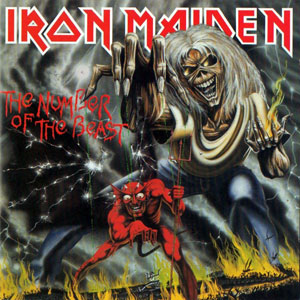
Iron Maiden led the charge with The Number of the Beast, its first album with Bruce Dickinson. His enormous range allowed Steve Harris’ writing to become more dramatic, melodic and ambitious. “Run to the Hills,” “The Number of the Beast” and “Hallowed Be Thy Name” helped the album reach number one in Britain and pushed Maiden toward international stardom. Its imagery also attracted protests in North America, giving the band exactly the sort of forbidden reputation that fascinated young metal fans.
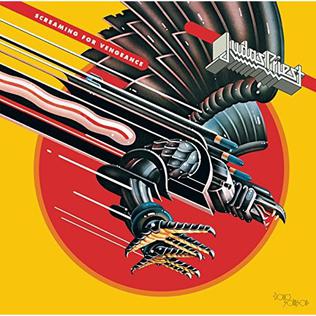
Judas Priest delivered its American breakthrough with Screaming for Vengeance. “The Hellion/Electric Eye” opened the record with futuristic menace, while “You’ve Got Another Thing Comin’” proved that uncompromising metal could earn widespread radio play. Germany supplied two more landmark records. Accept’s Restless and Wild raced from the startling opening of “Fast as a Shark” into the epic “Princess of the Dawn,” while Scorpions’ Blackout paired razor-edged guitars with the arena-sized hooks of “No One Like You.”
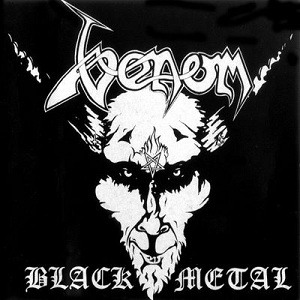
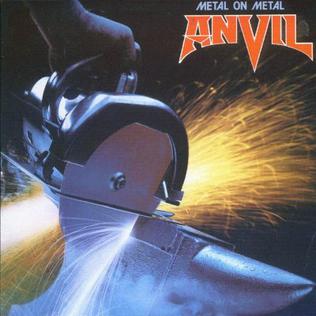
The underground was moving even faster. Venom’s second album, Black Metal, gave an emerging form of extreme music its name and influenced the thrash, death and black metal scenes that followed. In Toronto, Anvil’s Metal on Metal combined speed, power and a proudly Canadian lack of restraint. Tank’s Fast Eddie Clarke-produced debut, Filth Hounds of Hades, brought Motörhead-style force to the NWOBHM, while early Metallica demos and the band’s appearance on the first Metal Massacre compilation signalled that an American thrash movement was close behind.
Twisted Sister finally carried its hard-earned club reputation onto vinyl with Under the Blade. Produced by UFO bassist Pete Way, the debut was far rawer than the band’s later MTV hits. Girlschool remained one of Britain’s toughest working metal bands on Screaming Blue Murder, introducing bassist Gil Weston while keeping the group’s sharp attack intact. Canada’s Headpins brought Darby Mills’ powerhouse voice and Brian MacLeod’s guitar work to Turn It Loud, a hard-rock debut that became a major success at home.
The year also carried terrible loss. On March 19, guitarist Randy Rhoads died in a plane crash while touring with Ozzy Osbourne. His brief recorded legacy would influence generations of players. Elsewhere, Ronnie James Dio’s departure from Black Sabbath led toward the formation of Dio, and Motörhead lost guitarist “Fast” Eddie Clarke. Heavy metal entered 1982 as a growing subculture and left it as an international force—commercially powerful, creatively restless and ready for the thrash explosion waiting in 1983.
From the Pit
Blake’s Take
1982 was the year I got into heavy metal. On my 16th birthday, my brother gave me Iron Maiden’s The Number of the Beast. As soon as I put it on, I was hooked, and my life changed forever. I began listening to everything metal I could find and searching through magazines such as Hit Parader and Circus for new bands. That led me to Judas Priest, back to Maiden’s first two albums and onward to anything that looked or sounded heavy. It was also the year Canadian band Anvil released its second album, Metal on Metal, which I loved. Anvil is still going today, just as Iron Maiden and Judas Priest are. The Number of the Beast is unquestionably my number-one album of 1982. Nostalgia is certainly part of that choice, but I still love the record—and Maiden’s first five albums—to this day. This was the year my metal life truly began.
On the archive wall
Four moments that mattered
Filed under: the year of transformation.
March 19, 1982
Metal loses Randy Rhoads
The gifted Ozzy Osbourne guitarist dies at only 25, leaving behind two studio albums and an immeasurable influence.
March 22, 1982
The Beast is unleashed
Iron Maiden’s first album with Bruce Dickinson reaches number one in Britain and sends the band toward global stardom.
July 1982
Priest conquers America
Screaming for Vengeance and “You’ve Got Another Thing Comin’” carry British metal onto North American radio.
November 1, 1982
Black metal gets its name
Venom’s second album supplies an identity—and a visual language—for generations of extreme musicians.
The essential records
Top 10 albums of 1982
The Metal Pit’s ranking, with history and personal impact both turned up loud.
Iron Maiden
The Number of the Beast
Bruce Dickinson’s arrival gives Maiden the voice to match Steve Harris’ growing ambition. From “Run to the Hills” and the title track to “Hallowed Be Thy Name,” it is a defining metal album—and the record that began Blake’s lifelong journey into the genre.
Judas Priest
Screaming for Vengeance
Priest combines steel-plated precision with its most direct collection of songs. “The Hellion/Electric Eye,” “Riding on the Wind” and “You’ve Got Another Thing Comin’” turn the album into both a metal landmark and a North American breakthrough.
Venom
Black Metal
Venom turns noise, speed and occult theatre into a hugely influential underground statement. The title track, “Buried Alive,” “Raise the Dead” and “Countess Bathory” provide a rough blueprint for several forms of extreme metal.
Anvil
Metal on Metal
The Toronto band’s second album is loud, fast and entirely committed to its cause. “March of the Crabs,” “666” and the immortal title track made Anvil a vital early Canadian metal force and anticipated the speed-metal surge ahead.
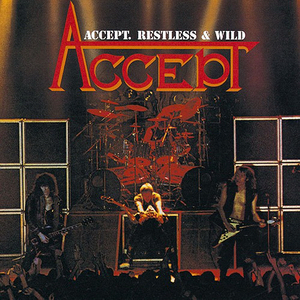
Accept
Restless and Wild
Accept pushes German metal forward with speed, muscle and Wolf Hoffmann’s melodic guitar work. “Fast as a Shark” is a startling early speed-metal attack, while the title track and “Princess of the Dawn” demonstrate the band’s range.
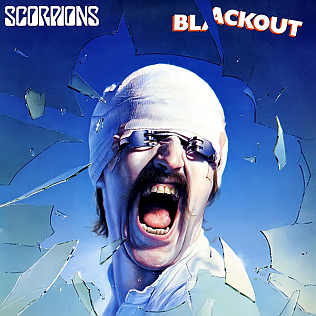
Scorpions
Blackout
Klaus Meine’s remarkable recovery from vocal-cord surgery leads to one of Scorpions’ strongest performances. The title track, “Dynamite” and the radio favourite “No One Like You” balance sharp metallic riffs with arena-rock immediacy.
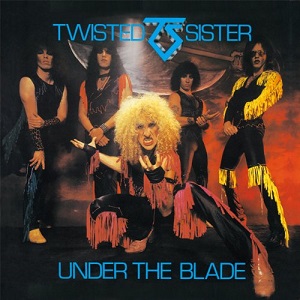
Twisted Sister
Under the Blade
Years of New York club work give Twisted Sister’s debut a hard, battle-tested edge. Pete Way’s production keeps “What You Don’t Know,” “Shoot ’Em Down” and the title track raw, heavy and far removed from the polished MTV era to come.
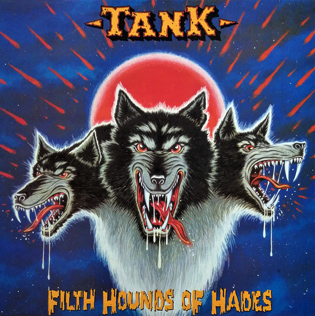
Tank
Filth Hounds of Hades
Produced by Motörhead guitarist “Fast” Eddie Clarke, Tank’s debut runs on bass distortion, speed and street-level aggression. “Shellshock,” “Struck by Lightning” and “Blood, Guts and Beer” make it a rugged NWOBHM favourite.
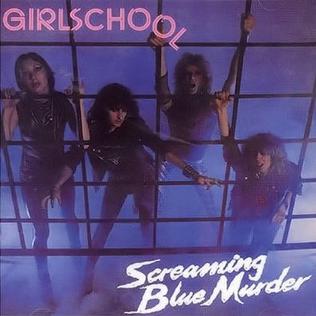
Girlschool
Screaming Blue Murder
With Gil Weston replacing Enid Williams on bass, Girlschool keeps its combination of hard-rock hooks and metallic bite intact. The title track, “Take It from Me” and “Don’t Call It Love” carry the band confidently into its third album.
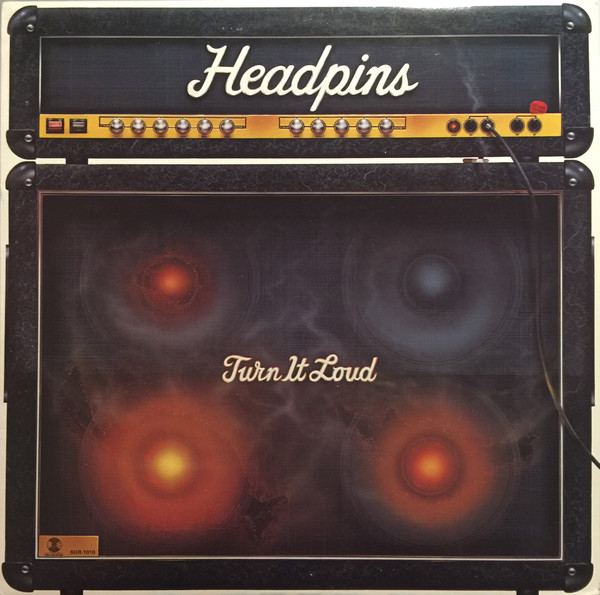
Headpins
Turn It Loud
Darby Mills’ commanding voice and Brian “Too Loud” MacLeod’s guitar make the Vancouver band’s debut a Canadian hard-rock staple. “Don’t It Make Ya Feel,” “Keep Walkin’ Away” and the title track helped the album become a major success at home.
Motörhead — Iron Fist · Manowar — Battle Hymns · Raven — Wiped Out · Michael Schenker Group — Assault Attack · Krokus — One Vice at a Time · Witchfinder General — Death Penalty
Three needles to drop
Defining songs of 1982
Iron Maiden
“Run to the Hills”
Clive Burr’s galloping drum introduction, Steve Harris’ driving bass and Bruce Dickinson’s soaring chorus announce Maiden’s new era in four unforgettable minutes. It became the band’s first UK Top 10 single.
Judas Priest
“You’ve Got Another Thing Comin’”
A steady groove, Glenn Tipton and K.K. Downing’s precise guitars and Rob Halford’s defiant vocal give metal one of its great statements of purpose. Its radio success helped Priest reach an enormous new audience.
Venom
“Black Metal”
A chainsaw recording effect and a command to “lay down your soul to the gods rock ’n’ roll” introduce a track whose title would name an entire genre. Its rawness became an inspiration rather than a limitation.
Reference shelf
Research notes
This chapter is original editorial writing cross-checked against official artist discographies, band histories and archival release information. The ranking and personal reflections represent The Metal Pit’s 1982 selections.
Next in the archive
1983: Thrash arrives
Metallica, Slayer and Exciter unleash landmark debuts while Iron Maiden, Dio, Mercyful Fate, Accept and Black Sabbath make 1983 one of heavy metal’s most important years.