Heavy metal did not arrive with a committee-approved definition. It emerged from a crowded field of blues rock, psychedelia and hard rock, then announced itself through a new combination of sound and feeling: down-tuned weight, ominous space, blunt repetition and riffs that seemed to carry their own gravity. In 1970, that combination became impossible to dismiss. The year did not simply produce a few unusually heavy records; it gave the developing genre a centre of gravity.
Black Sabbath were the decisive force. Their self-titled debut, released in the United Kingdom in February, preserved the tension of the band’s live set with very little decoration. The title track’s rain, bell and tritone created an atmosphere closer to horror cinema than the peace-and-love residue still attached to psychedelic rock. Only seven months later, Paranoid sharpened the idea. “War Pigs,” “Iron Man,” “Hand of Doom” and “Paranoid” turned war, technology, addiction and mental distress into massive, memorable songs. Sabbath sounded frightening, but never stiff: Bill Ward and Geezer Butler brought jazz movement beneath Tony Iommi’s monolithic guitar.
They were not alone. Deep Purple in Rock introduced the Mark II lineup as a precision heavy-rock machine. Ritchie Blackmore and Jon Lord treated guitar and distorted Hammond organ like competing lead weapons, while Ian Gillan expanded the vocabulary of the metal singer. Led Zeppelin III moved in another direction, placing “Immigrant Song” and electric blues beside acoustic arrangements. That contrast mattered. Heavy music could be dynamic and exploratory without surrendering its power.
Beyond the giants, a wider foundation was being poured. Uriah Heep’s debut combined organ, progressive structures and theatrical vocals. Mountain carried a huge guitar tone into American radio with “Mississippi Queen.” Atomic Rooster found darkness through keyboards, while Sir Lord Baltimore and Lucifer’s Friend pushed fuzz, speed and high-register singing toward sounds that later generations would call proto-metal. Free’s spacious groove demonstrated that heaviness could come from what a band left out as much as what it played.
The future was also assembling off-record. Queen formed in London around Freddie Mercury, Brian May and Roger Taylor, with John Deacon joining the following year. Aerosmith formed in Boston and began the long club apprenticeship that would lead to its 1973 debut. In Birmingham, guitarist K. K. Downing and bassist Ian Hill connected with singer Al Atkins, creating the early core of the band that would become Judas Priest. None had yet released the albums that made them metal institutions, but the next chapters were already moving into place.
By the end of 1970, the boundary between hard rock and heavy metal remained porous—and it should. Deep Purple, Zeppelin, Mountain and Free supplied crucial colours even when they did not fully belong to the new genre. Black Sabbath supplied the centre: a sound, mood and worldview that later doom, thrash, death, black, grunge and alternative metal bands could all recognize somewhere in their ancestry. The vocabulary was not complete, but the first true chapter had been written.
From the Pit
Blake’s Take
My introduction to Black Sabbath came while I was in high school, when one of the school’s janitors sold me a selection of albums he thought I might like. Among them was Sabbath’s self-titled debut. Other than hearing “Paranoid” on the radio, that album was my first real exposure to the band. I have never been a huge Black Sabbath fan, but I certainly recognize how important their first two albums were to the development of heavy metal. My own tastes have always leaned more toward Led Zeppelin and Deep Purple. The first four records in this year’s ranking are really the only albums from the list that I spent much time listening to, and my personal favourite from 1970 is Led Zeppelin III.
On the archive wall
Four moments that mattered
February
The first Black Sabbath album
A raw live-set document gives heavy metal its most widely accepted ground zero.
June
Deep Purple turns In Rock
The Mark II lineup makes speed, volume, organ and vocal extremity feel monumental.
September
Paranoid lands seven months later
Sabbath converts its frightening new language into songs with enormous reach.
New blood
Queen and Aerosmith form
Two future pillars begin on opposite sides of the Atlantic as the decade opens.
The essential records
Top 10 albums of 1970
The Metal Pit’s approved ranking, now filed with album artwork.
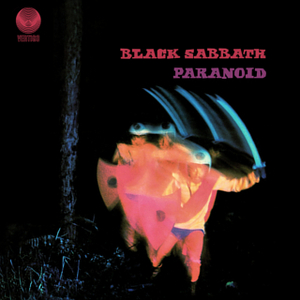
Black Sabbath
Paranoid
The complete early-metal blueprint: enormous riffs, anti-war dread, alienation and a rhythm section that could swing while sounding apocalyptic. “War Pigs,” “Iron Man” and the title track made darkness immediate, memorable and impossible for rock music to ignore.
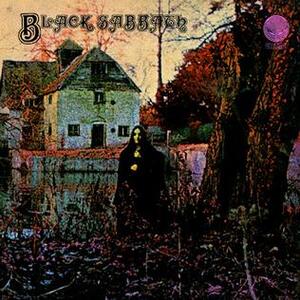
Black Sabbath
Black Sabbath
The rain, the bell and Tony Iommi’s tritone announced a new musical climate. Sabbath’s debut was still rooted in blues and live-room spontaneity, but its oppressive atmosphere and riff-first construction gave heavy metal its clearest point of origin.
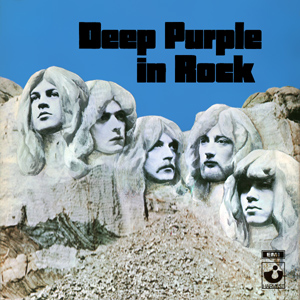
Deep Purple
Deep Purple in Rock
The Mark II lineup turned virtuosity into physical force. Ritchie Blackmore’s guitar, Jon Lord’s distorted organ, Ian Paice’s attack and Ian Gillan’s ceiling-shattering voice made “Speed King” and “Child in Time” foundational documents of heavy performance.
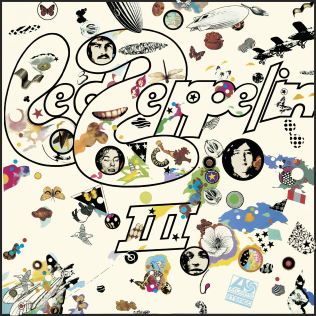
Led Zeppelin
Led Zeppelin III
Its acoustic turns expanded the emotional range of heavy music without dulling the impact of “Immigrant Song” or “Celebration Day.” The album proved that weight could live beside folk textures, open tunings and patient dynamics.
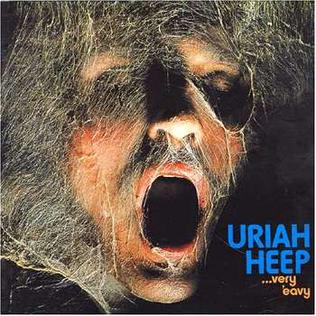
Uriah Heep
…Very ’Eavy …Very ’Umble
Uriah Heep’s debut fused thick guitar, Hammond organ, progressive ambition and David Byron’s dramatic vocals. “Gypsy” is the towering statement, while the album’s excess helped establish the grand, theatrical side of British heavy rock.
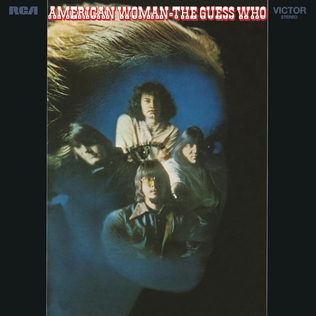
The Guess Who
American Woman
The Canadian band delivered a hard-rock landmark powered by Randy Bachman’s cutting guitar and Burton Cummings’ unmistakable voice. The title track, “No Sugar Tonight/New Mother Nature” and the album’s bluesy weight gave The Guess Who their heaviest and most enduring statement.
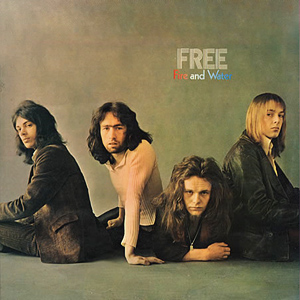
Free
Fire and Water
Free valued space as much as volume. Paul Kossoff’s economical guitar, Andy Fraser’s mobile bass and Paul Rodgers’ authority turned “All Right Now” into a standard while showing how restraint could make hard rock hit harder.
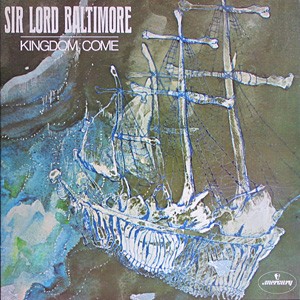
Sir Lord Baltimore
Kingdom Come
A frantic Brooklyn power trio pushing amplification into the red. The speed, fuzz and breathless drumming of “Master Heartache” and “Helium Head” make this cult debut an essential American proto-metal artifact.
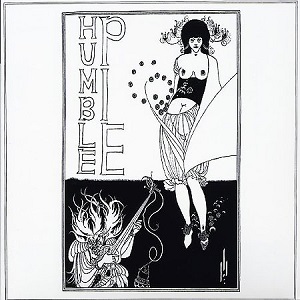
Humble Pie
Humble Pie
Humble Pie’s third album captured the band at a crossroads, balancing acoustic roots with the tougher electric attack that would soon define them. Steve Marriott and Peter Frampton brought grit, soul and contrasting guitar voices to a record that helped hard rock find its swagger.
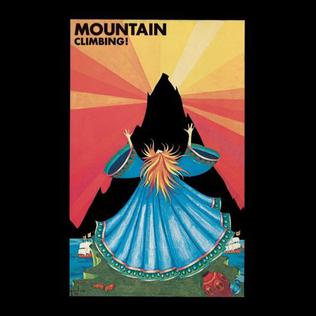
Mountain
Climbing!
Leslie West’s huge guitar tone and Felix Pappalardi’s production gave American heavy rock one of its defining records. “Mississippi Queen” remains the calling card, but the album’s muscular blues and melodic restraint made the heaviness travel.
Atomic Rooster — Death Walks Behind You · Lucifer’s Friend — Lucifer’s Friend · UFO — UFO 1 · Grand Funk Railroad — Closer to Home
Three needles to drop
Defining songs of 1970
Black Sabbath
“Black Sabbath”
A song that feels like a door closing behind the listener. The tritone riff, tolling bell and Ozzy Osbourne’s terrified narration separated genuine dread from the colourful occult flirtations of late-sixties rock.
Led Zeppelin
“Immigrant Song”
A charging riff, pounding rhythm and Robert Plant’s battle cry gave Led Zeppelin III an electrifying opening. Its compact force and Norse imagery made it one of the decade’s most recognizable heavy-rock anthems.
Deep Purple
“Child in Time”
A ten-minute rise from near-silence to controlled detonation. Ian Gillan’s escalating vocal and Ritchie Blackmore’s solo made dynamics—not just distortion—a weapon for generations of metal bands.
Reference shelf
Research notes
This chapter is original editorial writing cross-checked against official artist histories and discographies. The album and song rankings reflect The Metal Pit’s approved 1970 selections.