Volume XVII · Thrash reaches greatness
Chapter 01
The year in heavy music
Few years changed heavy metal as completely as 1986. Thrash moved from the underground into its first true golden age, producing several albums that still define the genre. Yet speed was only part of the story. Traditional metal embraced futuristic textures, doom found a powerful new voice, and scenes in Germany, Canada and across the United States proved that heavy music was expanding without losing its identity.
Metallica’s Master of Puppets stood at the centre of the year. Recorded again with Flemming Rasmussen at Sweet Silence Studios in Copenhagen, the album refined everything the band had attempted on Ride the Lightning. “Battery” exploded from an acoustic introduction, the title track joined precision riffing to an unforgettable middle section, and “Welcome Home (Sanitarium),” “Disposable Heroes” and “Orion” revealed remarkable range. The album reached a far larger audience while Metallica toured with Ozzy Osbourne, seemingly confirming that the band’s rise could not be stopped.
Then tragedy struck. On September 27, Metallica’s tour bus crashed in Sweden, killing bassist Cliff Burton at only 24. His musical knowledge, adventurous spirit and unmistakable playing had been central to the band’s development. Jason Newsted, previously heard on Flotsam and Jetsam’s excellent Doomsday for the Deceiver, was selected as his replacement later that year. Metallica continued, but metal lost one of its most gifted and influential musicians.
Slayer’s Reign in Blood compressed its attack into less than half an hour. Rick Rubin’s clear production allowed every riff and drum strike to land with frightening force, while “Angel of Death” and “Raining Blood” became permanent metal standards. Megadeth’s Peace Sells… but Who’s Buying? was more technical and politically sharp, driven by “Wake Up Dead,” “Devils Island” and the famous bass introduction to “Peace Sells.” Germany answered with Kreator’s savage Pleasure to Kill and Destruction’s increasingly accomplished Eternal Devastation.
Not every band chased maximum speed. Sweden’s Candlemass introduced epic doom metal with Epicus Doomicus Metallicus, combining enormous riffs with Johan Längqvist’s dramatic vocals. Iron Maiden used guitar synthesizers for the first time on Somewhere in Time, creating the futuristic atmosphere behind “Caught Somewhere in Time,” “Stranger in a Strange Land” and Adrian Smith’s enduring “Wasted Years.” Metal Church’s The Dark brought weight, melody and David Wayne’s towering voice to American heavy metal.
Canada remained deeply involved in the movement. Montreal’s Sword made an impressive debut with Metalized, while Voivod, Razor, Sacrifice and Anvil added very different records to the country’s growing metal catalogue. Beyond this Top 10, Dark Angel, Nuclear Assault, King Diamond, Fates Warning, Queensrÿche, Possessed and Motörhead all released important albums. The depth is staggering: 1986 was a year when metal’s classic sound, underground extremity and future possibilities all existed at once.
From the Pit
Blake’s Take
Master of Puppets is definitely my top pick for 1986. Peace Sells… but Who’s Buying? was another major album for me back then and remains one of the year’s strongest releases. I am a big Iron Maiden fan, but I rarely return to Somewhere in Time. Reign in Blood is the favourite Slayer album of many fans, but outside of two tracks, it is not an album I revisit very often. Even with those personal preferences, there is no denying how important all four albums were to metal in 1986.
On the archive wall
Four moments that mattered
Filed under: triumph and tragedy.
March 3, 1986
Metallica masters thrash
Master of Puppets combines speed, control, melody and ambition into the band’s first widely recognized masterpiece.
September 19, 1986
Megadeth breaks through
Peace Sells… but Who’s Buying? gives technical thrash a political voice and carries Megadeth into the international spotlight.
September 27, 1986
Cliff Burton is lost
Metallica’s bassist dies in a tour-bus crash in Sweden, ending a brief but enormously influential musical life.
October 7, 1986
Slayer changes the limit
Reign in Blood strips thrash to its most concentrated and merciless form, influencing generations of extreme bands.
The essential records
Top 10 albums of 1986
The Metal Pit’s studio-album ranking.
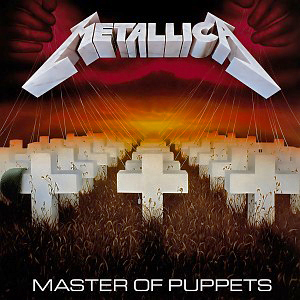
Metallica
Master of Puppets
Metallica perfects the balance between thrash aggression, melodic depth and ambitious arrangement. “Battery,” the title track, “Disposable Heroes,” “Orion” and “Damage, Inc.” make the album a towering achievement.
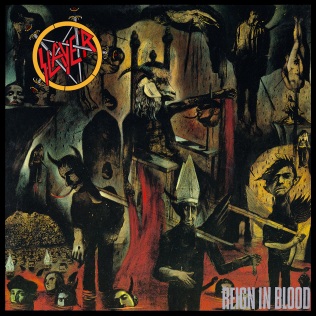
Slayer
Reign in Blood
Rick Rubin’s production gives Slayer’s attack unprecedented clarity and force. From “Angel of Death” to the storm that closes “Raining Blood,” its 29 minutes permanently change the limits of extreme metal.
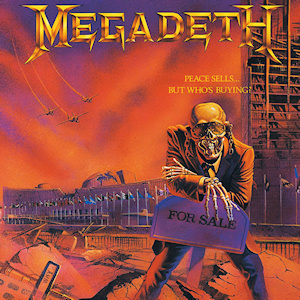
Megadeth
Peace Sells… but Who’s Buying?
Dave Mustaine turns technical precision, political distrust and dark humour into Megadeth’s first classic. “Wake Up Dead,” “The Conjuring,” “Devils Island” and “Peace Sells” establish the band’s identity.
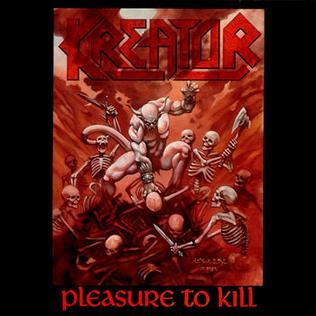
Kreator
Pleasure to Kill
Kreator’s second album is a raw eruption of speed and violence. “Ripping Corpse,” “Riot of Violence” and the title track make it a defining release in German thrash and an important influence on death metal.
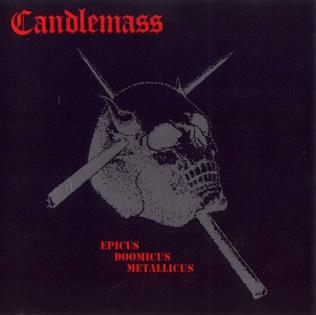
Candlemass
Epicus Doomicus Metallicus
Leif Edling’s massive riffs and Johan Längqvist’s dramatic vocals give doom metal a grand new language. “Solitude,” “Demon’s Gate” and “A Sorcerer’s Pledge” live up to the album’s monumental title.
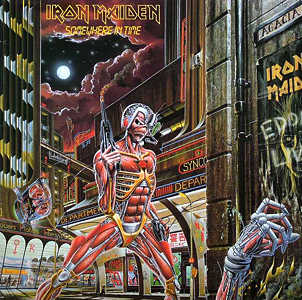
Iron Maiden
Somewhere in Time
Guitar synthesizers add a futuristic sheen without removing Maiden’s gallop or twin-guitar identity. “Wasted Years,” “Sea of Madness” and “Stranger in a Strange Land” highlight Adrian Smith’s growing influence.
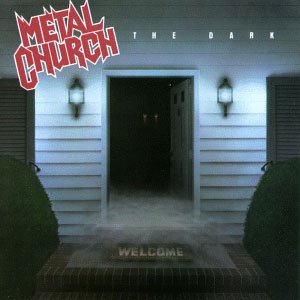
Metal Church
The Dark
Metal Church sharpens its mixture of traditional heavy metal and thrash. David Wayne’s commanding vocals drive “Ton of Bricks,” “Start the Fire,” “Watch the Children Pray” and the ominous title track.
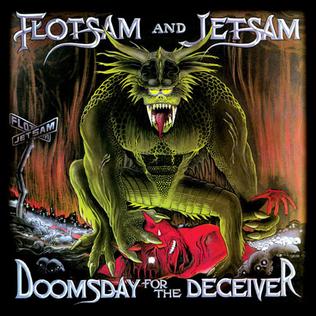
Flotsam and Jetsam
Doomsday for the Deceiver
An ambitious debut filled with speed, melody and lengthy arrangements. Eric A.K.’s high vocals and Cliff Burton’s future replacement Jason Newsted on bass give the Arizona band an unmistakable early sound.
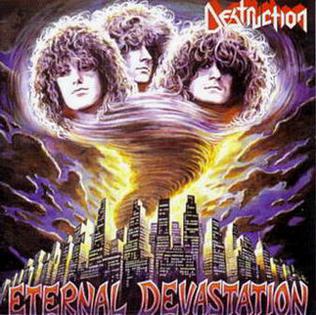
Destruction
Eternal Devastation
Destruction moves beyond the rawness of its debut with sharper musicianship and more involved songwriting. “Curse the Gods,” “Life Without Sense” and “Bestial Invasion” are German thrash essentials.
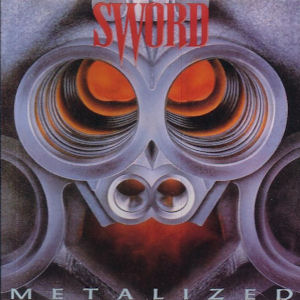
Sword
Metalized
The Montreal band arrives with muscular riffs, strong hooks and Rick Hughes’ soaring voice. “F.T.W.,” “Stoned Again” and “Outta Control” make Metalized a proud Canadian heavy-metal cult classic.
Dark Angel — Darkness Descends · King Diamond — Fatal Portrait · Nuclear Assault — Game Over · Fates Warning — Awaken the Guardian · Queensrÿche — Rage for Order · Possessed — Beyond the Gates · Motörhead — Orgasmatron · Razor — Malicious Intent · Voivod — Rrröööaaarrr · Sacrifice — Torment in Fire
Three needles to drop
Defining songs of 1986
Metallica
“Master of Puppets”
A towering arrangement about addiction and control, moving from relentless down-picked riffs to a melodic middle passage before returning with even greater force.
Slayer
“Raining Blood”
Thunder, a descending guitar figure and one of metal’s most recognizable riffs close Reign in Blood with four minutes of controlled chaos.
Iron Maiden
“Wasted Years”
Adrian Smith’s instantly recognizable guitar introduction carries a reflective anthem about appreciating the present rather than living in regret.
Reference shelf
Research notes
This chapter is original editorial writing cross-checked against official artist histories and discographies. The ranking, songs and personal reflections represent The Metal Pit’s approved 1986 selections.
Next in the archive
1987: Metal goes global
Anthrax brings thrash into the mosh pit while Guns N’ Roses transforms hard rock. Testament, Death, Helloween, Candlemass, Savatage and King Diamond demonstrate metal’s rapidly expanding international reach.