Contents
Sprinkle A Little Black Magic
Slayer was born in 1981, when Kerry King, Jeff Hanneman, Tom Araya, and Dave Lombardo decided that what the world really needed was a band that would sound like a chainsaw massacre set to music. Now, they didn’t start off thinking, “Hey, let’s scare the hell out of everyone!” but more like, “Hey, how fast can we play these riffs before our fingers catch fire?” Spoiler alert: pretty damn fast.
If there’s one band in the pantheon of heavy metal that seems to have been handpicked by Satan himself to carry the banner of evil, it’s Slayer. I mean, let’s face it, when your music makes nuns clutch their rosaries and parents lock their children in their rooms, you know you’re doing something right. And Slayer, my friends, have been doing that “something” for over three decades. So, let’s take a journey through the blood-soaked, riff-heavy history of one of the most influential and downright terrifying bands in the history of metal.
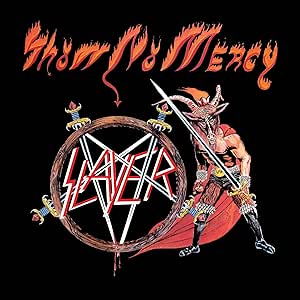
Their debut album, Show No Mercy, dropped in 1983 and was about as subtle as a sledgehammer to the face. It was raw, unfiltered, and filled with more satanic imagery than a goth teenager’s bedroom. With tracks like “The Antichrist” and “Black Magic,” Slayer weren’t just kicking down the doors of the metal world—they were bulldozing the whole damn house.
We Need Some Rain
Fast forward a few years to 1986, when Slayer unleashed Reign in Blood, an album so brutal that it made even the most hardcore metalheads question their life choices. Produced by Rick Rubin, this album is the musical equivalent of being strapped to a rocket and fired directly into Hell. It’s 29 minutes of relentless, unyielding fury, with the opening track “Angel of Death” setting the tone.
“Angel of Death” isn’t just a song; it’s a history lesson on Nazi war crimes set to the sound of your soul being crushed. The controversy it stirred up only made Slayer more infamous, which is probably exactly what they wanted. After all, when you’re already being accused of being Satan’s house band, why not lean into it?
And let’s not forget the title track, “Raining Blood.” The sheer intensity of the song is enough to make even the most devout Slayer fans question whether they should’ve worn an extra layer of deodorant. It’s the kind of song that, if played loudly enough, could probably summon a demon—or at least your angry neighbor telling you to turn it down.
It’s A War Ensemble
Following Reign in Blood was no easy task, but Slayer wasn’t about to let up. In 1988, they released South of Heaven, an album that slowed things down just a tad—not because they were getting soft, but because they realized they could be just as terrifying at a slightly slower pace. It’s like Freddy Krueger deciding to walk instead of run—he’s still going to get you, just with a little more style.
Tracks like “Mandatory Suicide” and “South of Heaven” showed that Slayer could blend groove with their trademark speed, creating a sound that was menacing, ominous, and still heavy enough to make your eardrums bleed.
Then came Seasons in the Abyss in 1990, which was like the perfect blend of their early ferocity and the slower, more deliberate pace they had developed. The title track “Seasons in the Abyss” is the perfect example of Slayer’s ability to create atmosphere—if by atmosphere you mean the soundtrack to the end of the world. And let’s not forget “War Ensemble,” a song so fast and aggressive that it could probably be used as a weapon in some countries.
Here comes The Pain Dittohead
By the mid-90s, grunge had taken over the music world, but Slayer was having none of that. They were still on their mission to be the most evil-sounding band on the planet, and with Divine Intervention in 1994, they proved they weren’t going anywhere. This album marked a turning point, with Paul Bostaph taking over the drums from Lombardo. While some fans were skeptical, Bostaph quickly proved he could keep up with the blistering pace that Slayer was known for.
Then came God Hates Us All in 2001, an album with a title so subtle it might as well have been written in blood. Released on September 11, 2001, it’s an album filled with rage, aggression, and lyrics that make you wonder if Tom Araya needs a hug. But Slayer wasn’t about hugs—they were about delivering fast, brutal, and unrelenting thrash that could incite a mosh pit in a retirement home.

Mandatory Slayercide
Slayer’s influence on metal can’t be overstated. They were one of the Big Four of thrash, alongside Metallica, Megadeth, and Anthrax, but they always seemed like the scary cousin who got invited to the family reunion out of obligation, even though you knew he was going to cause trouble. They took the thrash formula and pushed it to its limits, creating a sound that was as fast as it was ferocious.
Kerry King and Jeff Hanneman’s guitar work was a thing of nightmares—dissonant, chaotic, and with more whammy bar abuse than should be legally allowed. Tom Araya’s vocals were like the voice of Satan himself, and Dave Lombardo’s drumming was so fast and precise that it’s a wonder he didn’t combust spontaneously. Even with lineup changes over the years, Slayer never lost that core sound that made them so fearsome.
Cast The Last Stone
In 2018, Slayer announced they would be embarking on their final world tour, bringing to an end a career that had spanned nearly four decades. Fans were devastated, but there was also a sense of inevitability. After all, there are only so many riffs you can pull from the depths of Hell before the flames start licking at your feet.
The final Slayer show in November 2019 was a fitting end—loud, brutal, and filled with enough pyrotechnics to make a small country nervous. And as the final notes of “Angel of Death” rang out, it was clear that Slayer had cemented their place in metal history. They had come, they had seen, and they had thoroughly scared the crap out of everyone.
When The Stillness Comes
Even though Slayer has hung up their spikes and retired from the road, their music lives on. (There is 3 tour dates in September in the USA planned but not much talk about it lately.) Their influence is still felt in every corner of the metal world, from the blast beats of death metal to the snarling aggression of black metal. And let’s be honest, whenever someone plays “Raining Blood,” there’s a good chance that somewhere, somehow, a mosh pit is forming.
Slayer might be gone, but their legacy is eternal—just like the flames they so often sang about. So, here’s to Slayer, the band that made Satan smile, nuns faint, and metalheads everywhere bang their heads until their necks screamed for mercy. Long live Slayer, and may their music continue to terrify and thrill generations to come.
And remember, folks, if you ever find yourself in need of a soundtrack for a ritual sacrifice or just a really intense workout, Slayer has you covered. Just don’t blame me if the neighbors start throwing holy water over the fence.
***by Blake Mossey