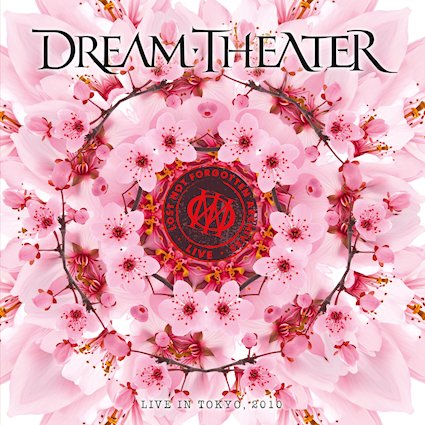
Dream Theater – Lost Not Forgotten Archives: Live In Tokyo, 2010
Dream Theater have always been one of those bands where a live release feels less like filler between studio albums and more like a time capsule. Lost Not Forgotten Archives: Live In Tokyo, 2010 captures the band during a fascinating moment in their history. Recorded at the Summer Sonic Festival in Japan, the performance would end up being drummer Mike Portnoy’s final show with the band before his eventual return in 2023. Looking back now, it gives this release a bit of added historical weight.
I’ve seen Dream Theater live roughly ten times over the years, and every time I’m reminded how unique their live dynamic really is. One thing I always found interesting early on was how James LaBrie would sometimes leave the stage during the longer instrumental sections or extended solos. For someone seeing them for the first time it might feel a little unusual, but with Dream Theater it makes perfect sense. These guys are masters of the extended musical journey, and the live setting allows Petrucci, Rudess, Myung, and Portnoy to stretch songs out and really showcase their musicianship.
The set begins with “A Nightmare to Remember” from Black Clouds & Silver Linings (2009). It’s a massive opener, clocking in at nearly sixteen minutes and showcasing the band’s signature blend of cinematic atmosphere, technical precision, and crushing riffs. Live, the song hits with even more intensity. Petrucci’s guitar tone cuts through perfectly while Jordan Rudess layers in those sweeping keyboard textures that give the song its epic feel.
Next up is “A Rite of Passage,” also from Black Clouds & Silver Linings. Compared to some of Dream Theater’s more complex compositions, this one leans into a more direct groove. The riff has a solid driving feel and works well in a festival environment, but it still leaves plenty of room for the band’s trademark instrumental interplay.
The band then dips back to Systematic Chaos (2007) for “Prophets of War.” The song brings a darker mood to the set, with Rudess adding dramatic keyboard layers over the rhythm section. It’s not always the first track fans think of when talking about Dream Theater’s live highlights, but it fits nicely here and gives the setlist a bit more depth.
Black Clouds & Silver Linings shows up again with “Wither.” Dream Theater may be known for technical epics, but this track shows their ability to pull things back and focus on melody. LaBrie delivers a strong vocal performance here, giving the set a brief emotional breather before things ramp up again.
The longest piece on the release is “The Count of Tuscany,” also from Black Clouds & Silver Linings. At over twenty minutes, this is classic Dream Theater storytelling. The song moves through multiple moods and musical themes, from softer passages to heavy riff-driven sections. Live, the band expands the instrumental sections even further, allowing Petrucci and Rudess to really shine.
For me though, as a longtime fan, the real highlight comes at the end with the closing medley of “Pull Me Under” and “Metropolis Pt. 1: The Miracle and the Sleeper.” Both tracks come from the legendary 1992 album Images and Words, the record that introduced many fans to the band in the first place.
“Pull Me Under” still sounds huge all these years later. That opening riff remains instantly recognizable and still hits hard in a live setting. Sliding into “Metropolis Pt. 1” is the perfect way to close the show. It’s vintage Dream Theater — complex, dramatic, and packed with incredible musicianship. For longtime fans, this finale medley alone makes the whole release worthwhile.
Overall, Lost Not Forgotten Archives: Live In Tokyo, 2010 isn’t meant to be a sprawling career overview. Instead, it’s a focused snapshot of Dream Theater during the late Portnoy era, with a setlist heavily featuring Black Clouds & Silver Linings while still acknowledging the band’s early breakthrough with Images and Words.
Hearing it now, knowing it marked the end of Portnoy’s original run with the band, adds another interesting layer. The band sounds tight, energetic, and completely locked in. There’s no sense of a group nearing a breaking point — just five musicians delivering exactly what fans expect from a Dream Theater live performance.
For longtime Dream Theater followers, this release is an easy recommendation. It captures an important moment in the band’s history and showcases the incredible musicianship that has defined their career for decades.