Rob Zombie – The Great Satan
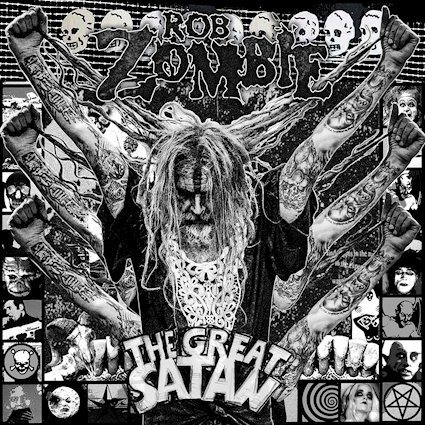
The shock-rocker returns with a raw, punk-leaning album that reconnects with his early Hell-Billy instincts. Rob Zombie will release his eighth studio album, The Great Satan, on February 27, 2026, via Nuclear Blast Records. The 15-track record follows 2021’s The Lunar Injection Kool Aid Eclipse Conspiracy and marks a recalibration toward the stripped-back aggression that defined his early solo work. The rollout has been anchored by the singles “Punks And Demons” and “Heathen Days,” both of which frame the album as a deliberate move away from polish and toward immediacy.
The timing of the album matters. The lineup brings together guitarist Mike Riggs and bassist Rob “Blasko” Nicholson, whose returns reestablish a familiar internal chemistry. Riggs’ presence reconnects the project to Zombie’s early-2000s period, when his music leaned harder into punk and industrial abrasion. Blasko’s rejoining restores a low-end anchor that prioritizes weight over ornament. Across the new material, that reunion is less about nostalgia than function. The songs are built to hit quickly and leave little room for excess.
“Punks And Demons” sets the tone with clipped riffs and chant-like vocal patterns that borrow from industrial metal without getting stuck in its formalities. The track frames conflict as a social condition rather than a personal grievance, sketching a world where antagonism becomes ritual. “Heathen Days” widens the scope, pushing the album’s core idea of moral outsiders into a broader critique of conformity. Rather than leaning on shock for its own sake, the writing treats transgression as a stance, a refusal to accept neat categories of virtue and vice.
Production choices reinforce the album’s blunt character. The guitars favor thick midrange over high-gloss sheen, while the drums are mixed for impact rather than space. The result is a record that feels intentionally compact, even when the arrangements grow dense. There is little interest in studio spectacle. The songs move with the momentum of live performances, where repetition becomes propulsion and texture matters more than precision.
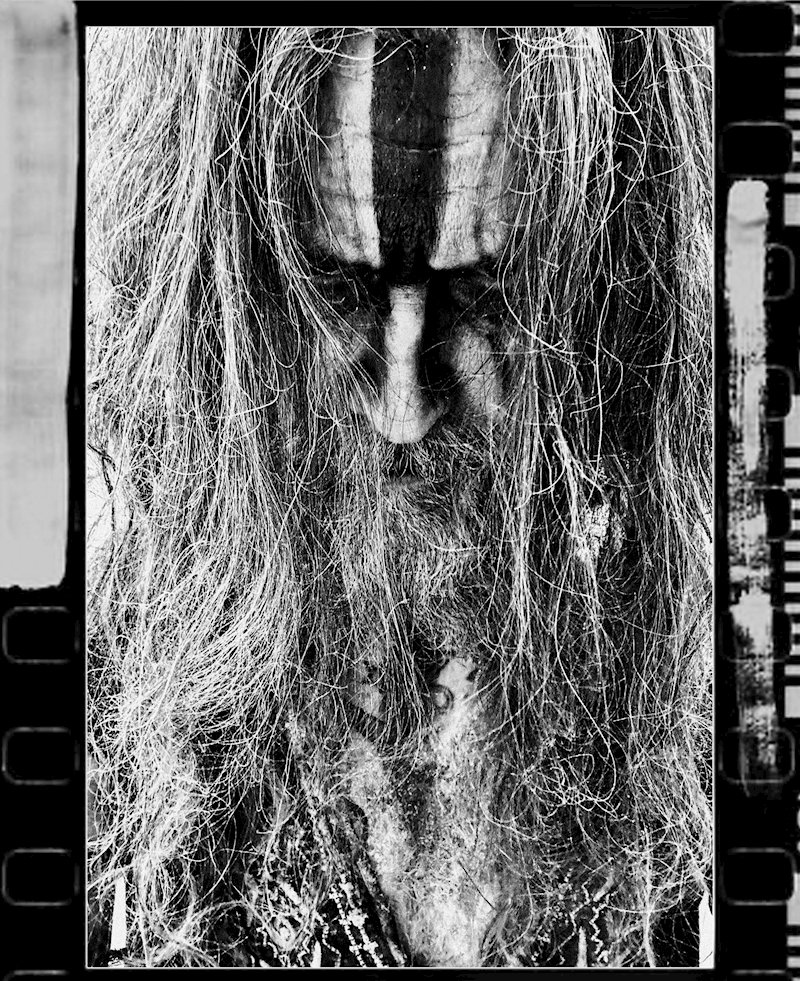
Zombie’s persona has always balanced camp with confrontation, and The Great Satan leans into that tension. The album title signals theatrical provocation, but the music itself is grounded in a practical sense of craft. The emphasis on short, direct structures suggests a desire to reconnect with the physicality of heavy music, the way it works on the body before it registers as image. Even when the themes drift toward caricature, the performances remain committed to clarity and force.
Placed within Rob Zombie’s broader catalog, The Great Satan reads as a course correction rather than a reinvention. The record does not chase contemporary trends, nor does it attempt to update his sound through novelty. Instead, it pares back to the elements that once made his solo work feel volatile: tight songs, abrasive tones, and a focus on rhythm as the primary driver. In that sense, the album positions Rob Zombie not as a revivalist of past excess, but as an artist choosing constraint as a way forward. Rob Zombie. Take a listen!
Tracklist:
- F.T.W. 84
- Tarantula
- (I’m a) Rock “N” Roller
- Heathen Days
- Who Am I?
- Black Rat Coffin
- Sir Lord Acid Wolfman
- Punks And Demons
- The Devilman
- Out Of Sight
- Revolution Motherfuckers
- Welcome To The Electric Age
- The Black Scorpion
- Unclean Animals
- Grave Discontent