Quadvium – Tetradōm
Review by: Chad Pab
Review Score: 9.5
[radio_player id=”1″]
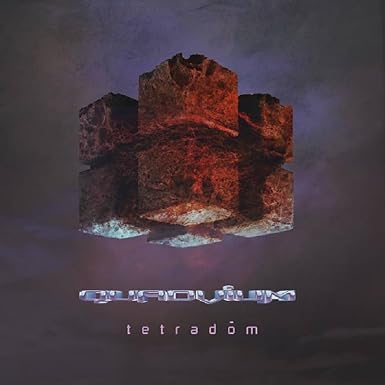
Is it just a coincidence that I’ve gotten back into playing Tetris since Tetradōm was released? The blocky album artwork suggests not. Just like the game, this album is built on carefully interlocking patterns, and an addictive sense of progression that keeps pulling you back for just one more round.
Interestingly, the album opens with guitar, which in itself is quite normal but when you consider that Quadvium has two bass players – Steve DiGiorgio (Death) and Jeroen Paul Thesseling (Obscura) it makes the guitar intro an interesting choice.
At just over 35 minutes, I initially felt a little short-changed. But after listening, it feels longer, not in a bad or dragging way, but in a way that you can appreciate like a line by line completion of Tetris. There’s a level of technicality here that you’d expect from this lineup, but Tetradōm goes beyond what I thought possible in both technicality and musical skill. I’ve had it on nearly every day since its release, and personally I found Tetradōm shines brightest in casual, background play. If you try to listen too intently, counting time signatures or deciphering bar by bar it could probably drive you into some kind of math-metal madness.
The basses are constantly interesting with slides, fills, and counter melodies yet it’s never overpowering. What’s impressive is how balanced the mix is. With two fretless basses, there’s a deep, low-end, not “heavy” in the distorted sense, but in terms of frequency. I reckon it would have been hard to mix and master Tetradōm for that reason, but things are sonically laid out in a way that makes it approachable between basses playing on different parts of the neck at the same time. Eve Smith’s (Myth of I) brings tasteful guitar playing that perfectly balances the low end of the bass with a combination of shred, chugs, and enough space for others to be highlighted as well.
Yuma van Eekelen’s drumming must play nearly every time signature known to man. He plays in common time signatures like 3/4 and 4/4, as well as more uncommon ones like 11/8 and 15/16 — and many in between.
One of the most ear-catching moments for me is the drop in “Sarab” — a catchy, earworm bass fill that stands out to me every listen. But it’s the closing track, “Eidolon,” that really cements this album for me. Upon my first listen it was the effect on the bass that caught my attention. To close both the track and album the final outro is a lone bass line trailing off that leaves just enough unresolved tension that I find myself looping the album again.
All this with a bit of piano for texture thrown in here and there makes Tetradōm by Quadvium not only one of the most creative releases of this year but one of the more standout instrumental albums I’ve heard.
Tetradōm track listing:
- Moksha
- Náströnd
- Apophis
- Ghardus
- Adhyasa
- Sarab
- Eidolon